
Training Periodization for Beginners: The Basics
Training periodization for beginners is simply organizing your workouts over time to keep progress steady. Without it, you hit walls and get bored.
Think of it like a roadmap: you know where you’re going and how to get there. Periodization prevents plateaus and reduces injury risk.
In this guide, you’ll learn three proven models. Each is easy to apply, even if you’re new to lifting.
By understanding the principles, you’ll create your own annual plan. This approach keeps motivation high and results consistent.
For any beginner, training periodization for beginners starts with picking one method and sticking with it. The key is consistency over perfection.
The Three Core Models
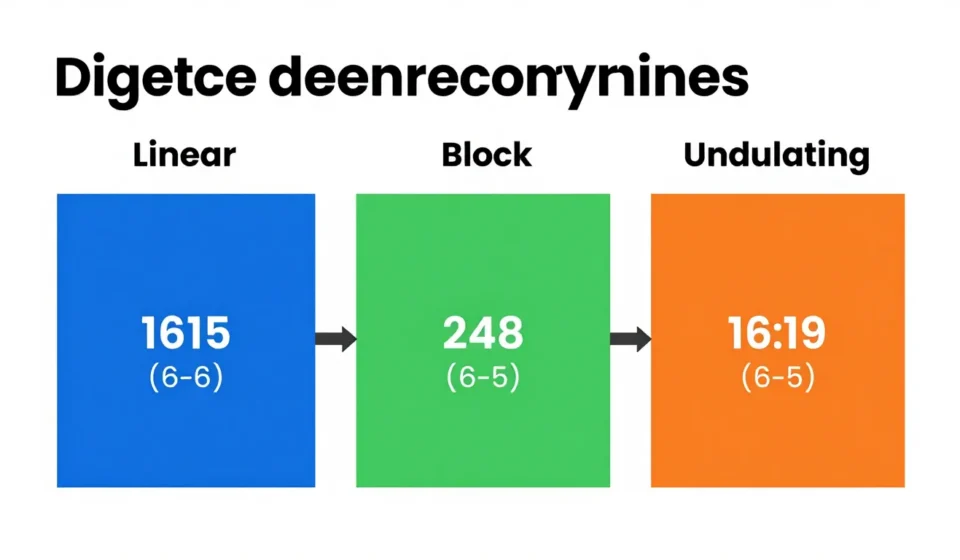
Linear Progression: The Simple Climb
Start with higher reps and lighter weight. Each week, increase weight and lower reps.
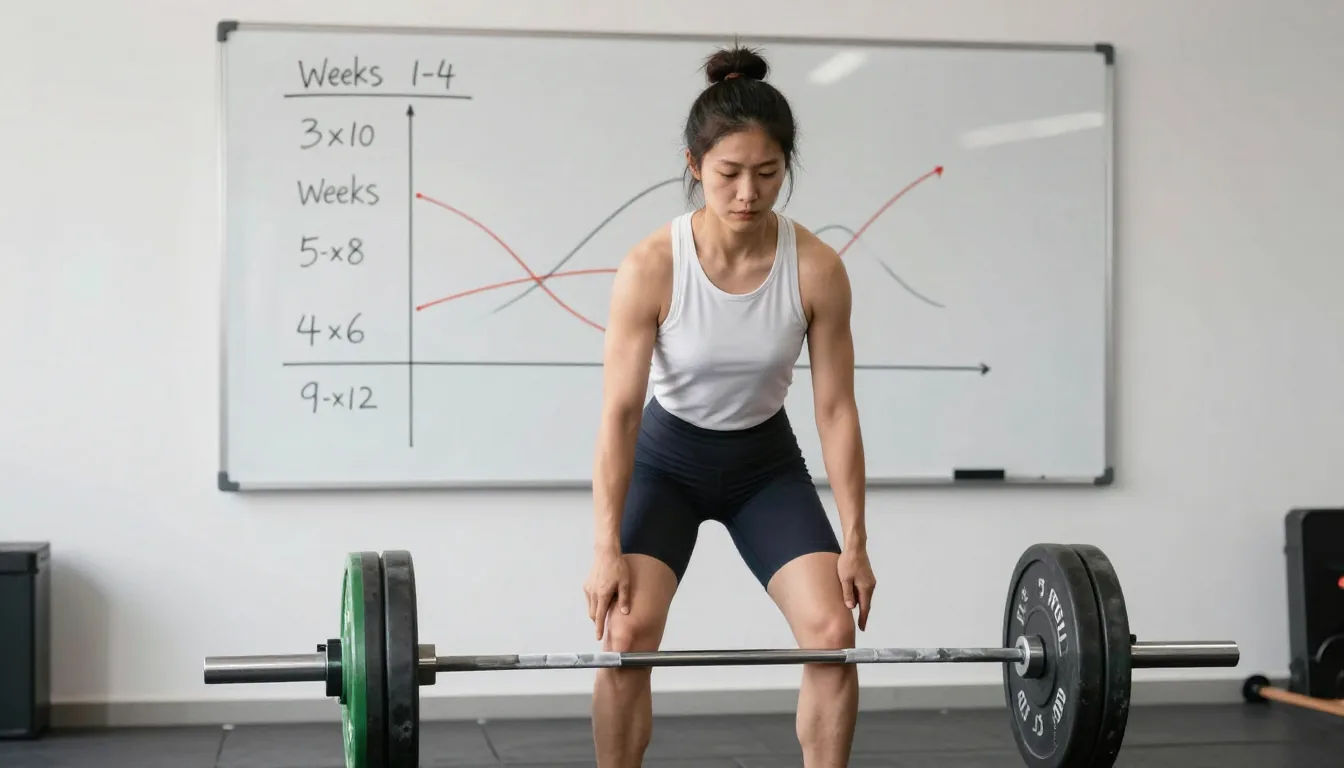
Example: Week 1–4: 3×10, Week 5–8: 4×6, Week 9–12: 5×3. This works great for novices because progress is obvious.
You can’t add weight forever, though. That’s when you need other strategies.
For a beginner, linear progression provides clear benchmarks. Track your lifts to know when to switch phases.
Block Training: Focused Phases
Train one quality for 3–6 weeks. First build muscle, then strength, then power.
Block 1: hypertrophy with 3–4 sets of 8–12 reps. Block 2: strength with 3–5 sets of 3–6 reps.
Block 3: explosiveness with jumps and throws.
Each block emphasizes one adaptation while maintaining others. This prevents burnout and lets you specialize.
Block training is ideal for athletes peaking for an event. For general fitness, it adds variety and keeps things interesting.
In training periodization for beginners, block training offers clear focus. You know exactly what to work on each phase.
Undulating Periodization: Flexible Mixing
Vary reps and intensity within the same week. Monday heavy, Wednesday moderate, Friday light.
Example: Squats: Monday 3×5 at 85%, Wednesday 4×8 at 75%, Friday 3×12 at 65%. This keeps your nervous system guessing.
It requires more planning but allows faster recovery between sessions. Daily undulating (DUP) or weekly undulating (WUP) both work.
For beginners, undulating can prevent boredom. It also teaches you to train at different intensities.
How to Build Your Training Year
Start with a macrocycle (one year). Divide into mesocycles (3–6 month blocks).
Then microcycles (weeks). For beginners, keep it simple.
Example: January–April: linear progression for base strength. May–August: block training for hypertrophy.
September–December: undulating for power.
Include deload weeks every 4–6 weeks. Reduce volume by 50% but keep intensity moderate.
You'll come back stronger.
Adjust based on your progress. If linear stalls, switch to undulating for a few weeks.
This flexibility is the key to sustainable gains.
Plan your year around your goals. If you’re training for a sport, align blocks with competition season.
Remember, training periodization for beginners doesn’t require perfect planning. It requires consistent adjustment as you learn what works.
Common Mistakes to Avoid
Changing too often. Stick with a model for 8–12 weeks. Your body needs time to adapt.
Ignoring recovery. Periodization manages fatigue. Sleep, nutrition, and stress are crucial.
Following a program blindly. Adjust based on progress. If linear stops working, switch to undulating.
Not tracking workouts. Log every session to see trends. Data guides your next move.
Overcomplicating training periodization for beginners. Start simple and add layers later. The best plan is the one you can follow consistently.
Neglecting deloads. Rest weeks help you absorb training. Without them, you risk injury and burnout.
For more structured approaches, check our Fitness & Sports archive. Dive deeper with NSCA’s program design guide, this study on periodization efficacy, or ACE Fitness beginner overview.
Now plan your year. Consistent, smart training beats random effort every time.