
Stop Ignoring Your Glutes: The Athletic Edge You’re Missing
Your glutes are the most powerful muscle group in your body, yet most men train them like an afterthought. A proper glute training frequency of twice per week can transform your squat, deadlift, and sprint speed. But with the right glute training frequency, you can maximize these benefits even further.
Strong glutes stabilize your pelvis, transfer force through your hips, and protect your lower back from injury. You need to treat them like a primary mover, not an accessory, and a smart glute training frequency is key.
The Science of Glute Training Frequency
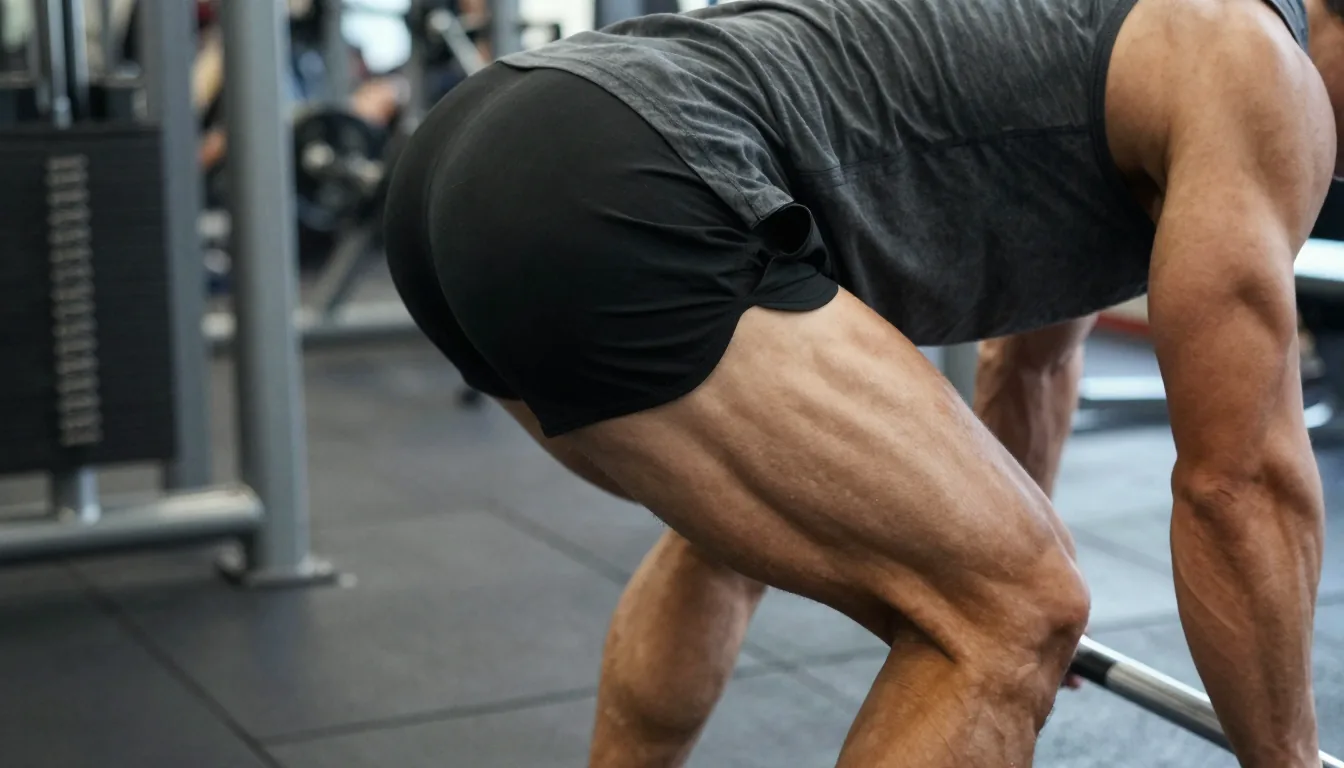
Research shows that each muscle group responds best to 10–20 hard sets per week, spread across 2–3 sessions. With glutes, hitting them twice ensures enough volume for hypertrophy without overtraining your CNS.
This glute training frequency keeps growth signals active while allowing recovery.
If you only train glutes once a week, you miss the second window of protein synthesis and motor unit recruitment. Twice a week keeps the growth signal active without causing excessive soreness that kills your next leg day.
Boost Your Athletic Performance
Every explosive movement—sprinting, jumping, changing direction—starts from the hip. Weak glutes force your hamstrings and lower back to compensate, leading to poor mechanics and injury. A consistent glute training frequency raises your vertical jump by up to 3 inches in 8 weeks, according to studies.
That’s a measurable edge in any sport.
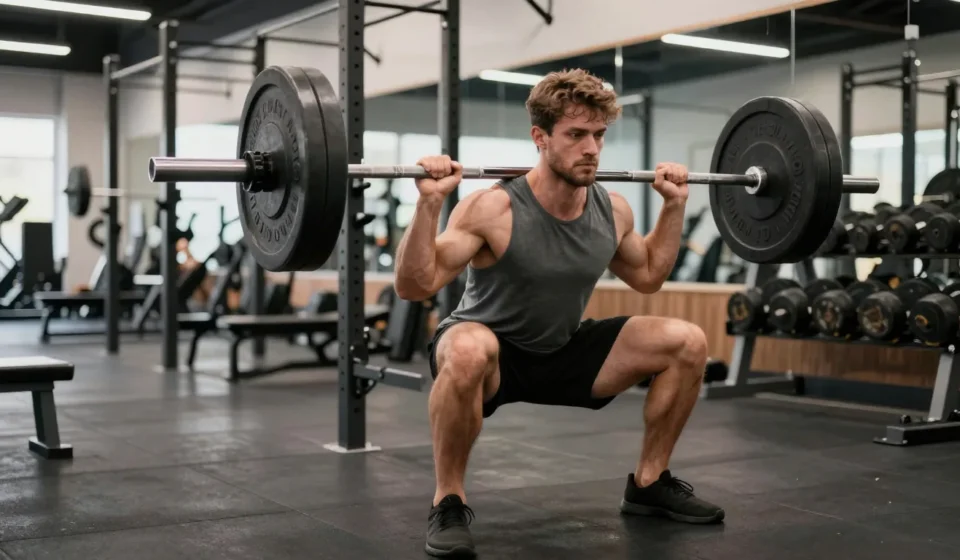
Your deadlift lockout and squat depth also depend on glute activation. If your hips shoot up first on deadlifts, weak glutes are the culprit.
Train them twice weekly, and you'll see your one-rep max climb faster than adding more bench sets ever will.
Injury Prevention: Protect Your Lower Back and Knees
Most low back pain stems from gluteal amnesia—your glutes stop firing, so your spine takes the load. Twice-weekly glute work corrects this imbalance.
Activate your glutes before every squat or deadlift session with banded walks or hip thrusts, and you'll instantly feel your back relax.
Knee valgus (caving in) during lunges or squats is another glute weakness sign. Strong glutes externally rotate your femurs, keeping your knees tracking over your toes. The right glute training frequency cuts knee injury risk by half, according to sports medicine data.
Aesthetic Payoff: Build a Balanced Physique
Let's be honest—a well-developed posterior chain looks good. Full glutes give you that athletic V-taper from behind, making your waist look smaller and your legs bigger.
It's not just for women; rounded glutes signal lower body power and physical capability.
Men who skip glute work often end up with flat, square-shaped backsides. The ideal glute training frequency reshapes your silhouette in 12 weeks.
You'll fill out your jeans and shorts better, and even your posture will improve as your pelvis tilts into a neutral position.
Your Twice-Weekly Glute Protocol
To implement an effective glute training frequency, follow this protocol.
Session A: Strength-Focused
- Barbell Hip Thrusts: 4 sets of 6–8 reps. Go heavy—this is your main glute builder.
- Romanian Deadlifts: 3 sets of 8–10 reps. Emphasise the stretch in your glutes and hams.
- Bulgarian Split Squats: 3 sets of 8–10 reps per leg. Use a deficit for full range of motion.
Session B: Hypertrophy and Activation
- KAS Glute Bridges: 3 sets of 12–15 reps. Keep tension constant; pulse at the top.
- Reverse Hypers: 3 sets of 12–15 reps. Great for lower back health too.
- Cable Pull-Throughs: 3 sets of 15–20 reps. Focus on the squeeze.
Pair these with your existing squat and deadlift variations. Total weekly glute volume should hit 12–18 working sets.
Scale up gradually—your glutes will adapt fast.
Common Mistakes to Avoid
Don't ego-lift on hip thrusts. Maintain proper form to get the most from your glute training frequency.
If your lower back arches excessively, stop, reset, and contract your abs before each rep.
Also, avoid adding glute work right before heavy squat or deadlift sessions—it’ll fatigue your hips and compromise your main lifts. Do it on separate days or after your big compound exercises.
Finally, don’t neglect your hamstrings and quads. Balanced leg development prevents imbalances that lead to injury. Your glute training frequency works best when paired with a full leg routine.
Final Reps
Twice a week isn't optional if you want real results. Mark your calendar and commit to that frequency for 8 weeks.
You'll squat deeper, run faster, and look better from every angle.
For more training strategies, check out our Fitness & Sports section. To dive deeper into glute biomechanics, read this systematic review on glute activation. And for practical programming advice, see this guide on glute training volume.