
The Problem with Crunches
Looking for a quick core workout that actually delivers? Most core workouts are a waste of time—you crunch until your neck hurts, but your midsection stays weak.
The issue? Crunches train spinal flexion, not stability.
Your abs are designed to prevent movement, not create it. Real core strength comes from anti-extension and anti-rotation exercises.
That's where this quick core workout excels.
Forget the gimmicks. The 10-minute routine you're about to learn targets your deep stabilizers.
It's time to train smart, not just hard.
What Makes a Quick Core Workout Effective?
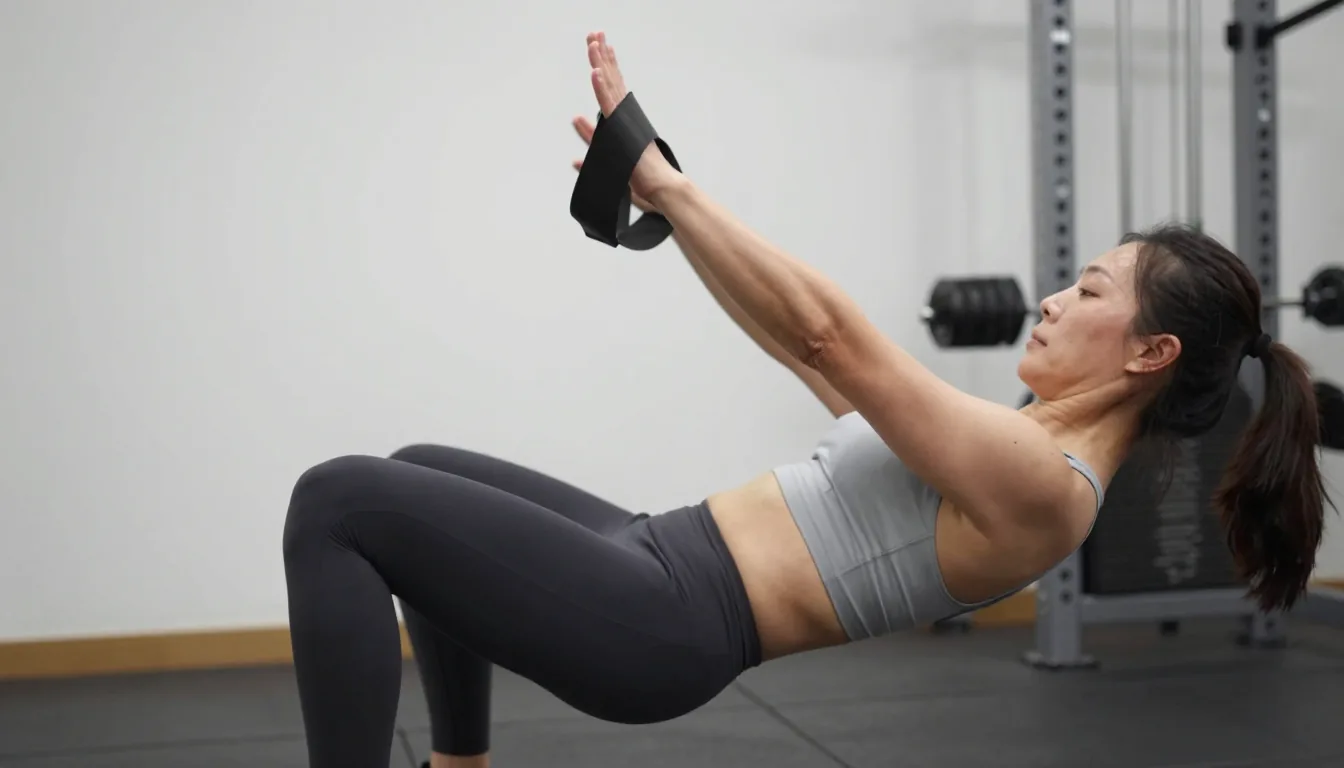
An effective quick core workout focuses on bracing and resisting forces. You'll hold positions that challenge your ability to stay rigid.
No twisting, no bending—just tension.
Research shows that anti-movement exercises activate the entire core complex. Your rectus abdominis, obliques, and transverse abdominis all fire together.
This builds functional strength that carries over to every lift.
You don't need 30 minutes. Three key moves done back-to-back will crush your core in a fraction of the time.
Ready?
Anti-Extension: The Plank and Beyond
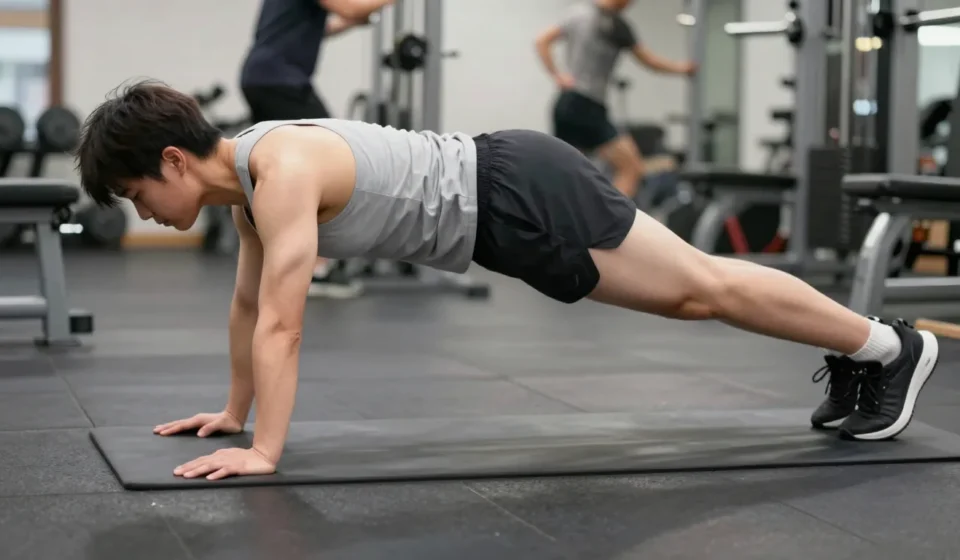
Start with a standard plank. But don't just hold it—brace your abs as if someone's about to punch you.
Squeeze your glutes and pull your ribcage down.
Hold for 45 seconds. Rest 15.
That's one set. Do three sets.
If that's too easy, shift to a side plank or add leg lifts.
The goal is to maintain a neutral spine under fatigue. Your hips should not sag or pike.
If they do, you're done.
Anti-Rotation: The Paloff Press
Attach a resistance band to a fixed point at chest height. Stand sideways to the anchor, holding the band with both hands at your sternum.
Press straight out without letting your torso rotate.
Hold the extended position for 2-3 seconds. Control the return.
Do 10 reps per side, then switch. Complete 3 sets on each side.
This exercise obliterates oblique weakness. It also teaches you to brace under asymmetry, a skill you need in squats and deadlifts.
The 10-Minute Protocol
Now, string it all together. You'll perform a circuit: plank (45 seconds), rest (15), Paloff press left (10 reps), Paloff press right (10 reps), rest (15).
That's one round.
Repeat for three rounds total. If you have time, add a fourth round of dead bugs.
Lie on your back, arms extended, knees at 90 degrees. Lower opposite arm and leg while keeping your lower back pressed into the floor.
That's it. Ten minutes, zero fluff.
Do this quick core workout three times a week, and you'll feel your foundation solidify. Your squats will feel tighter, your deadlifts more stable.
Incorporating this quick core workout into your routine will pay dividends in your overall strength. Your posture will improve, and you’ll move more efficiently.
Progressive Overload for Core
To keep gaining, increase the challenge over time. Add weight with a weighted vest during planks.
Extend the hold duration by 5 seconds each session.
You can also reduce rest periods. Cut from 15 seconds to 10.
The key is to maintain perfect form under increased demand.
According to a study on core stability, anti-movement training outperforms traditional crunches for functional strength (PubMed). Apply these principles consistently.
Common Mistakes to Avoid
Don't hold your breath. Keep breathing deeply while maintaining tension.
Another mistake: arching your lower back during planks.
Tuck your tailbone slightly to keep your spine neutral. Also, avoid rushing through reps on the Paloff press.
Control is everything.
For more efficient training principles, explore our Fitness & Sports section. And remember, consistency beats intensity. A quick core workout done regularly will outperform an hour of crunches every time.
For additional reading, check out this resource on anti-rotation training from Stronger by Science.