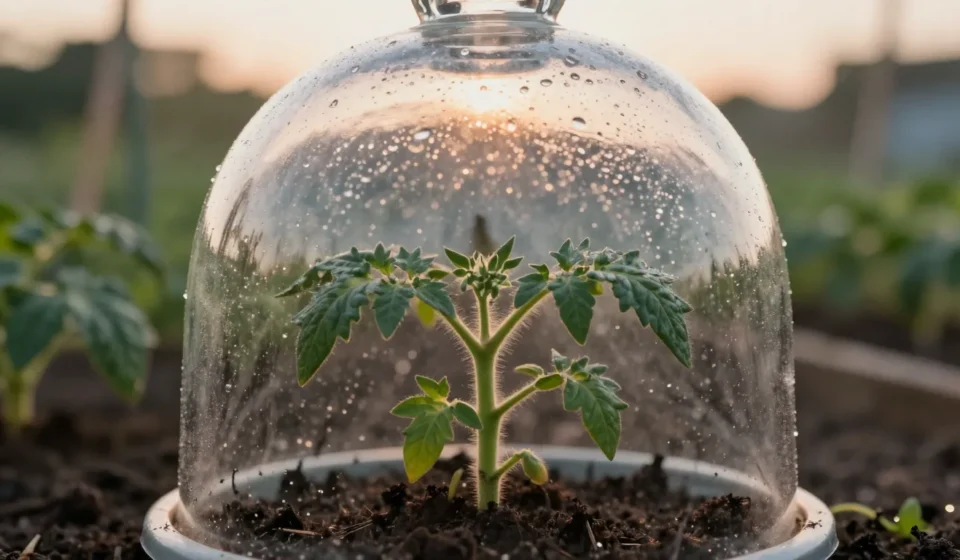

Why Choose Frost Protection Organic?
When temperatures drop, gardeners rush to cover tender plants. But plastic sheeting and styrofoam cones create waste and can trap excess moisture. Frost protection organic methods rely on natural materials that work with plant cycles and soil health.
From repurposed glass jars to thick straw blankets, these techniques are effective and eco-friendly. They also allow air circulation, reducing the risk of rot and fungal diseases.
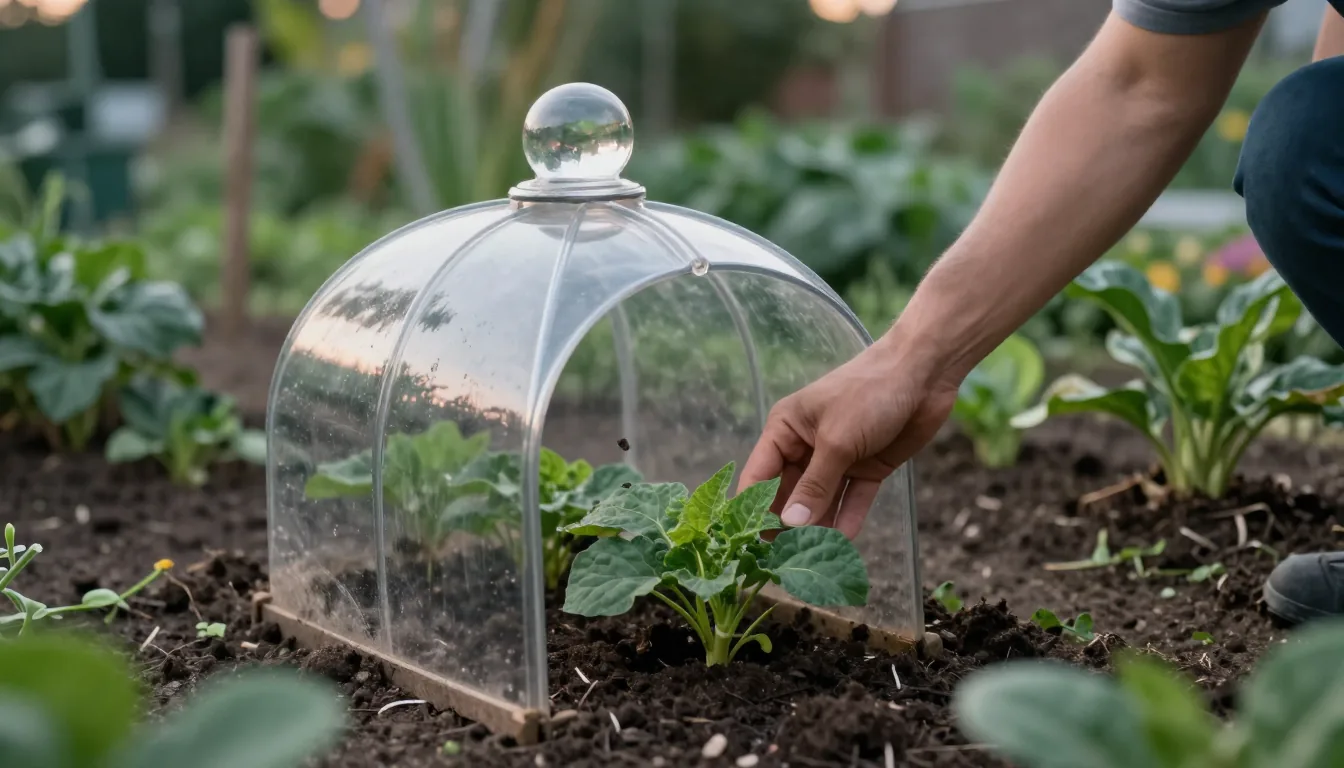
Cloches: Mini Greenhouses from Household Items
Cloches act as individual plant protectors. Use glass jars, plastic bottles with bottoms cut off (if you must re-use), or bell-shaped glass.
Place them over seedlings or small plants in the evening.
Remove cloches in the morning to prevent overheating. This simple method extends your growing season by several weeks in early spring.
Materials That Work Best
Clear glass jars create a miniature greenhouse effect. For larger plants, use cut-down 5-gallon buckets turned upside down with a small vent hole.
Avoid any material that may leach chemicals into the soil.
Organic gardeners often save glass milk bottles or large pickle jars for this purpose. They are reusable and biodegradable, fitting perfectly with frost protection organic principles.
Row Covers: Floating Fabric Blankets
Row covers made from lightweight agricultural fabric (such as row cover cloth) provide frost protection without plastic. Drape them directly over plants or use wire hoops to keep them elevated.
These fabrics allow light and water in while trapping heat. They are reusable year after year if handled gently, making them a key frost protection organic solution.
Securing the Covers
Use stones, soil, or wooden pegs to anchor the edges. Avoid synthetic netting that can tangle wildlife.
Organic options include cotton muslin or old bedsheets, which are breathable and effective.
For extra cold snaps, double-layer the fabric. The air gap between layers adds significant insulation, enhancing frost protection organic methods.
Mulch: The Gardener’s Winter Coat
Mulch insulates soil and plant roots from temperature swings. Apply a thick layer (4–6 inches) of straw, leaves, or wood chips around plant bases after the first hard frost.
This natural barrier keeps soil warmer and prevents frost heaving, a critical frost protection organic benefit. In spring, work the mulch into the soil as organic matter, improving fertility.
Best Mulch Materials
Straw is excellent because it decomposes slowly and doesn't compact. Shredded leaves are free and full of nutrients.
Avoid fresh manure as it can burn roots.
For perennials, pile dry leaves around crowns. Top with evergreen branches to hold them in place, creating a cozy winter blanket.
Cold Frames: Season Extenders without Plastic
Cold frames are low, box-like structures with a transparent lid. Build them from wood and recycled glass windows or polycarbonate panels (durable and long-lasting).
Cold frames embody the essence of frost protection organic design. Place them in a sunny, sheltered spot to maximize heat retention.
DIY Cold Frame Tips
Use untreated lumber for the sides. Angle the lid towards the south to maximize light.
Prop open the lid on warm days to prevent overheating.
Fill the frame with pots or direct-seed crops like spinach and lettuce for an early spring harvest, a rewarding payoff for using frost protection organic methods.
Water as a Thermal Battery
Water releases heat slowly as it freezes. Place dark-colored water jugs or stones near plants.
During the day, they absorb solar energy; at night, they radiate warmth.
This ancient technique, called thermal mass, can raise the microclimate temperature by a few degrees. Combine with cloches or row covers for extra protection against frost.
Combining Methods for Best Results
Layering multiple organic strategies maximizes effectiveness. For example, use a cold frame with water jugs inside and mulch around the base.
This synergy can protect plants even during hard freezes.
Experiment with different combinations to find what works in your garden. The goal is sustainable, plastic-free frost protection organic methods that nurture the soil and plants.
Bring Plants Indoors or to a Sheltered Spot
For potted plants, moving them under a porch roof or into an unheated garage can prevent frost damage. Group pots together to create a warm pocket.
If moving large containers, use a dolly to avoid strain. Water them sparingly in winter to avoid root rot, a common issue in cold weather.
Learn more about Gardening & Nature to deepen your organic practices. For further reading, check out Rodale’s Organic Life frost tips and Gardeners’ World frost guide.