
Fruit Tree Pruning Calendar
Understanding the right timing for fruit tree pruning is essential for healthy growth and abundant harvests. Pruning at the wrong season can reduce yield or invite disease.
This calendar guides you through the year for optimal results.
Begin by assessing your tree's age, variety, and health. Young trees require different pruning than mature ones.
Always match your pruning style to the tree's natural growth habit.
Winter Dormant Pruning
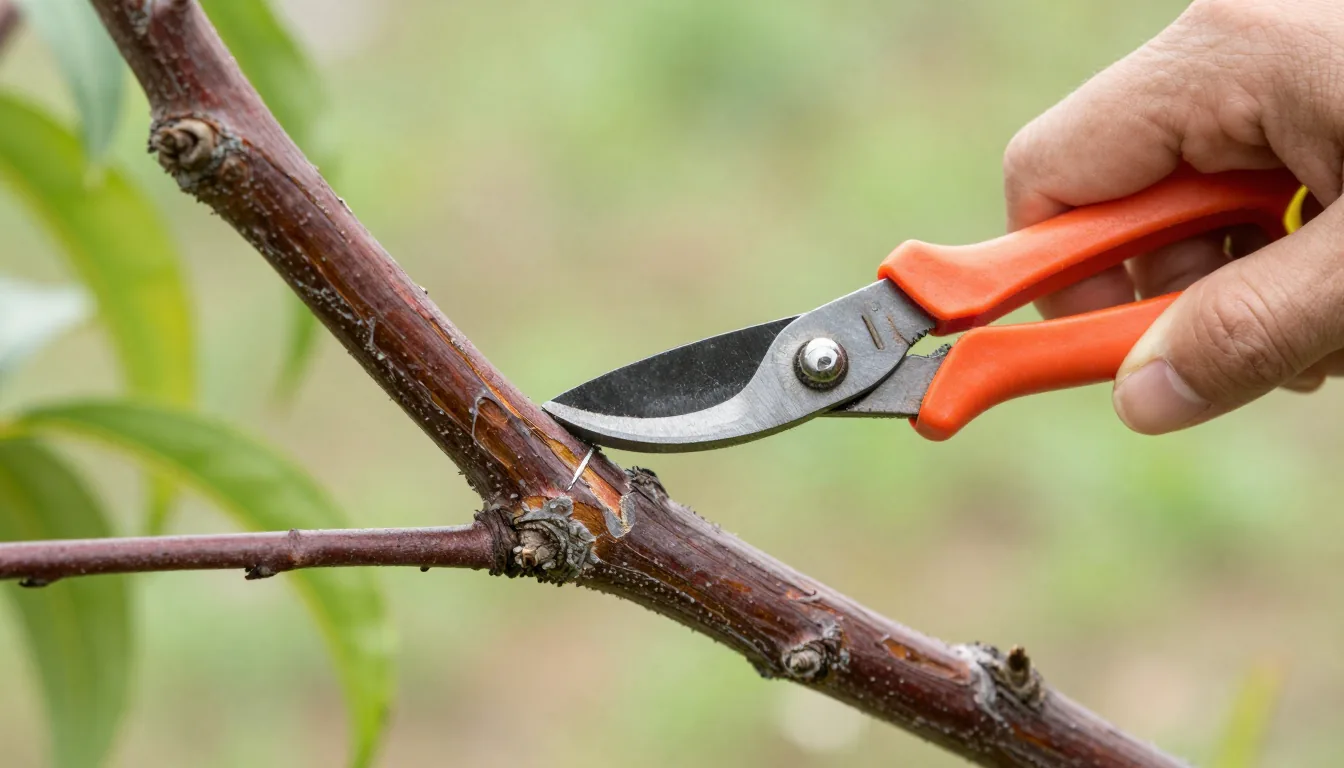
Winter, when trees are leafless and dormant, is the classic time for major pruning. Sap flow is minimal, reducing stress and allowing wounds to heal before spring.
Focus on structural cuts and removing dead or crossing branches.
For apples and pears, winter pruning encourages vigorous growth and fruit bud formation. For stone fruits like peaches, it also helps control diseases like leaf curl.
Aim for late winter, just before bud break, when the tree is still fully dormant.
Remove about 20% of the canopy to open up the center. This improves air circulation and sunlight penetration, which are critical for fruit quality.
Always cut back to a healthy bud or branch collar.
Summer Green Pruning
Summer pruning is lighter and aims to manage growth and improve light penetration. Remove water sprouts and overly vigorous shoots to redirect energy into fruit development.
This is especially useful for pears and late-season apples.
Peaches and nectarines benefit from summer thinning of green fruits to increase size. Avoid heavy pruning in summer as it can stress trees during heat.
Focus on removing only what is necessary, such as diseased or broken branches.
Summer pruning is also an opportunity to shape the tree for the next dormant season. Cut back long shoots to encourage branching and fruiting spurs.
Perform this in early to mid-summer for best results.
Pruning Apple Trees
Apple trees respond best to a central leader or modified central leader shape. In winter, remove vertical branches and thin crowded spurs to encourage fruiting.
Open the center for air circulation and sunlight to reach the lower branches.
For older trees, renewal pruning every few years keeps them productive. Cut back one-third of the oldest wood to stimulate new fruiting spurs.
Always use clean, sharp tools to make clean cuts that heal quickly.
Thin out excess fruit in early summer to about one fruit per cluster. This improves size and reduces branch breakage.
Proper fruit tree pruning on apples can dramatically increase your harvest quality.
Pruning Stone Fruits
Peaches, plums, and cherries prefer an open center shape. In winter, prune to a vase-like structure with 3-5 main scaffold branches.
Remove inward-growing branches and any dead wood to maintain an open canopy.
Stone fruits are prone to disease; disinfect pruning tools between cuts. Summer pruning can be done to remove disease-infected twigs.
Thin fruits in early summer to about 6 inches apart for larger harvests.
For apricots and cherries, prune in late summer to avoid silver leaf disease. Always consider your local climate and tree variety when planning fruit tree pruning activities.
Proper timing prevents many common problems.
Essential Tools and Techniques
Use sharp bypass pruners for small branches, loppers for medium ones, and a pruning saw for large limbs. Make cuts at a 45-degree angle just above an outward-facing bud.
Avoid leaving stubs that can rot and invite pests.
Always clean tools with alcohol or bleach solution to prevent spreading disease. Sharpen blades regularly for clean cuts that heal fast.
Wear gloves and safety glasses for protection from thorns and debris.
Mastering these techniques ensures effective fruit tree pruning seasons after season. For a deeper dive, visit University of Maryland Extension or RHS Pruning Guide. Explore more in our Gardening & Nature archive.
Seasonal Timing Summary
Late winter (February-March in temperate zones) is prime for most fruit trees. Exceptions: apricots and cherries are pruned in late summer to avoid silver leaf disease.
Always consider your local climate and tree variety.
Observe your tree's response each year. Adjust timing and intensity based on growth and fruiting patterns.
With patience and practice, fruit tree pruning becomes a rewarding routine for bountiful yields.
Remember that consistency is key. A well-pruned tree bears more and larger fruit with less disease.
Start your fruit tree pruning journey today for a more productive orchard tomorrow.