
Why a Healthy Soil Garden Matters for Your Vegetables
Great vegetables start beneath the surface. Healthy soil garden practices create a living foundation that feeds plants naturally. Without robust soil, even the best seeds struggle.
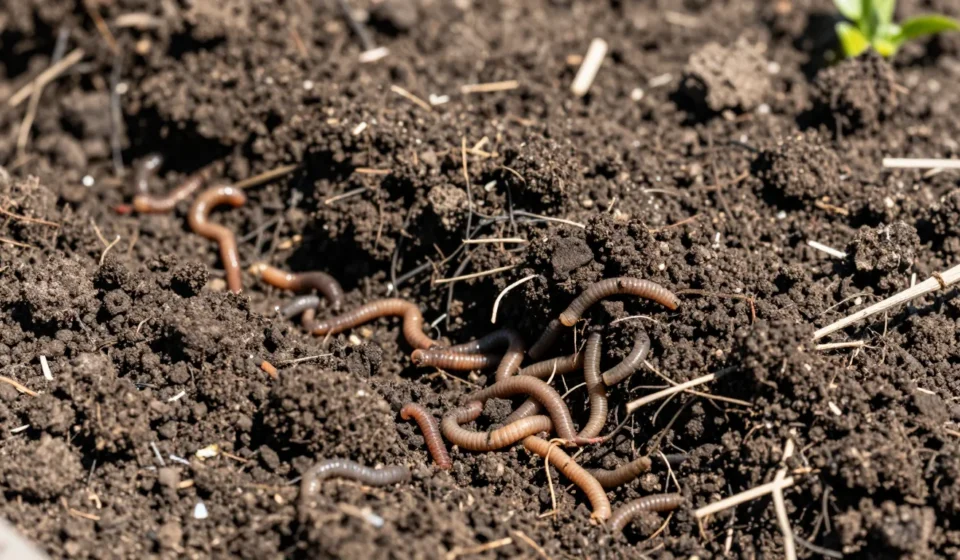
Soil is more than dirt—it's a bustling community of organisms. Bacteria, fungi, earthworms, and roots work together to cycle nutrients.
Your job is to support this ecosystem.
Step 1: Test Your Soil’s Current Condition
Before amending, know what you're working with. A simple soil test reveals pH, nutrient levels, and organic matter content.
Most vegetables prefer a pH between 6.0 and 7.0.
Home test kits or local extension services provide accurate results. Test in spring or fall, and sample from several spots.
This baseline prevents over- or under-fertilizing. Knowing your soil type—sandy, clay, or loam—helps you tailor amendments.
Step 2: Feed the Soil with Organic Matter
Organic matter is the heart of healthy soil garden management. Compost, aged manure, leaf mold, and green manures improve structure and water retention.
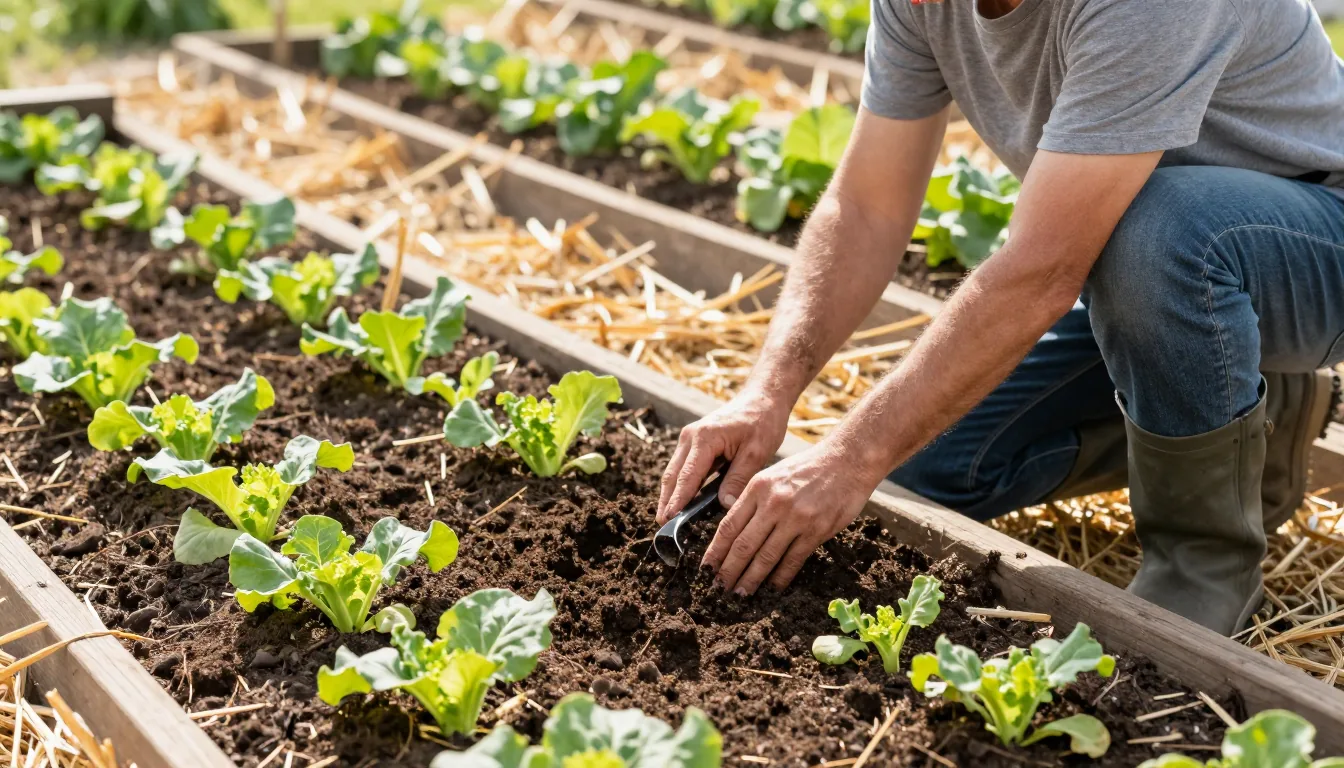
Spread 2–3 inches of compost over beds annually.
Worms and microbes break down organic matter into humus. This dark, crumbly substance holds nutrients and moisture like a sponge.
Well-rotted leaf mold is excellent for moisture retention. Avoid fresh manure—it can burn roots and introduce pathogens.
Step 3: Embrace No-Dig or Minimal Tillage
Tilling disrupts soil aggregates and fungal networks. No-dig gardening preserves these structures and reduces weed seeds.
Simply layer compost on top and let worms incorporate it.
If you must till, do it shallowly (3–4 inches) and only once. Over time, no-dig soil becomes rich in organic matter and beneficial life.
Your vegetables will reward you with stronger roots. No-dig practices are a cornerstone of healthy soil garden maintenance.
Step 4: Keep the Soil Covered with Mulch
Bare soil erodes, compacts, and loses moisture. A 2–4 inch layer of straw, wood chips, or shredded leaves protects the surface.
Mulch also moderates temperature and feeds soil life as it decomposes.
Apply mulch after planting, leaving a small gap around stems to prevent rot. Straw is a popular mulch that breaks down slowly.
Refresh layers as they break down. You'll water less and see fewer weeds.
Mulching is a key healthy soil garden practice.
Step 5: Practice Crop Rotation and Diversity
Growing the same family in one spot depletes nutrients and invites disease. Rotate crops by plant family (e.g., nightshades, brassicas, legumes) yearly.
This balances nutrient demand and disrupts pest cycles.
Interplanting and cover crops add diversity. Legumes fix nitrogen; deep-rooted plants break compacted layers.
Legumes like beans and peas fix nitrogen, naturally fertilizing subsequent crops. Crop rotation supports a thriving healthy soil garden.
Step 6: Water Wisely for Deep Roots
Frequent shallow watering encourages weak roots. Instead, water deeply and less often, soaking the top 6–8 inches.
Deep watering encourages roots to grow downward, seeking moisture.
Drip irrigation and soaker hoses deliver water directly to the root zone. Water in the morning to reduce evaporation and disease.
Deep watering complements healthy soil garden efforts.
Step 7: Boost Biology with Compost Tea and Mycorrhizae
Compost tea adds beneficial microbes to the soil. Steep a handful of finished compost in water for 24–48 hours, then apply as a soil drench or foliar spray.
This quickens nutrient cycling. Compost tea can be made with an aquarium pump for aeration.
Mycorrhizal fungi form partnerships with roots, extending their reach for water and minerals. Inoculate transplants or seeds with powdered mycorrhizae for a head start.
Combined with organic matter, these biology boosters supercharge your healthy soil garden.
Building healthy soil takes time, but each season you’ll see improvements. Your vegetables will taste better, resist pests, and yield more.
For more guidance, explore our Gardening & Nature archive and external resources like the FAO Soil Partnership and USDA Soil Health.