
Understanding the Core Differences
When you stand in a seed catalog aisle, the choice between heirloom seed vs hybrid can feel overwhelming. Each type carries a unique history and set of traits that affect your garden's outcome.
Heirlooms are open-pollinated varieties passed down for generations, while hybrids are deliberate crosses bred for specific characteristics.
Your decision shapes not only this year’s harvest but also your long-term gardening practices. Knowing the pros and cons of the heirloom seed vs hybrid difference helps you match seeds to your goals, whether that’s peak flavor, robust growth, or self-sufficiency.
Heirloom Seed vs Hybrid: Flavor and Culinary Quality
Why Heirlooms Often Win on Taste
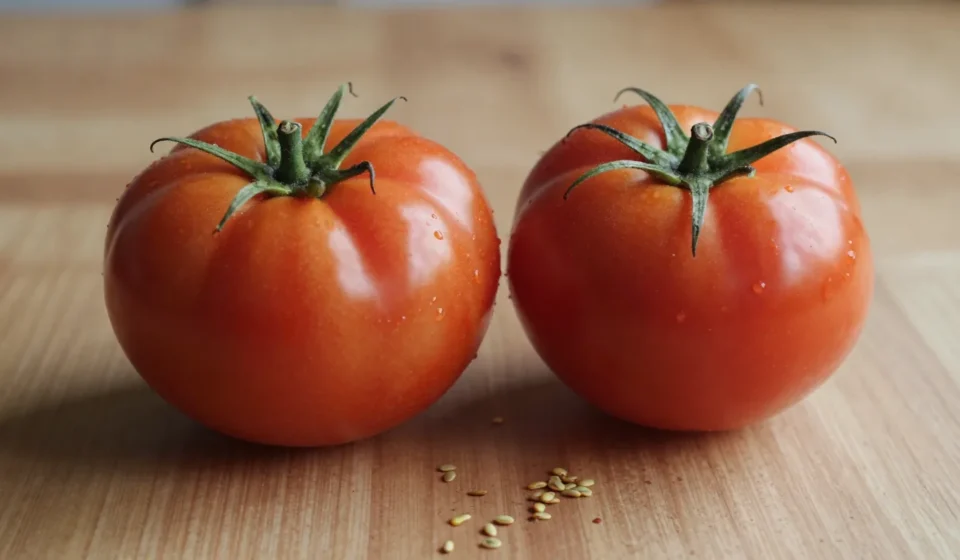
Heirloom vegetables are celebrated for their rich, complex flavors that hybrids rarely match. Varieties like Brandywine tomatoes or Moon and Stars watermelons were selected by gardeners for taste, not shelf life.
Many hybrid varieties prioritize uniformity and durability over flavor, making them better for commercial shipping. For the home cook who values a deep tomato tang or a sweet, tender bean, heirlooms are hard to beat.
When Hybrids Hold Their Own
Some modern hybrids have been bred for improved flavor too, especially in the organic sector. For example, ‘Sungold’ tomatoes are a hybrid that rivals heirlooms in sweetness.
Yet, the majority of hybrids lack the nuance of heirlooms. If flavor is your top priority, start your search with heirloom varieties and only turn to hybrids when a specific trait is needed.
Resilience and Disease Resistance
Hybrids Excel in Tough Conditions
Hybrid seeds are often engineered for disease resistance, uniformity, and high yields. They can withstand common blights, pests, and temperature swings better than many heirlooms.
For beginner gardeners or those facing challenging climates, hybrids offer a safety net. They require less intervention and still produce a reliable harvest, even under stress.
Heirlooms Offer Adaptability Over Time
Heirloom varieties, while sometimes more susceptible to disease, can adapt to local conditions if you save seeds over several years. This process, called landrace development, gradually increases resilience.
If you are willing to experiment and select your best plants for seed saving, heirlooms become uniquely suited to your microclimate. This long-term payoff is a core principle of permaculture.
Seed Saving and Self-Sufficiency
The Clear Advantage of Heirlooms
One of the most compelling reasons to choose heirloom seed vs hybrid is the ability to save seeds true to type. Heirlooms are open-pollinated, so you can collect seeds and replant them year after year.
This practice reduces dependence on seed companies, preserves biodiversity, and saves money. It also empowers you to select for traits you value, building a personalized seed bank.
The Hybrid Seed Saving Trap
Hybrids do not come true from seed. If you save seeds from a hybrid tomato, the next generation will show unpredictable traits, often reverting to less desirable parent characteristics.
This means you must purchase new seeds every season if you want consistent hybrid performance. For gardeners focused on self-reliance, this is a significant drawback.
Cost and Availability
Heirlooms Can Be More Expensive
Heirloom seeds are often produced in smaller quantities by specialty growers, which can drive up the price. However, once you start saving seeds, the cost per season drops dramatically.
Many heirloom varieties are also available through seed swaps and exchanges, making them accessible to frugal gardeners. In the heirloom seed vs hybrid cost comparison, long-term savings favor heirlooms.
Hybrids Are Widely Available and Consistent
Hybrid seeds dominate the market because they are easier to produce uniformly at scale. They are generally cheaper per packet and easier to find in big-box stores.
But that low upfront cost repeats every year. Over a decade, heirlooms that you save seeds from become far more economical.
Making Your Seed Choice: Factors to Consider
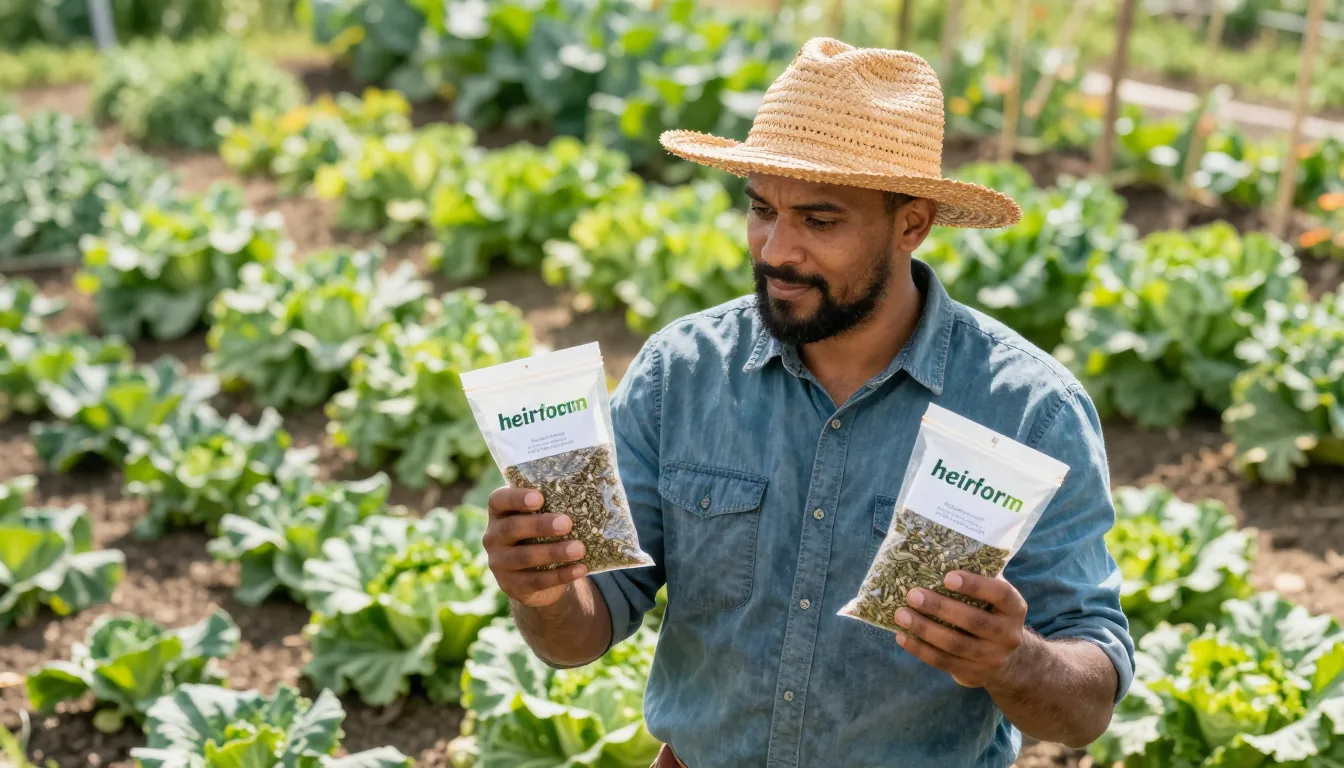
There is no single right answer in the heirloom seed vs hybrid debate. Many experienced gardeners grow both: heirlooms for the kitchen and seed saving, hybrids for disease-prone areas or early harvests.
Start by listing your priorities—flavor, resilience, cost, or independence—and let that guide your seed order. For more in-depth guidance, explore our Gardening & Nature articles.
Remember that every garden is unique. Experiment with a few heirlooms and a few hybrids this season, and observe which ones thrive in your soil and climate.
That hands-on knowledge is worth more than any catalog description.
For reliable seed sources, check out Seed Savers Exchange for heirlooms and University of Minnesota Extension for hybrid recommendations. Happy growing!