
What Are Mycorrhizae and Why They Matter
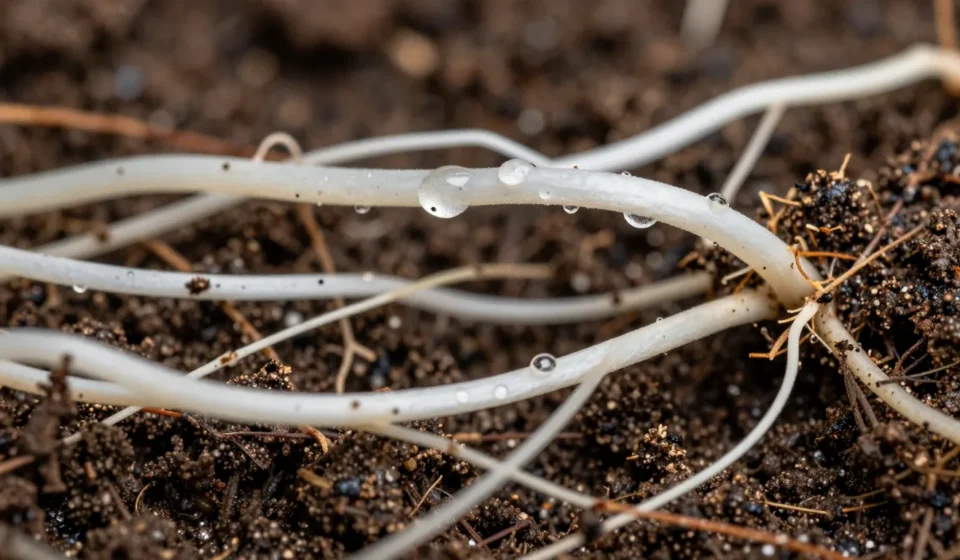
Mycorrhizae root health is the unsung hero of a vibrant garden. Beneath the soil lies a partnership that has sustained plant life for millions of years—mycorrhizae are beneficial fungi that form symbiotic associations with plant roots, extending their reach into the earth.
These fungi trade water and minerals for sugars produced by the plant, creating a resilient network that boosts overall vigor and disease resistance.
This ancient alliance is crucial for gardeners aiming to reduce chemical inputs. By fostering mycorrhizal communities, you build a living soil that supports long-term fertility and natural pest resistance.
The health of these fungi directly impacts your plants' ability to thrive, making mycorrhizae root health a top priority for sustainable cultivation.
How Mycorrhizae Root Health Amplifies Nutrient Uptake
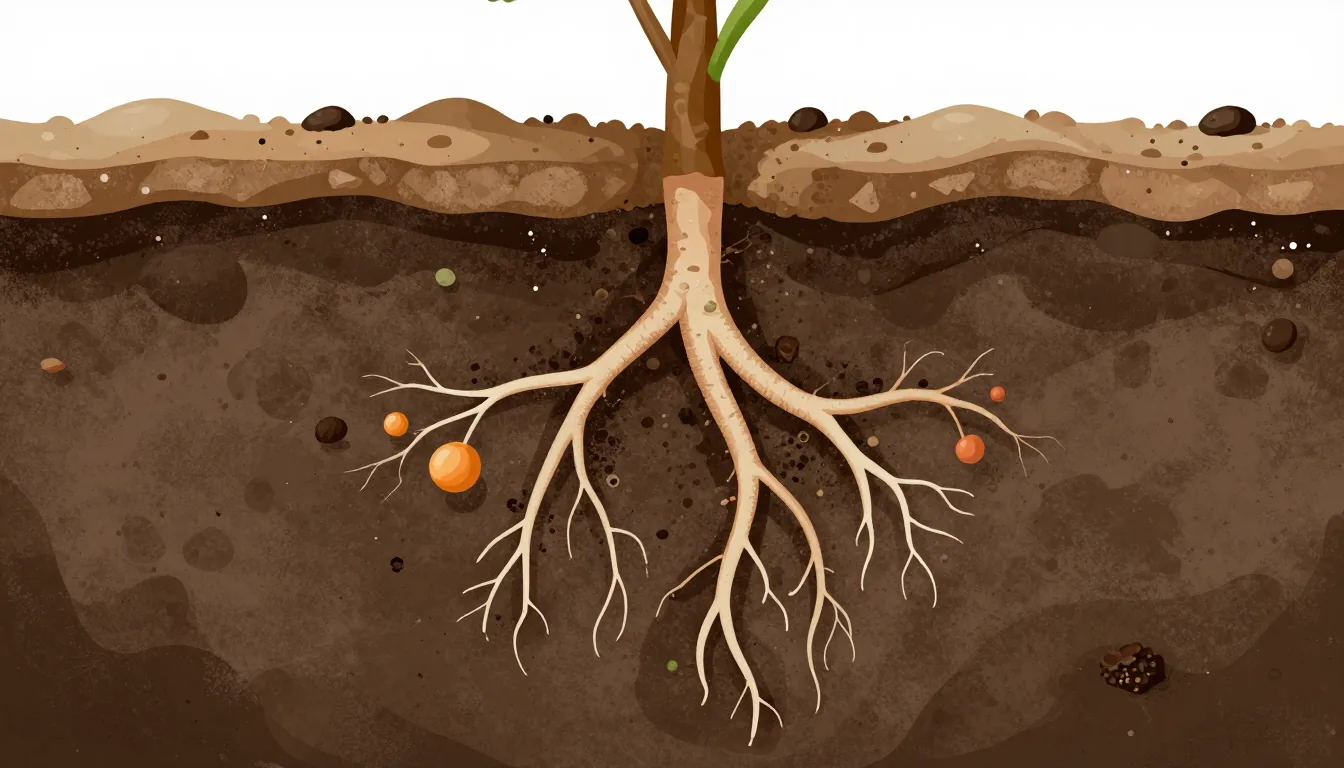
The fungal hyphae act as extensions of the root system, exploring soil pores inaccessible to roots alone. They excel at mobilizing phosphorus, nitrogen, and micronutrients like zinc and copper.
In exchange, the fungus receives carbohydrates, fueling its growth and spore production. This symbiosis is the cornerstone of mycorrhizae root health.
Studies show that plants with strong mycorrhizal associations can absorb up to 80% more phosphorus. This natural mining reduces the need for synthetic fertilizers and prevents runoff pollution in nearby waterways.
Improving mycorrhizae root health can also enhance water efficiency, especially during dry spells.
Disease Resistance Through Root Partnerships
A robust mycorrhizal network acts as a biological shield. The fungi physically crowd out pathogens and produce antibiotic compounds that inhibit harmful microbes.
They also prime the plant's immune system, allowing faster response to attacks.
For example, mycorrhizae have been shown to reduce root rot caused by Phytophthora and Fusarium. This protection means fewer losses and healthier transplants, especially in organic systems where chemical controls are limited.
Prioritizing mycorrhizae root health creates a self-defending garden.
Building Mycorrhizal Populations in Your Garden
To reap these benefits, avoid over-tilling which destroys fungal networks. Instead, use no-dig methods and incorporate organic mulches.
Certain cover crops like oats and clover actively host mycorrhizal fungi, increasing spore counts through the season.
Commercial inoculants are available but vary in quality. Look for products containing multiple species suited to your climate.
Remember, native fungi already present in healthy soil often outperform introduced strains. Regularly assessing mycorrhizae root health can guide your soil management decisions.
Common Mistakes That Harm These Beneficial Fungi
- Excessive tilling breaks hyphae and reduces colonization
- High phosphorus fertilizers suppress mycorrhizal development
- Prolonged dry periods weaken both plant and fungus
- Bare soil lacks host plants to sustain the network
- Indiscriminate fungicide use kills beneficial fungi
These practices undermine mycorrhizae root health, so avoid them. Adjust your practices to avoid these pitfalls.
A simple shift to minimal disturbance and diverse planting can restore fungal activity within one season.
Seasonal Considerations for Mycorrhizal Activity
Mycorrhizae are most active during the growing season when plants are photosynthesizing actively. In cold months, they enter dormancy but remain viable in root fragments.
Autumn is an ideal time to incorporate organic matter to feed the soil food web.
In spring, inoculate seeds or seedlings with mycorrhizal powder to give them a head start. Pair with Gardening & Nature practices like companion planting to maximize the network’s potential. Over time, observing mycorrhizae root health helps you fine-tune your seasonal care.
Real Gardens Transformed by Mycorrhizae
Community gardens in urban settings have reported 30% higher yields after focusing on soil health. One study shared on Extension.org found that inoculated tomato plants produced significantly more fruit with less water stress. Similarly, US Forest Service research shows mycorrhizae are critical for forest regeneration after disturbances.
This underscores their role in ecosystem resilience, from backyard plots to vast wildlands. By nurturing these fungal partners, you're not just improving root health—you're investing in a self-sustaining system that rewards you season after season.
Ensuring good mycorrhizae root health today pays dividends for years.