
Starting an organic garden is a rewarding journey, but many newcomers stumble into organic gardening mistakes that stunt growth or invite pests. Understanding these early pitfalls saves time and boosts yields. Let’s walk through seven frequent errors and the simple corrections that keep your soil alive and plants thriving.
Overwatering and Underwatering: Common Organic Gardening Mistakes
New gardeners often drown their plants with love. Overwatering suffocates roots and invites rot, while underwatering stresses crops and reduces yields.
Signs of overwatering include yellow leaves and mold on soil.
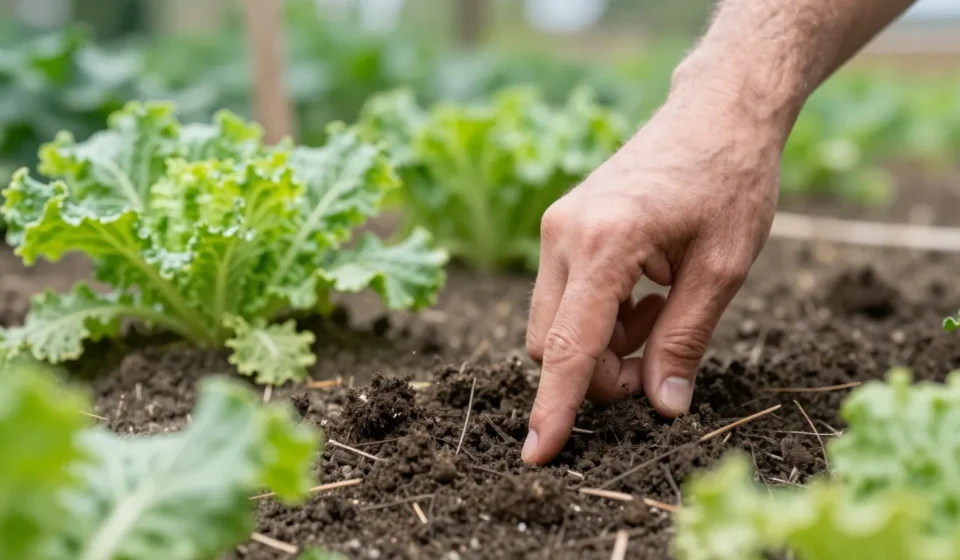
Stick your finger an inch into the soil. If it feels dry, water deeply; if damp, wait.
Early morning watering reduces evaporation and disease. Avoiding this organic gardening mistake alone can dramatically improve plant health.
Neglecting Soil Health
Organic gardening starts with living soil. Beginners sometimes skip compost or rely on synthetic fertilizers, which harm microbial life and lead to poor nutrient uptake.
Soil should be dark, crumbly, and full of earthworms.
Add aged compost or worm castings before planting. Test soil pH and adjust with lime or sulfur as needed.
Healthy soil feeds plants naturally, reducing the need for interventions later. A yearly soil test is a small investment that prevents many organic gardening mistakes.
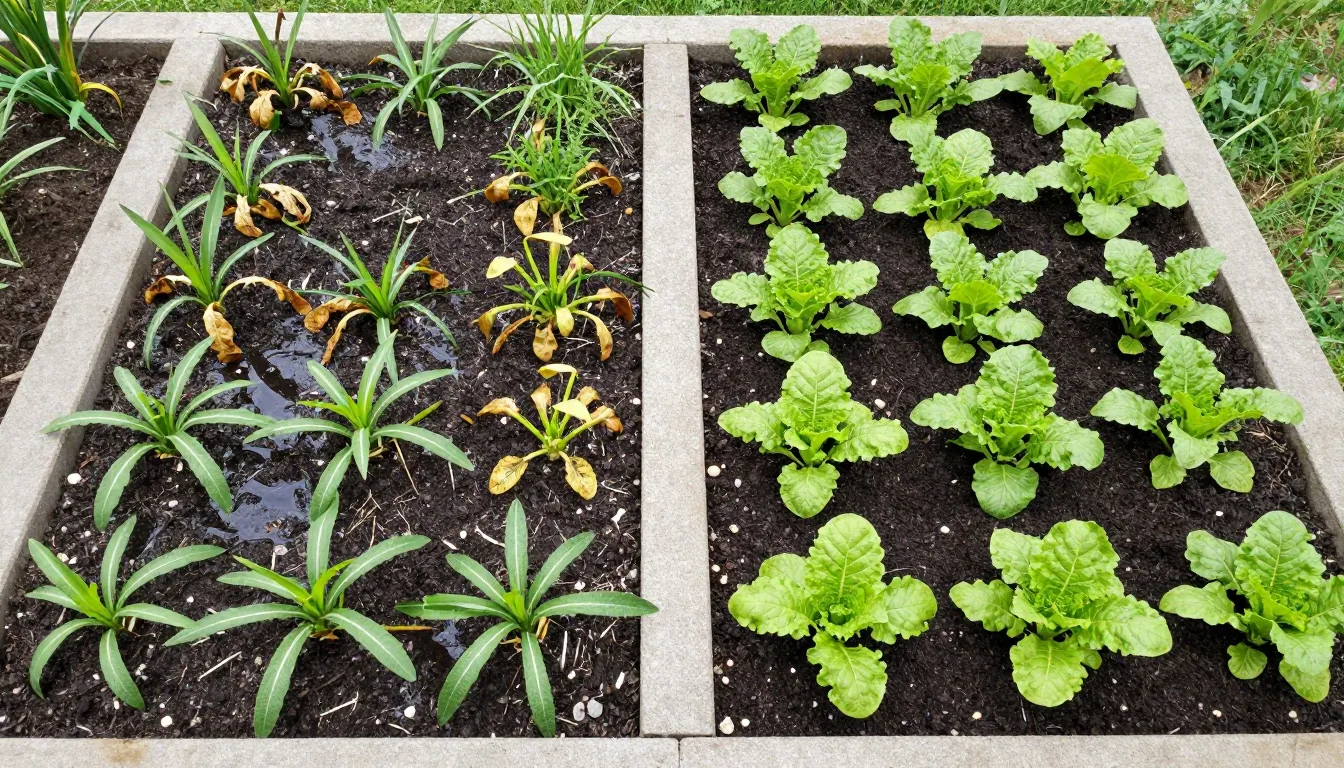
Why Soil Prep Matters
Without rich organic matter, plants become weak and pest-prone. A simple soil test once a year saves countless frustrations and ensures robust growth.
Compost adds essential micronutrients and improves water retention.
Planting Too Densely
Crowding plants blocks airflow and invites mildew. Beginners often underestimate mature plant sizes, leading to competition for light and nutrients.
For example, tomatoes need at least 18 inches between plants.
Follow seed packet spacing guides, and thin seedlings ruthlessly. Air circulation keeps foliage dry and healthy, preventing many fungal issues.
This common organic gardening mistake is easy to avoid with a little planning.
Ignoring Companion Planting
Some plants help each other; others compete. For instance, basil near tomatoes improves flavor and repels pests, while fennel inhibits growth of most vegetables.
Marigolds deter nematodes when planted near beans.
Research simple companion pairs like carrots with onions. Avoid planting fennel near most vegetables—it inhibits growth.
Using companion planting strategically helps you avoid organic gardening mistakes related to pest outbreaks.
Using Harsh Pesticides
Organic gardening means working with nature, not against it. Spraying broad-spectrum chemicals kills beneficial insects too, upsetting the natural balance.
Instead, tolerate some pest damage and use barriers like row covers.
Try neem oil or insecticidal soap only for severe outbreaks. Encourage ladybugs and lacewings by planting dill and yarrow.
This organic gardening mistake often backfires, creating more pest problems.
Forgetting Crop Rotation
Growing the same crops year after year depletes soil nutrients and builds up pests. Beginners often skip rotation, leading to declining yields and disease buildup.
For instance, planting tomatoes in the same spot invites blight.
Rotate families: tomatoes, peppers, potatoes (nightshades) with beans, peas (legumes) and greens. A simple three-year cycle prevents disease and reduces the need for amendments.
Crop rotation is a cornerstone of avoiding organic gardening mistakes.
Overlooking Microclimates
Not every spot in your garden gets equal sun or wind. Placing tender plants in exposed areas leads to stress and poor growth.
For example, lettuce prefers partial shade, while peppers need full sun.
Observe sunlight patterns and wind tunnels. Plant heat-loving cucumbers against a south wall, and shade lettuce behind taller crops.
Recognizing microclimates helps you fine-tune your garden and sidestep organic gardening mistakes.
By sidestepping these organic gardening mistakes, you’ll build resilience and enjoy a more bountiful harvest. For more wisdom on sustainable practices, explore our Gardening & Nature archive. Learn from the soil, and it will teach you patience and abundance.
External resources: Rodale’s Organic Life, University of Minnesota Extension, Old Farmer’s Almanac.