
Creating a thriving pollinator garden is easier than you think. By following key pollinator garden design principles, you can transform any yard into a haven for bees and butterflies.
With careful planning, your garden can be both beautiful and beneficial. Whether you have a large yard or a tiny balcony, you can make a difference.
Pollinator Garden Design Principles
Effective pollinator garden design starts with understanding the needs of local pollinators. By providing food, water, and shelter, you create a self-sustaining ecosystem.
This approach ensures your garden is both beautiful and ecologically valuable.
Native plants are the cornerstone of any pollinator-friendly garden. They have evolved alongside local insects and require less maintenance.
Milkweed, for example, is essential for monarch caterpillars.
Consider the specific pollinators in your region. Some bees prefer blue flowers, while butterflies are drawn to red.
Observing your garden will help you tailor your plant choices.
Include a water source like a shallow dish with stones for bees to drink safely.
Choosing the Right Plants for Pollinators
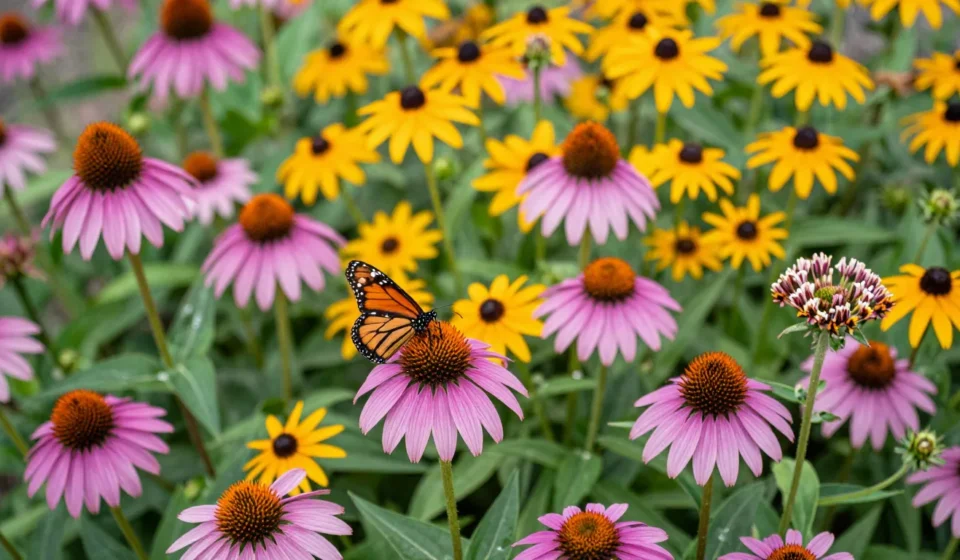
Select plants that bloom from early spring to late fall to provide continuous nectar. Native wildflowers such as purple coneflower, black-eyed Susan, and milkweed are top choices.
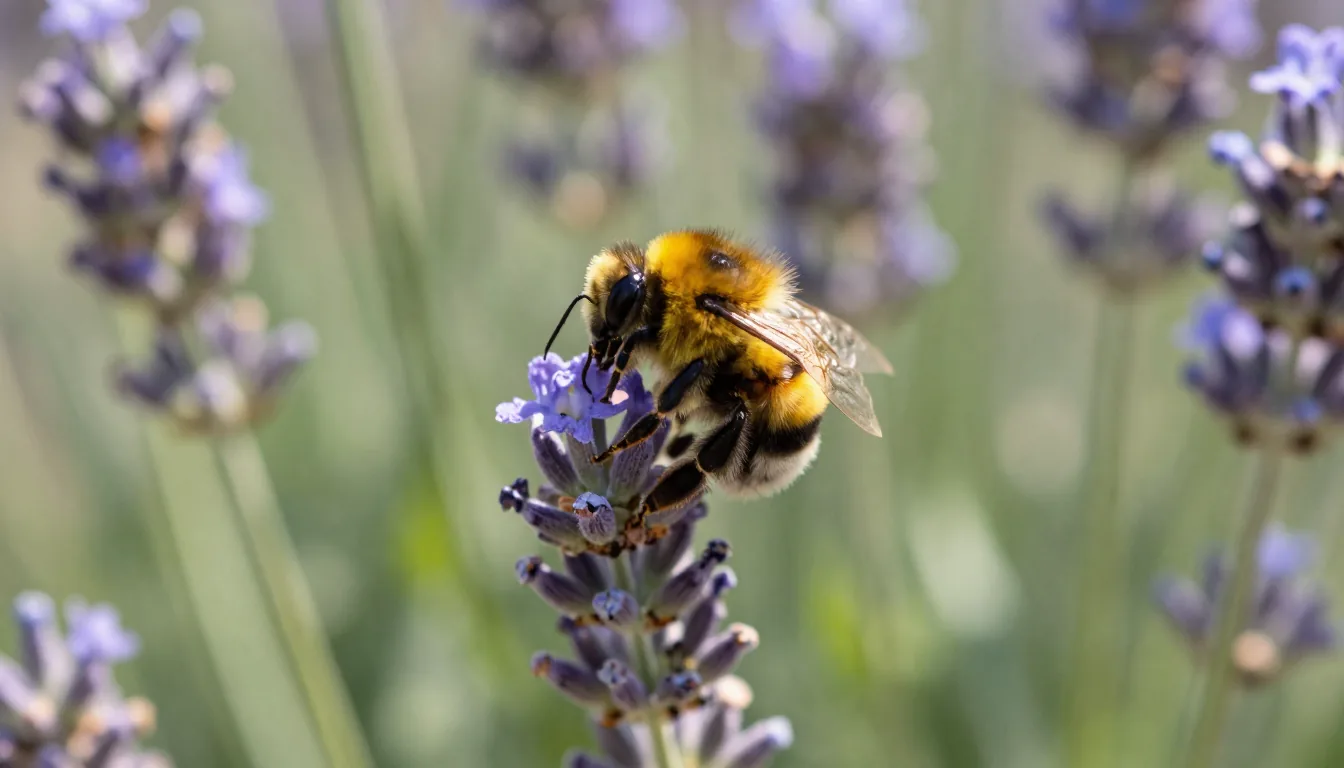
Include herbs like lavender, borage, and oregano for added fragrance and resilience.
Sun and Soil Requirements
Most pollinator-friendly plants thrive in full sun (6+ hours daily). Well-drained soil with moderate fertility is ideal.
Avoid chemical fertilizers and pesticides, as they harm beneficial insects.
Incorporate host plants for butterfly caterpillars, such as dill for swallowtails. This ensures your pollinator garden design supports complete life cycles.
Plan for bloom succession by selecting plants that flower at different times. For example, spring bulbs give way to summer perennials, followed by asters in fall.
This ensures a constant food supply.
Avoid invasive exotic plants that can escape and harm local ecosystems. Stick to regionally native species for the best ecological fit.
Group at least three of each plant species together to create a visible target for pollinators.
Creating a Pollinator-Friendly Layout
Group plants in clusters rather than single specimens; bees and butterflies prefer large patches of color. Use a mix of flower shapes to attract diverse species: daisy-like blooms for butterflies, tubular flowers for hummingbirds, and flat-topped clusters for bees.
Include Water and Shelter
Add a shallow water source like a birdbath with stones for perching. Leave some bare ground for ground-nesting bees, and place bee houses or log piles for solitary bees.
Integrate trees and shrubs to provide windbreaks and nesting sites. A layered canopy mimics natural habitats and supports more species.
Consider vertical layers to maximize space in your pollinator garden design. Use tall plants in back, medium in mid, and low groundcovers in front.
Design paths with stepping stones to allow easy access for maintenance without compacting soil. This also prevents trampling of delicate plants.
Use color schemes that combine contrasting hues to attract attention from afar.
Seasonal Care for Your Pollinator Garden
Mulch with organic material to retain moisture and suppress weeds. Deadhead spent blooms to encourage repeat flowering, but leave some seed heads for birds in winter.
Avoid fall cleanup until spring to protect overwintering insects.
Long-Term Maintenance
Divide perennials every 3–4 years to keep them vigorous. Monitor for pests organically—use neem oil only when necessary.
Keep a record of bloom times to ensure continuous flowers.
Reassess your pollinator garden design each year. Add new species that fill gaps in bloom succession, and remove invasive plants that compete with natives.
Water deeply during dry spells, but avoid overhead watering to prevent disease. Focus on drought-tolerant natives to reduce maintenance.
In winter, leave seed heads and dead stems to provide shelter for insects. Minimal cleanup supports biodiversity until spring.
In spring, remove old debris carefully to expose new growth without disturbing overwintering insects.
Maximizing Pollinator Diversity
To attract a wide range of species, incorporate plants with different flower shapes and colors. A successful pollinator garden design includes both early and late bloomers to extend the season.
Avoid double-flowered varieties that produce little nectar.
Provide nesting materials like dry leaves and hollow stems. Many bees nest in the ground, so leave some undisturbed soil patches.
Observing which pollinators visit helps you refine your design over time.
Keep a journal of bloom times and pollinator visits. This data helps you refine your design and ensure success.
Create a puddling station with moist sand for butterflies to gather minerals.
Monitor for signs of pest problems early to address them without chemicals.
Gardening for Pollinators in Small Spaces
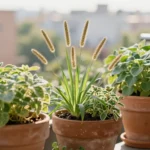
Even a balcony or small yard can support pollinators. Use containers with a variety of plants and arrange them in clusters for maximum impact.
Vertical gardening with trellises and hanging baskets adds space. Choose compact cultivars that still produce nectar.
Incorporate a diversity of flower shapes. Different pollinators prefer different shapes.
Choose containers with drainage holes and use potting mix specifically for flowers.
For more gardening insights, visit our Gardening & Nature category.
Learn about native plants at Xerces Society and find design ideas at Pollinator Partnership.