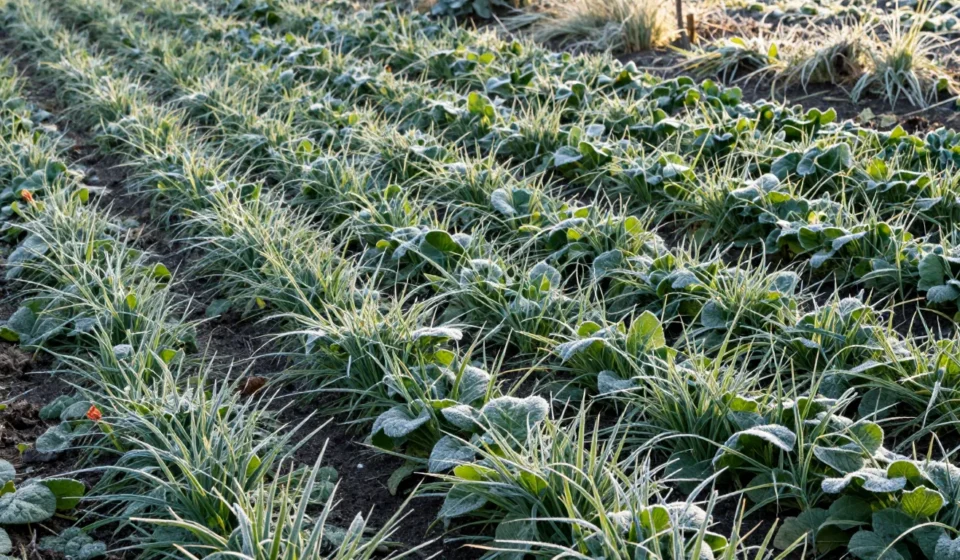

Winter Cover Crops Benefits: The Quiet Work Beneath the Snow
As autumn fades and the garden beds empty, many gardeners tuck in their tools and wait for spring. But the soil does not rest. Winter cover crops benefits go far beyond simple ground coverage—they build organic matter, prevent erosion, and nurture the microbial life that sustains healthy plants.
Think of cover crops as a living blanket. They capture nutrients left over from summer vegetables, hold them in their tissues, and release them slowly when you turn them under in spring.
This natural cycling reduces the need for synthetic fertilizers. These winter cover crops benefits are especially valuable for organic gardeners seeking to improve soil fertility.
How Winter Cover Crops Protect Your Soil
Preventing Erosion and Compaction
Bare soil is vulnerable. Heavy rain and wind can wash away the topsoil that took years to build.
A dense stand of winter rye or hairy vetch holds the soil in place with a fibrous root system.
These roots also break up compaction. As they grow deep, they create channels for air and water, improving drainage and root penetration for next year’s crops.
Understanding winter cover crops benefits helps you choose the best species for your garden conditions.
Suppressing Weeds Naturally
Winter weeds like chickweed and henbit thrive in bare beds. A thick cover crop shades the ground, blocking light and preventing weed seeds from germinating.
When you terminate the cover crop in spring, the residue forms a mulch that continues to suppress weeds during the early growing season. Less weeding means more time to enjoy the garden.
Feeding the Soil Food Web
Building Organic Matter
Cover crops add biomass both above and below ground. When the plants die or are incorporated, microbes and earthworms break them down into stable humus.
This improves soil structure and water-holding capacity. The winter cover crops benefits here are long-lasting, boosting fertility for years.
Legumes like crimson clover and Austrian winter pea fix nitrogen from the air, making it available to future plants. This free fertilizer is the heart of organic soil management.
Supporting Beneficial Organisms
Mycorrhizal fungi thrive under live plant cover. They form symbiotic partnerships with roots, helping plants access phosphorus and trace minerals.
Winter cover crops keep these fungal networks active all year, delivering winter cover crops benefits even in cold months.
Earthworms also flourish. They burrow through the soil, leaving behind castings rich in nutrients.
A healthy worm population is a sign of vibrant soil life.
Choosing the Right Winter Cover Crop
Cold-Tolerant Varieties
For northern climates, cereal rye is extremely hardy and grows even in cool temperatures. Hairy vetch and winter wheat are also reliable choices that survive frost.
In milder regions, oats and field peas can be used, but they may winter-kill. That can be an advantage if you want a residue that breaks down quickly in spring.
Mixing Species for Maximum Benefits
A blend of grasses and legumes combines the best traits. For example, a mix of rye and vetch provides quick ground cover and nitrogen fixation.
The roots explore different soil depths, improving overall soil health.
Experiment with small areas to see what works in your microclimate. Local extension offices often have recommendations for your region.
Planting and Termination Tips
Timing Your Seeding
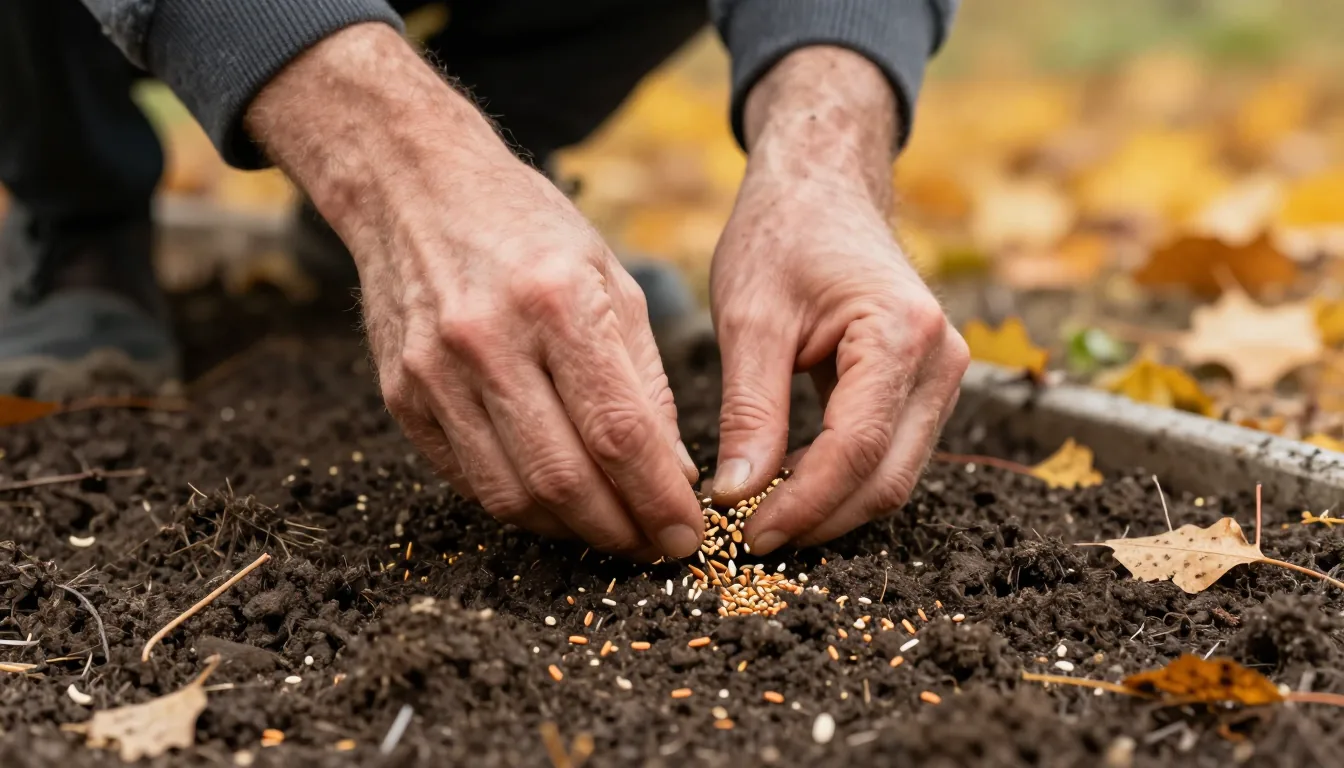
Sow cover crops about 4–6 weeks before the first hard frost. This gives them time to establish before winter dormancy.
In most zones, that means late August to October.
Broadcast the seed, rake it in lightly, and water if the soil is dry. No need for perfect rows—cover crops are forgiving.
Terminating in Spring
For a no-till approach, mow or roll the crop when it begins to flower but before it sets seed. Leave the residue as mulch, then plant directly into it.
This preserves soil structure and feeds the worms.
If you prefer tilling, incorporate the green material 3–4 weeks before planting. The decomposition will release nutrients just as your seedlings need them.
For more insights on building healthy soil, explore our Gardening & Nature category. And for scientific background, check out SARE’s Cover Crop Guide or University of Minnesota Extension.