
Understanding Curtain Fiber Types
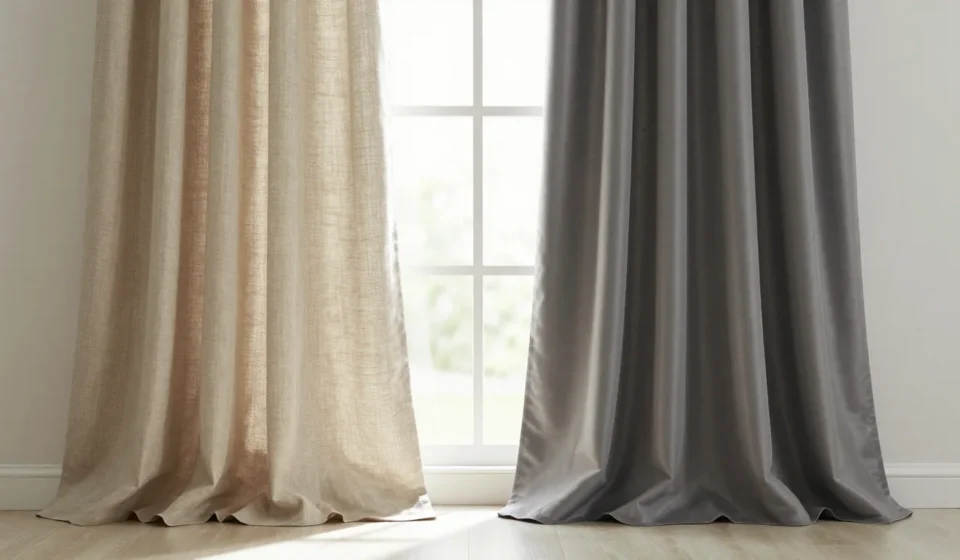
Choosing the right curtain fiber types can transform your room's look and feel. Natural fibers like cotton and linen offer breathability and elegance, while synthetic options like polyester and blends bring durability and affordability.
Each has unique strengths for light filtering and upkeep.
Your lifestyle and decor goals play a big role in the decision. A busy family may prioritize easy-cleaning synthetics, while a design enthusiast might crave linen's organic drape.
Let's break down the key differences to help you make an informed choice.
Durability and Longevity Compared
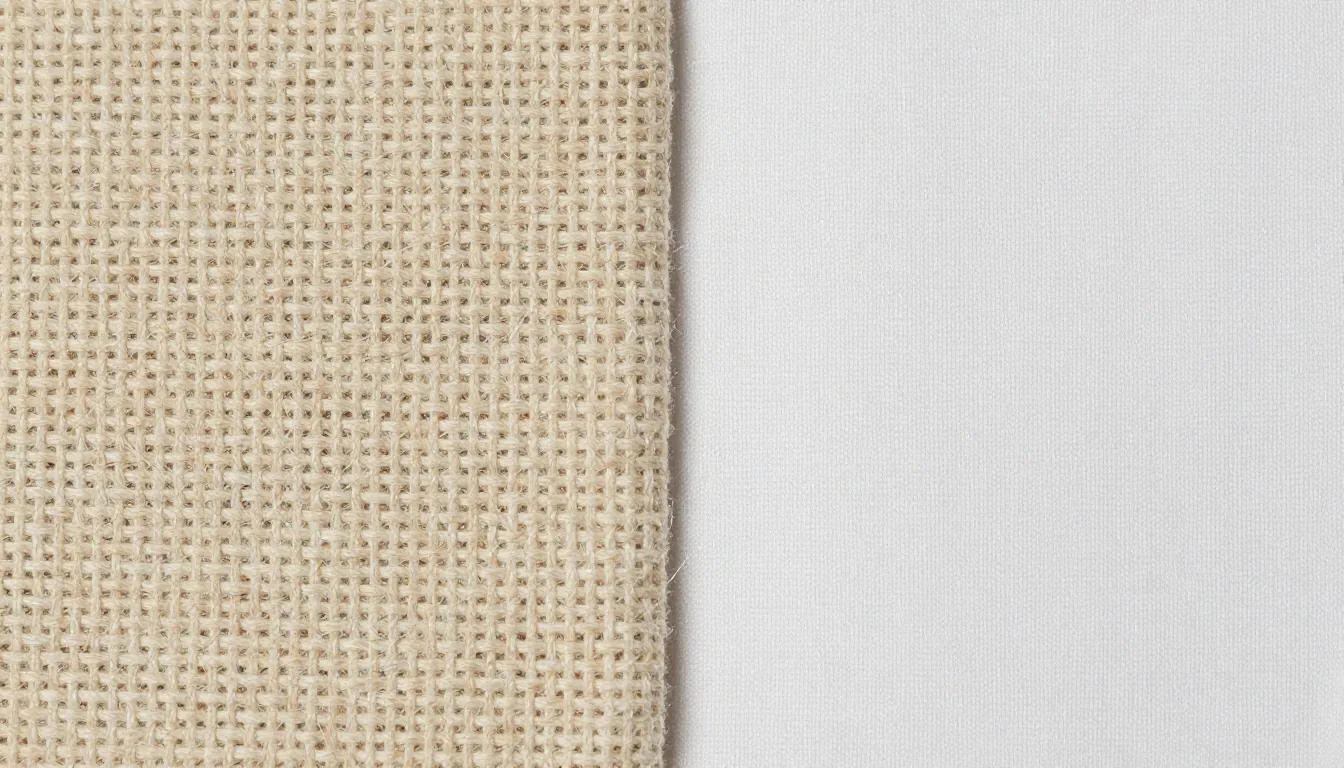
Cotton curtains are sturdy but can fade in direct sunlight over time. Linen is even more delicate, prone to wrinkling and fraying with frequent washing.
Both natural fibers require gentle care to maintain their appearance.
Polyester curtains resist fading, shrinking, and stretching, making them a workhorse for high-traffic rooms. Blends that combine cotton and polyester offer the best of both worlds: softness with resilience.
Check the thread count for quality assurance.
Cotton and Linen: Timeless but Fussy
Cotton drapes beautifully and feels soft, but it needs regular ironing or steaming to look its best. Linen adds texture and a relaxed vibe, yet it wrinkles easily and may shrink if not dry-cleaned properly.
Both are eco-friendly choices if sourced organically. However, their light filtering is moderate, offering privacy without blackout capability unless lined.
Consider your maintenance tolerance before committing to these natural options.
Polyester and Blends: Workhorse Fabrics
Polyester is a synthetic champion for curtain fiber types. It holds color well, resists mildew, and is machine-washable, making it ideal for busy households.
Many affordable blackout curtains use polyester for its light-blocking density.
Blended fabrics, such as cotton-polyester, improve breathability while maintaining durability. They wrinkle less than pure natural fibers and often have a lower price point.
For rental spaces or kids' rooms, these blended options are practical heroes.
Light Filtering and Privacy
Natural fibers typically allow diffused light, creating a warm glow in the room. Linen and cotton are semi-sheer unless woven tightly or lined with a backing.
They provide daytime privacy but may not suffice for bedrooms at night without additional layers.
Synthetics excel in light control. Polyester can be engineered for blackout with multiple layers or coatings that block nearly all light.
Blends with a thermal backing add insulation and privacy, making them perfect for home theaters or nurseries.
When comparing different curtain fiber types, consider the room’s purpose. For a living room, natural fibers create an inviting atmosphere; for a bedroom, synthetic blackout curtains promote better sleep.
Maintenance Made Easy
Cotton and linen require careful washing—cold water, gentle cycle, and line drying to avoid shrinkage. Dry-cleaning is safest for linen to preserve its texture.
Ironing is almost mandatory for a crisp, polished look.
Polyester and blends are low-maintenance: toss in the wash with warm water and tumble dry low. They resist wrinkles and stains, saving you time and effort.
Some synthetic blends are even wrinkle-resistant, ideal for no-iron households.
For a balanced approach, many homeowners choose blends for everyday rooms and natural fibers for formal spaces. Visit our Home Decor & DIY section for more window treatment ideas.
Cost and Environmental Impact
Natural fibers like linen and organic cotton come with a higher price tag due to farming and processing costs. They are biodegradable and renewable, appealing to eco-conscious buyers.
However, they may require more frequent replacement if not cared for properly.
Synthetic fibers are generally cheaper and more durable, but they are derived from petroleum and do not biodegrade. Many manufacturers now produce recycled polyester, reducing environmental harm.
Weigh upfront cost against long-term sustainability when selecting your curtain fiber types.
Remember that higher initial investment in natural fibers may pay off if you plan to keep curtains for years. Blends offer a middle ground for cost and durability.
Explore external guides on fabric care at The Spruce and HGTV for deeper insights.