
Understanding Lighting Layers Ambiance
To create a room that feels both functional and inviting, you need to master lighting layers ambiance. This concept involves blending three distinct types of illumination: ambient, task, and accent lighting. Each layer serves a unique purpose, and together they transform a flat, harsh space into a warm, dynamic haven.
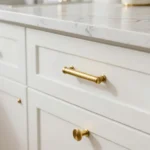
Ambient lighting provides the overall illumination, like ceiling fixtures or recessed lights. Task lighting focuses on specific activities—think reading lamps or under-cabinet lights.
Accent lighting highlights architectural features or decor, such as picture lights or track lights aimed at artwork.
Start with a Solid Ambient Foundation
Choose a Central Fixture or Multiple Sources
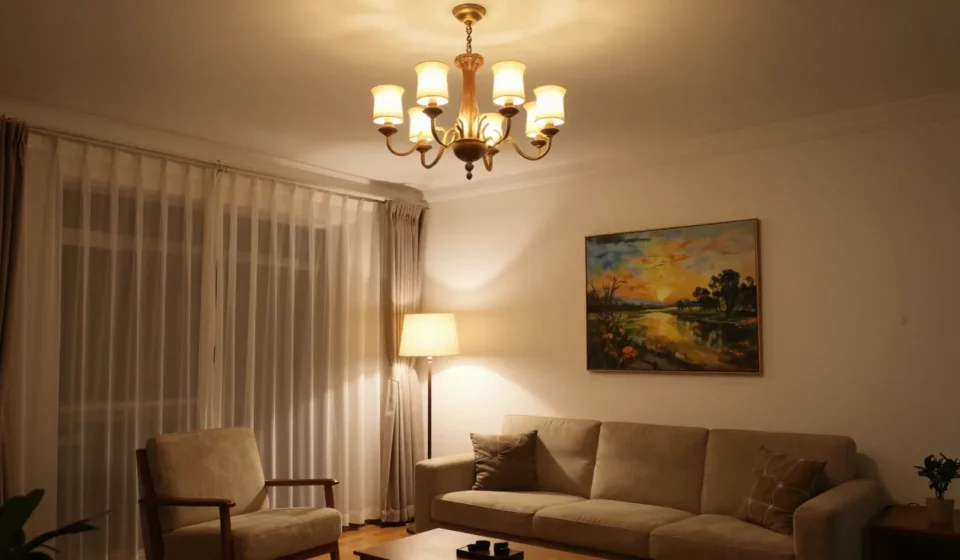
Your ambient layer should evenly fill the room without creating harsh shadows. A flush-mount ceiling light, a chandelier, or multiple recessed cans can do the trick.
For larger rooms, use multiple fixtures controlled by a single dimmer switch.
Dimmers are your best friend when layering light. They allow you to adjust the mood from bright and energetic to soft and cozy.
Install dimmers on all ambient lights to have full control over the atmosphere. A well-planned ambient layer sets the base for your lighting layers ambiance.
Add Task Lighting Where You Need It Most
Illuminate Activities Without Glare
Task lighting is essential for reading, cooking, or working. In the living room, place a floor lamp next to your favorite chair.
In the kitchen, install under-cabinet LED strips to light countertops.
For home offices, a desk lamp with an adjustable arm prevents eye strain. Use warm white bulbs (2700K-3000K) for task areas to keep the light soft and inviting.
Avoid cool blue tones that can feel clinical.
Position task lights so they don’t cast shadows on your work surface. This ensures a clear view without glare and strengthens your lighting layers ambiance.
Layer in Accent Lighting for Drama
Highlight Art, Architecture, and Texture
Accent lighting adds depth and interest. Use picture lights above artwork, track lighting on a textured wall, or uplights behind plants.
This layer draws the eye and creates visual hierarchy in the room.
Aim for accent lights to be three times brighter than ambient light. This contrast naturally pulls focus.
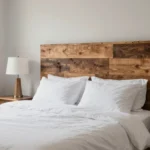
For a subtle glow, try LED tape behind a headboard or under shelves.
Mix Light Sources and Heights
Combine Table Lamps, Floor Lamps, and Sconces
Variety in light fixtures adds visual texture. Place table lamps on side tables, floor lamps in corners, and wall sconces at eye level.
Varying heights prevents a flat look and creates pockets of light.
Use lampshades in complementary colors to soften light and add personality. A mix of metal, fabric, and glass finishes also contributes to the room's overall style.
This combination enhances the lighting layers ambiance in your home.
Use Warm Tones and Dimmers Everywhere
Choose Bulbs with a High CRI
Color temperature matters for ambiance. Stick to warm whites (2700K-3000K) for living spaces.
High CRI (90+) bulbs render colors more naturally, making your decor pop.
Avoid mixing different color temperatures in the same room; it can feel disjointed. Dimmers should be installed on all layers for maximum flexibility.
With one dimmer switch, you can transition from bright daytime cleaning to a romantic dinner setting in seconds.
Layer Lighting in Every Room
Kitchen, Bedroom, and Bathroom Tips
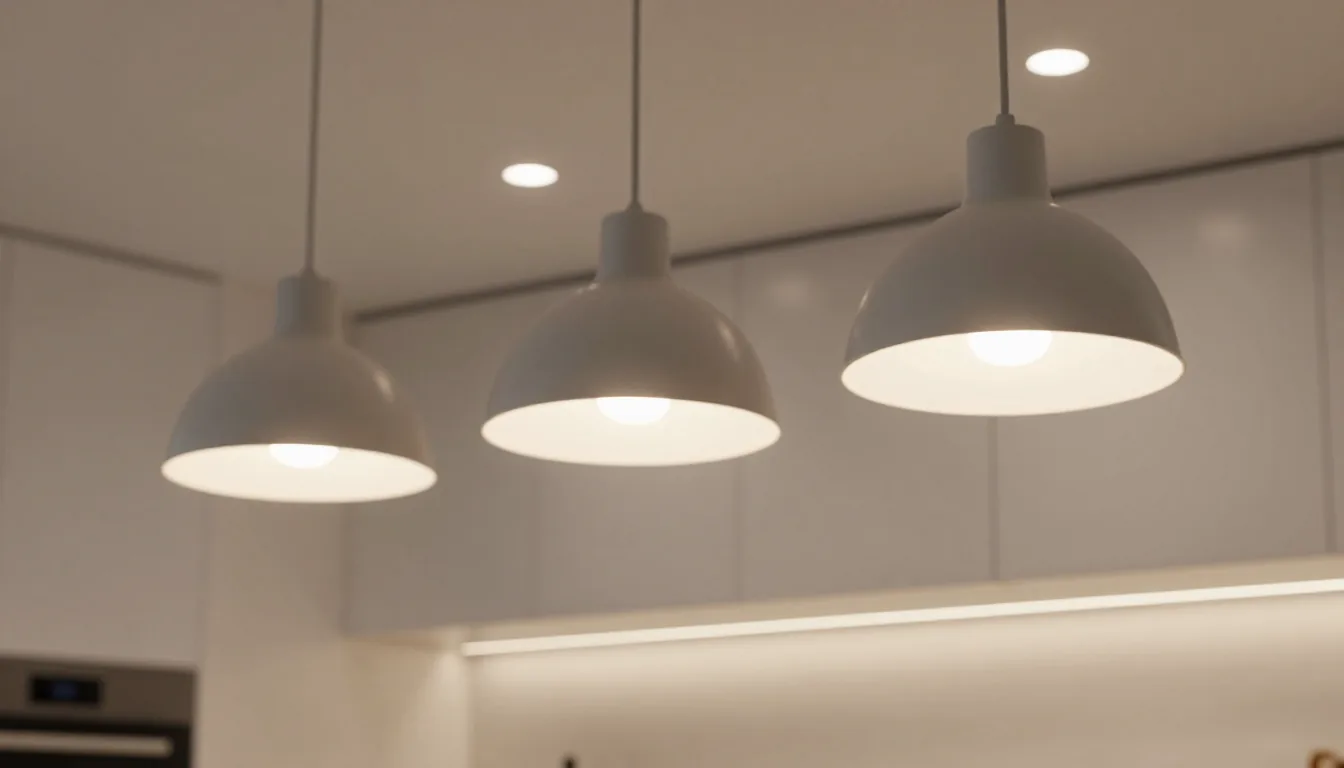
In the kitchen, combine recessed ceiling lights, pendant lights over an island, and under-cabinet task lighting. In the bedroom, use a ceiling fixture with a dimmer, bedside lamps for reading, and accent lights behind the headboard.
For bathrooms, use vanity lights flanking the mirror, a recessed ceiling light, and a wall sconce for drama.
Each room benefits from the three-layer approach. Start with ambient, add task, then finish with accent.
Always plan your lighting before arranging furniture to ensure each layer has proper placement.
Common Mistakes to Avoid
Don’t Rely on One Overhead Light
Overhead lights alone create harsh shadows and a flat appearance. Always incorporate at least two layers.
Also, avoid placing task lights directly overhead—they should come from the side or behind your work area.
Finally, don't forget about natural light. Layer with daylight to save energy and boost mood.
Use sheer curtains to soften daylight and combine with artificial light for a balanced glow.
Achieving the right lighting layers ambiance takes practice, but the results are transformative.
For more Home Decor & DIY inspiration, explore our curated guides. Check out Lighting.com’s layering tips and House Beautiful’s guide for beginners.