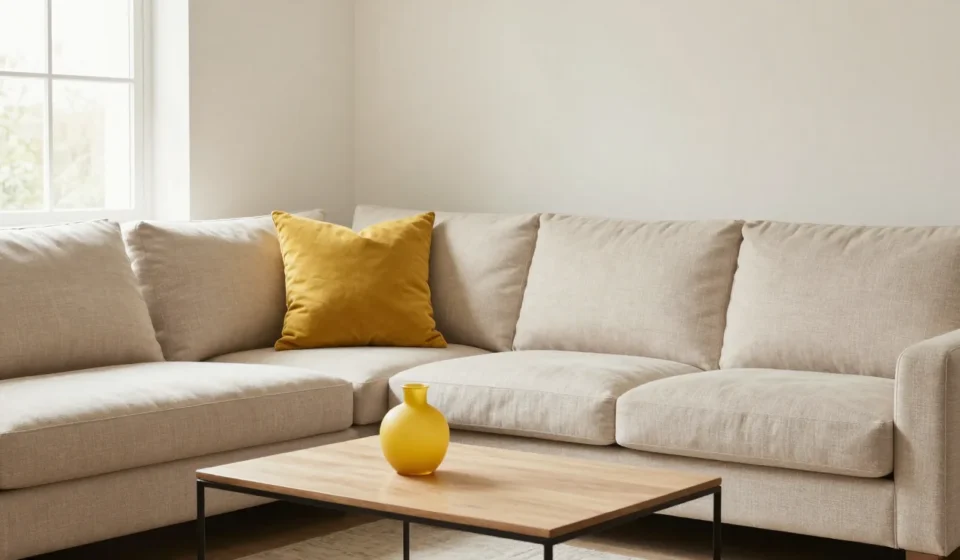

Choosing an accent color can feel daunting, but with a few expert tips for choosing accent color, you’ll create a room that feels cohesive and vibrant. The right hue adds personality without overwhelming your space.
It's all about balance. An accent color should complement your base palette, not compete with it.
Think of it as the jewelry for your room—a pop that draws the eye.
Essential Tips for Choosing Accent Color
One of the top tips for choosing accent color is to consult the color wheel as your guide. This tool helps you see which hues naturally harmonize or contrast.
For example, if your base is neutral, you can choose almost any accent. But if you have a colored wall, a complement from the opposite side of the wheel creates a striking effect.
Understanding the 60-30-10 Rule
This classic design principle is your best friend. 60% of the room is your dominant color (walls), 30% is your secondary color (furniture), and 10% is your accent color (accessories).
Stick to this ratio for a harmonious look. Your accent color should appear in small doses—think throw pillows, art, or a single vase.
Pick One Star Hue
Don’t use multiple accent colors in one room unless you’re experienced. Start with one bold shade and repeat it 2-3 times.
For example, if you choose mustard yellow, use it in a pillow, a small rug, and a picture frame. This creates a cohesive thread.
Draw Inspiration from Your Existing Decor
Look at your largest patterned piece—a rug, sofa, or curtains. Pull a subtle color from that pattern to use as your accent.
This guarantees harmony. If your rug has hints of teal, try teal accessories.
It's a foolproof way to tie the room together.
Test Before You Commit
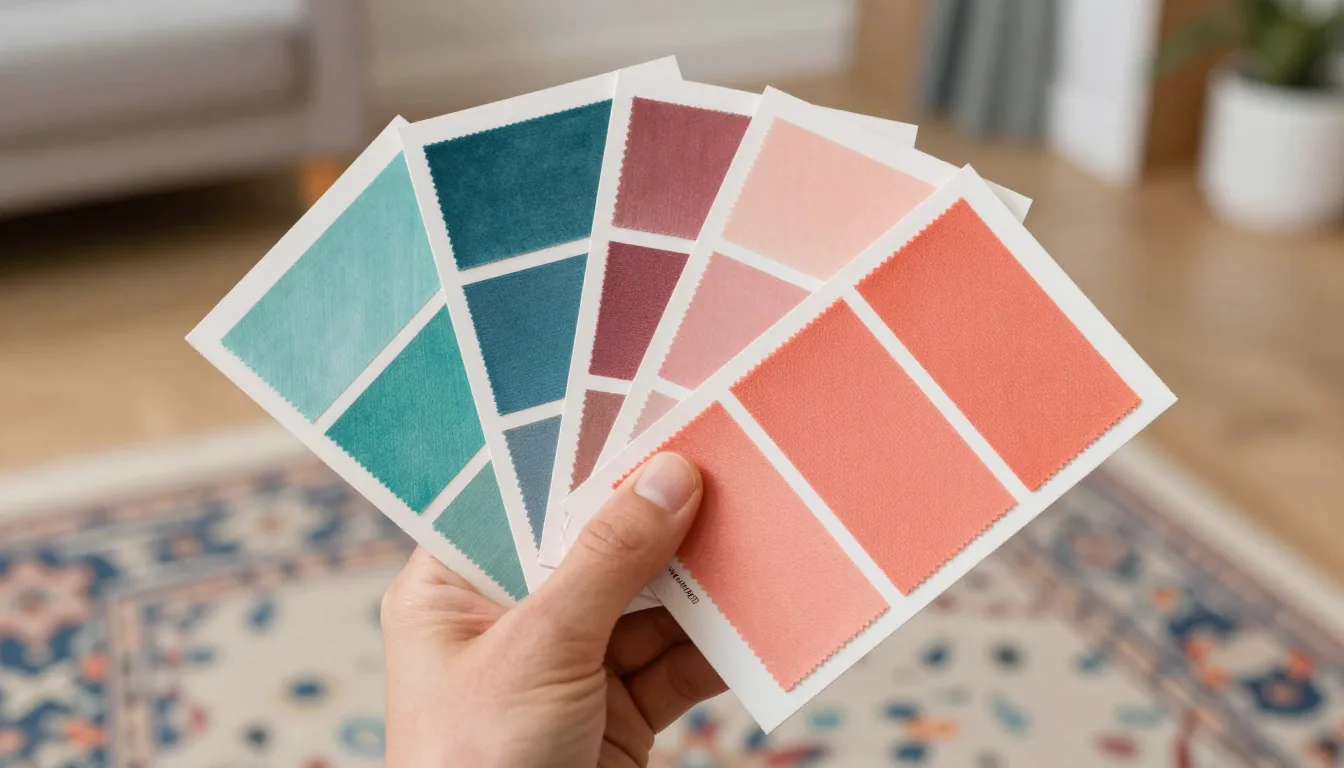
Never buy accent pieces without testing. Grab paint swatches or fabric samples and place them in the room at different times of day.
Lighting changes everything. What looks fabulous in the store may feel flat under your lamps.
Live with samples for a few days.
Consider Mood and Psychology
Colors affect how you feel. Want a calm bedroom?
Choose a soft blue or sage green as your accent. For a lively dining room, go with coral or mustard.
Think about the room’s purpose. Your tips for choosing accent color should always prioritize the vibe you want to create.
For a home office, yellow can boost creativity. For a cozy den, deep burgundy adds warmth.
Use the Color Wheel Wisely
Analogous colors (next to each other on the wheel) create subtle harmony. Complementary colors (opposite) create high contrast drama.
If your base is neutral, almost any accent works. If you have a colored wall, pick an accent from the opposite side for pop.
For instance, if your walls are a neutral beige, an accent of deep navy creates a sophisticated look. This is a key tip for choosing accent color that works every time.
Don’t Forget Texture and Finish
Accent colors aren’t just about hue; texture matters. A velvet pillow in your accent color feels richer than a flat cotton one.
Similarly, glossy finishes reflect light and make colors appear more intense. Matte finishes are softer and more subdued.
Mix textures to add depth. A shiny brass lamp and a woven throw can both carry your accent color.
Remember, these tips for choosing accent color extend beyond paint. A glossy ceramic vase in your accent shade can really pop.
Start Small and Build Confidence
If you’re nervous, begin with easily changeable items like throw pillows, books, or a small vase. You can always swap them out later.
Once you’re comfortable, try a painted accent wall or a bold piece of furniture. Remember, these are just Home Decor & DIY projects—have fun!
If you’re cautious, try a single accent chair first. These practical tips for choosing accent color will help you avoid costly mistakes.
For more color theory inspiration, check out Sessions College Color Calculator or Better Homes & Gardens Color Basics.