
Choosing between classic charm and sleek simplicity can feel overwhelming. That’s where understanding the vintage vs modern debate helps you decide what truly fits your lifestyle and budget. Let’s break down the key differences so you can pick the style that makes your heart sing.
Vintage vs Modern: What Sets Them Apart?
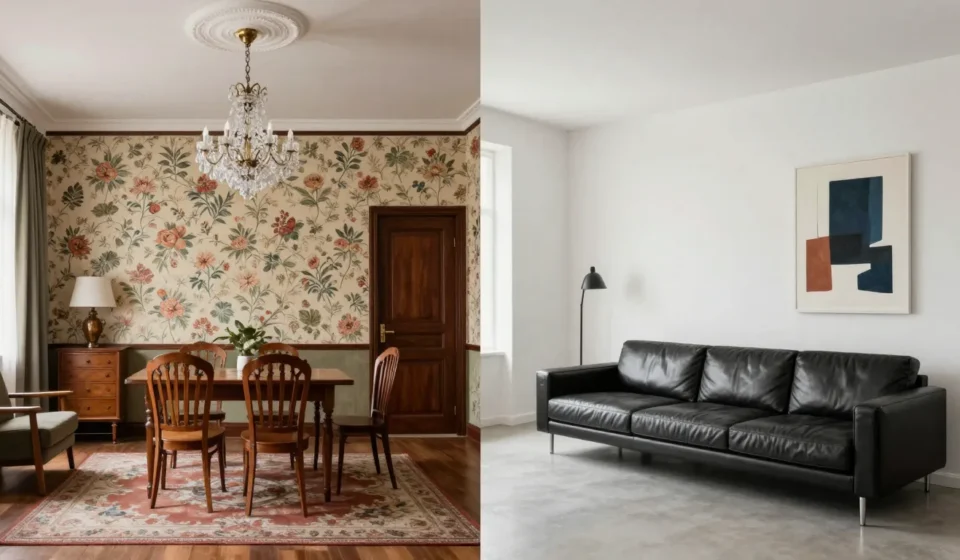
Vintage decor embraces pieces from the past—typically 20 to 100 years old—with rich details, patina, and storytelling. Modern design, on the other hand, focuses on clean lines, minimalism, and function-first aesthetics.
Each has its own vibe: one feels cozy and collected, the other airy and intentional.
Key Characteristics to Consider
When evaluating vintage vs modern, start by understanding their core visual traits. These characteristics influence everything from furniture selection to color palettes.
Old-World Charm
Vintage interiors thrive on ornate furniture, floral patterns, and warm wood tones. Think tufted sofas, clawfoot tubs, and brass accents.
These elements create a sense of history and nostalgia that many find comforting.
Sleek Simplicity
Modern decor strips away excess. You'll see neutral palettes, geometric shapes, and materials like glass, metal, and concrete.
The goal is open space and clutter-free surfaces that feel calm and organized. For instance, a modern living room might feature a low-profile sofa and a simple coffee table.
Cost Comparison: Budget-Friendly or Investment?
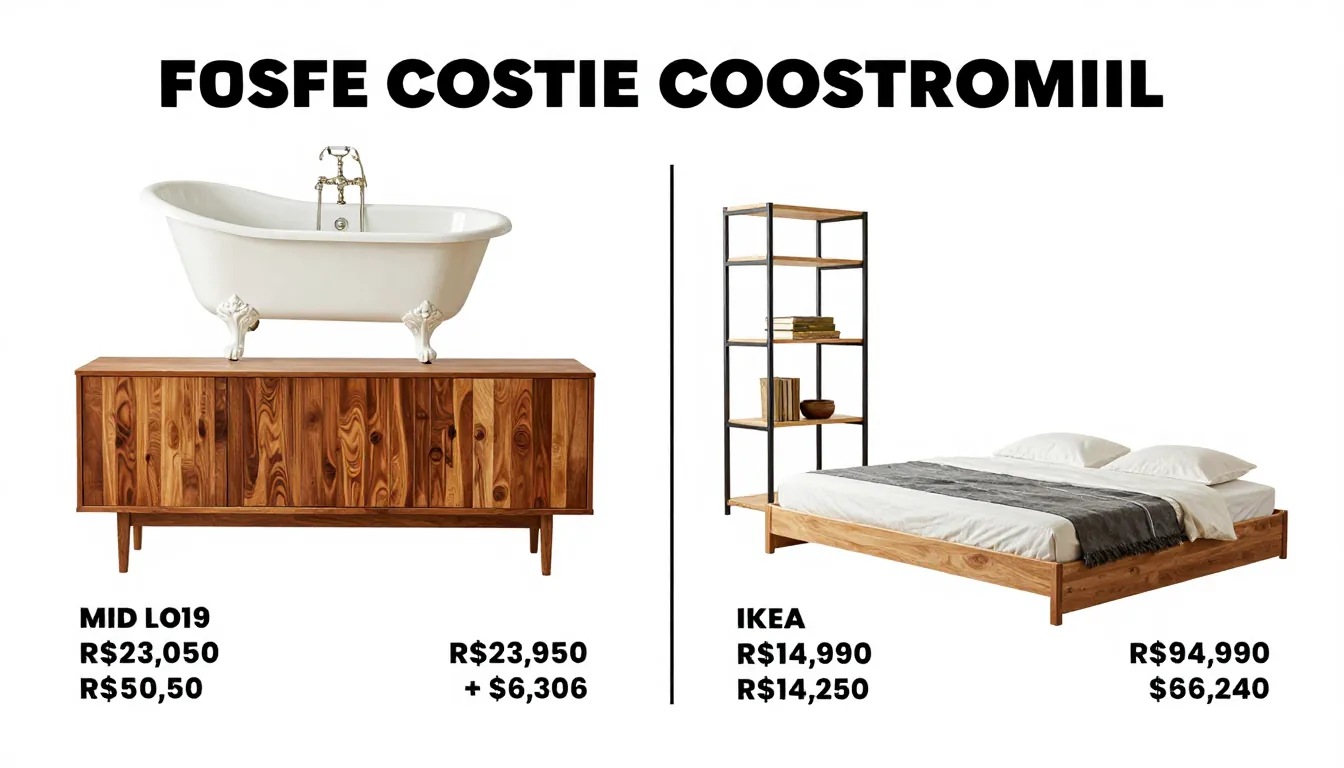
Vintage can be surprisingly budget-savvy if you're willing to hunt at thrift stores and flea markets. A solid wood dresser from the 1950s might cost less than a new particleboard piece.
However, rare or high-quality antiques can be pricey investments.
Modern furniture often comes in a wide price range, from affordable IKEA to premium designer brands. Generally, you can furnish a whole room on a tight budget with modern pieces.
But trendy items may lose value faster than timeless vintage finds.
When weighing vintage vs modern decor, consider long-term value. A genuine mid-century chair may appreciate over time, while a modern replica does not.
Both styles offer options for every budget, but your priorities matter.
- Vintage: Potential bargains, but higher maintenance and restoration costs.
- Modern: Predictable pricing, easy to replace, but can feel generic.
Maintenance: Which Style Requires More Upkeep?
Vintage items need love—wood polishing, reupholstering, and careful cleaning. Metal parts may rust, and fabrics might fray.
If you enjoy hands-on care, this can be a rewarding hobby. If you prefer low-maintenance living, modern pieces with durable synthetic fabrics and sealed surfaces demand less effort.
Modern furniture is designed for easy cleaning and longevity. Wipe down laminate, vacuum microfiber, and you're done.
But beware of cheap materials that may not hold up as well as solid vintage wood. The maintenance differences between vintage vs modern directly impact your daily routine.
How to Mix Vintage and Modern
Blending both styles creates a unique, personalized look. Pair a vintage wooden dining table with modern Eames chairs for contrast.
Or add a sleek contemporary sofa to a room with antique side tables. The key is balance—let one style dominate while the other accents.
Experiment with textures and patterns to create visual interest without clashing.
Making the Final Decision
Consider your daily lifestyle. Do you have kids or pets?
Modern's easy-clean surfaces win. Love character and don't mind repairs?
Go vintage. Your budget also plays a role.
Ultimately, the choice between vintage vs modern comes down to what makes you happy.
For more Home Decor & DIY inspiration, check out our guides on mixing periods. And explore these external resources for deeper dives: Architectural Digest’s Guide to Modern Decor and Houzz’s Vintage Decor Ideas.
Remember, the best style is the one that makes you smile every time you walk through the door. Happy decorating!