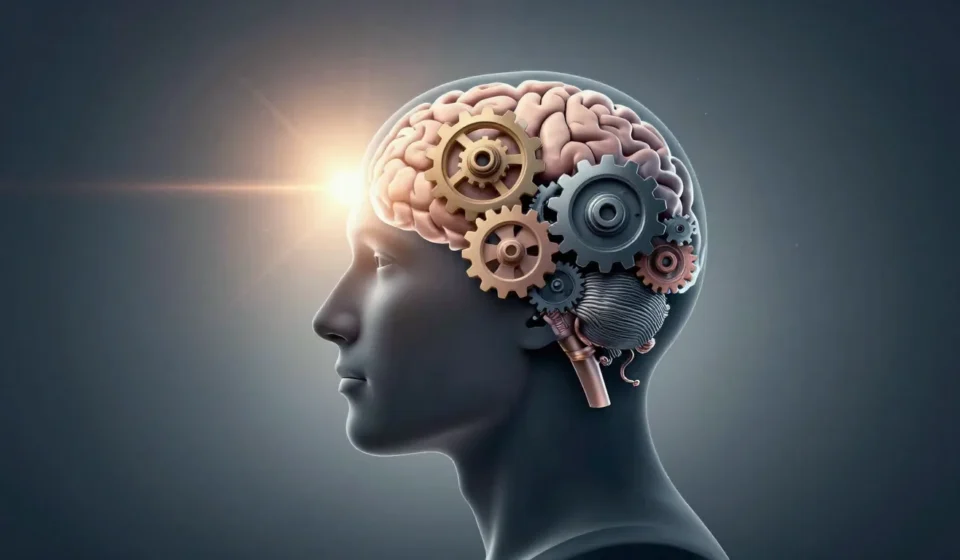

Introduction: The Hidden Architects of Your Mind
Your brain is a remarkable pattern-matching machine, but it often cuts corners, creating mental shortcuts called cognitive biases that distort your perception and keep you trapped in unhelpful patterns. Understanding cognitive biases growth means learning to spot these traps and rewire your thinking for clearer decisions and greater personal development. Embracing this concept allows you to transform these mental shortcuts into opportunities for deeper self-awareness.
This article explores five common biases that hold you back and offers practical countermeasures. By the end, you’ll have a toolkit to navigate your inner landscape with more wisdom and less friction.
Confirmation Bias: The Echo Chamber of the Mind
Confirmation bias is the tendency to seek out information that confirms your existing beliefs while ignoring contradictory evidence. It reinforces your worldview and blocks objective growth.
Overcoming this bias is essential for cognitive biases growth because it opens your mind to new perspectives.
How to counter it: Actively seek out opposing viewpoints. Set aside time each week to read articles or listen to podcasts that challenge your assumptions. Ask yourself, “What would I need to see to change my mind?”
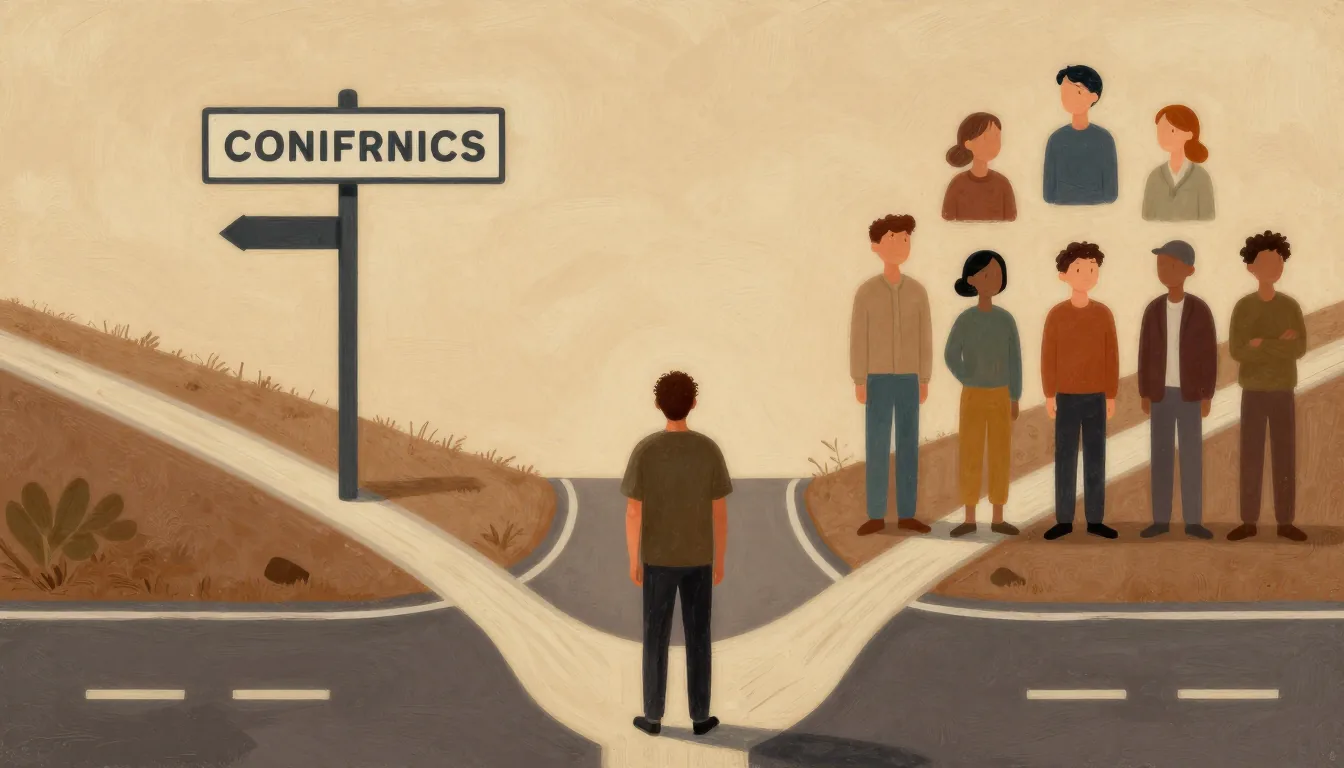
Anchoring Bias: The Trap of First Impressions
Anchoring occurs when you rely too heavily on the first piece of information you receive (the "anchor") when making decisions. This can lead to poor choices in negotiations, goal setting, and self-perception.
Anchoring can be a significant hurdle in cognitive biases growth, but with awareness, you can overcome it.
How to counter it: Before making a decision, generate multiple alternative anchors. For example, when setting a salary expectation, research a range of values rather than fixating on one number. Similarly, in personal growth, don’t let one setback define your potential.
The Dunning-Kruger Effect: Overconfidence vs. Competence
This bias describes how people with low ability at a task overestimate their skill, while experts often underestimate theirs. It can prevent you from seeking the learning you need.
Recognizing this bias is a crucial step in cognitive biases growth, as it builds humility and a desire for continuous improvement.
How to counter it: Embrace a humble learning mindset. After completing a task, ask for honest feedback from someone more experienced. Keep a journal of your mistakes and lessons learned to calibrate your self-assessment over time.
Sunk Cost Fallacy: When Investment Becomes a Prison
The sunk cost fallacy is the tendency to continue a behavior or endeavor because of previously invested resources (time, money, effort), even when it's no longer rational. This keeps you stuck in failing projects or relationships.
Letting go of sunk costs is a powerful practice for cognitive biases growth, freeing you to pursue what truly matters.
How to counter it: Practice decision-making based on future value, not past costs. Ask yourself: “If I had no history with this, would I start now?” Let go of what no longer serves you, and redirect your energy to what aligns with your current goals.
Hindsight Bias: The Distortion of “I Knew It All Along”
Hindsight bias is the inclination to see past events as more predictable than they actually were. This can lead to overconfidence and prevent learning from mistakes because you feel you already knew the outcome.
Combating hindsight bias is vital for cognitive biases growth, as it encourages honest reflection.
How to counter it: Before an event, write down your predictions and reasoning. Afterward, compare them to reality. This practice reveals how much you truly knew and highlights gaps in your understanding, turning hindsight into a learning tool.
Conclusion: Turning Cognitive Biases Growth into a Lifelong Practice
Recognizing these biases is the first step, but consistent application of counter-strategies is what transforms insight into lasting change. Consistent practice of these counter-strategies is the key to cognitive biases growth. By integrating these practices into your daily life, you’ll make wiser decisions and accelerate your personal growth journey.
For deeper exploration, check out resources like Psychology Today’s guide on cognitive biases and Wikipedia’s comprehensive list. Remember, the goal isn’t to eliminate biases—it’s to be aware of them so they no longer control you.