

Why a 90-Day Framework Works
A personal growth plan is your roadmap to becoming the person you aspire to be, and this 90-day blueprint provides the structure to make it happen. Short-term goals create urgency while allowing flexibility, and a 90-day window provides enough time to see real change without losing momentum.
This duration aligns with natural cycles of habit formation, giving you a comfortable buffer for transformation.
Moreover, a 90-day period feels substantial yet finite. It invites commitment without the overwhelm of a year-long resolution.
When you commit to a personal growth plan, you plant seeds for transformation. The 90-day framework nurtures consistent action and reflection.
Defining Your Personal Growth Plan Vision and Priorities
Embarking on this journey is like planting a garden; it requires intention, patience, and consistent care. This 90-day blueprint will nurture your inner landscape.
Before diving into tactics, clarify what growth means to you. Ask yourself: What areas of my life need attention?
Health, career, relationships, or inner peace?
Write down three core priorities for the next 90 days. Keep them specific and meaningful to avoid scattered efforts.
Your vision becomes the soil in which your goals will grow.
Setting SMART Goals for Each Priority
Transform vague aspirations into SMART goals: Specific, Measurable, Achievable, Relevant, Time-bound. For example, instead of ‘get fit,’ say ‘exercise 30 minutes five times a week.’
Break each 90-day goal into monthly and weekly milestones. This makes progress tangible and reduces overwhelm.
Each small step feeds the larger journey.
Creating Your Daily and Weekly Routines
Your personal growth plan thrives on consistent small actions. Design a morning ritual that includes reflection, learning, or movement.
Schedule weekly reviews to assess what works and adjust. Use a journal or app to track habits and insights.
Routine becomes the rhythm of growth.
Remember, consistency matters more than intensity. A single daily habit repeated for 90 days can reshape your life.
The Power of Accountability
Share your plan with a trusted friend or coach. Regular check-ins boost commitment and provide gentle course correction.
Join a community focused on Personal Growth for shared inspiration. External support can turn struggle into strength.
When you announce your intentions, you invite the universe to help you. Accountability is the mirror that reflects your progress.
Overcoming Common Obstacles
When your personal growth plan hits a roadblock, remember that resistance is part of the journey. Plan for it by using habit stacking or environment design.
Practice self-compassion if you miss a day. One slip does not erase progress; get back on track tomorrow.
The path is not always straight.
Identify your common triggers for derailment. Prepare responses in advance.
This foresight turns obstacles into stepping stones.
Measuring Progress and Celebrating Wins
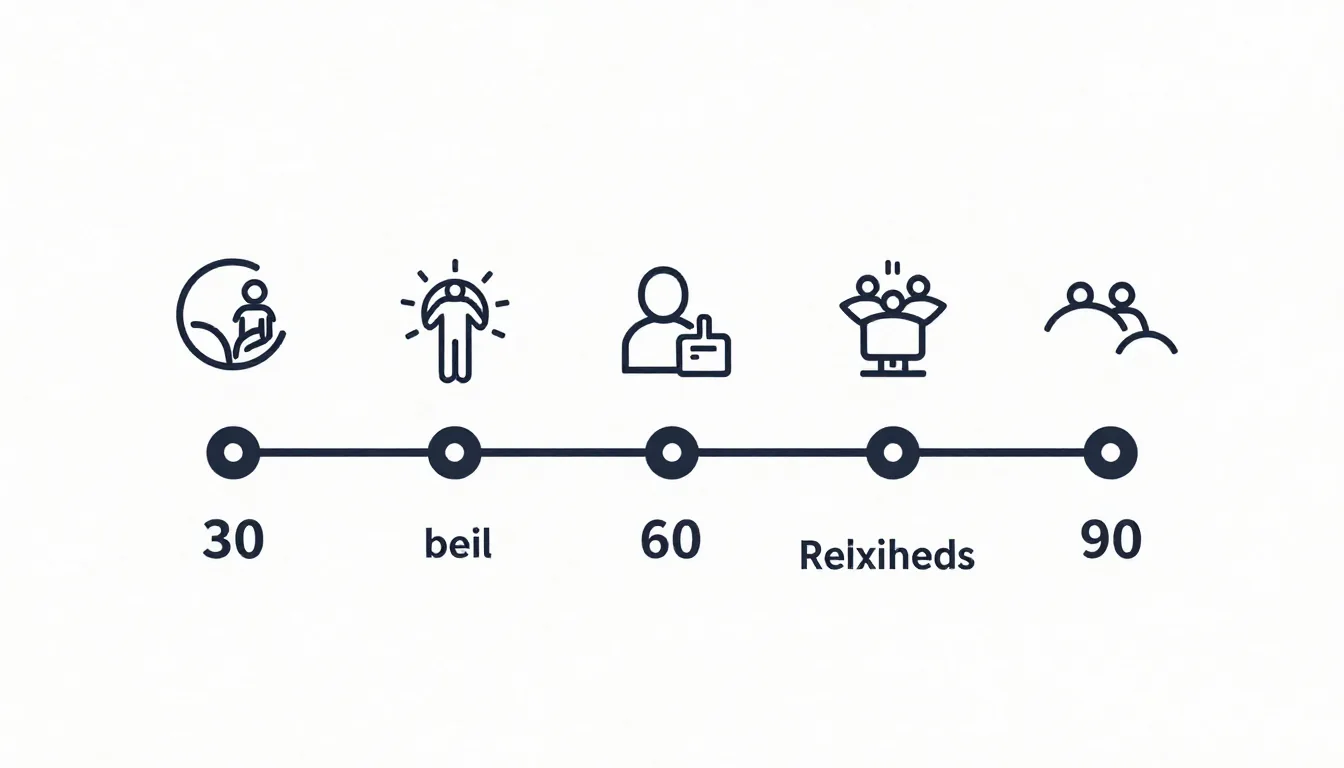
As you follow your personal growth plan, set checkpoints at 30, 60, and 90 days. Review your journal and note accomplishments, no matter how small.
Celebrate milestones to reinforce positive momentum. Rewards can be as simple as a favorite meal or a day off.
Measuring progress not only tracks growth but deepens your understanding of your own journey. Each checkpoint is a chance to honor your effort.
Reflect on the lessons learned during each checkpoint—what did you discover about yourself? How did you overcome challenges?
This reflection feeds the next cycle of growth.
Adjusting Your Plan for Continuous Growth
After 90 days, evaluate what worked and what didn’t. Update your personal growth plan with fresh priorities based on lessons learned.
Remember that growth is a spiral, not a line. Each cycle builds on the previous, deepening your understanding and capacity.
Your personal growth plan evolves with you. Embrace the process as a lifelong companion on the journey to becoming your fullest self.
The garden of your life blooms season after season, each cycle richer than the last.
For more on goal setting, visit MindTools. To dive deeper into habit formation, check out James Clear’s guide. For psychological insights, read this study on self-regulation.