
The Fermi Paradox: An Overview
The Fermi Paradox highlights the contradiction between the high probability of alien life and the lack of evidence for it. Physicist Enrico Fermi famously asked, “Where is everybody?” This question has sparked decades of debate among scientists and enthusiasts.
The Great Silence
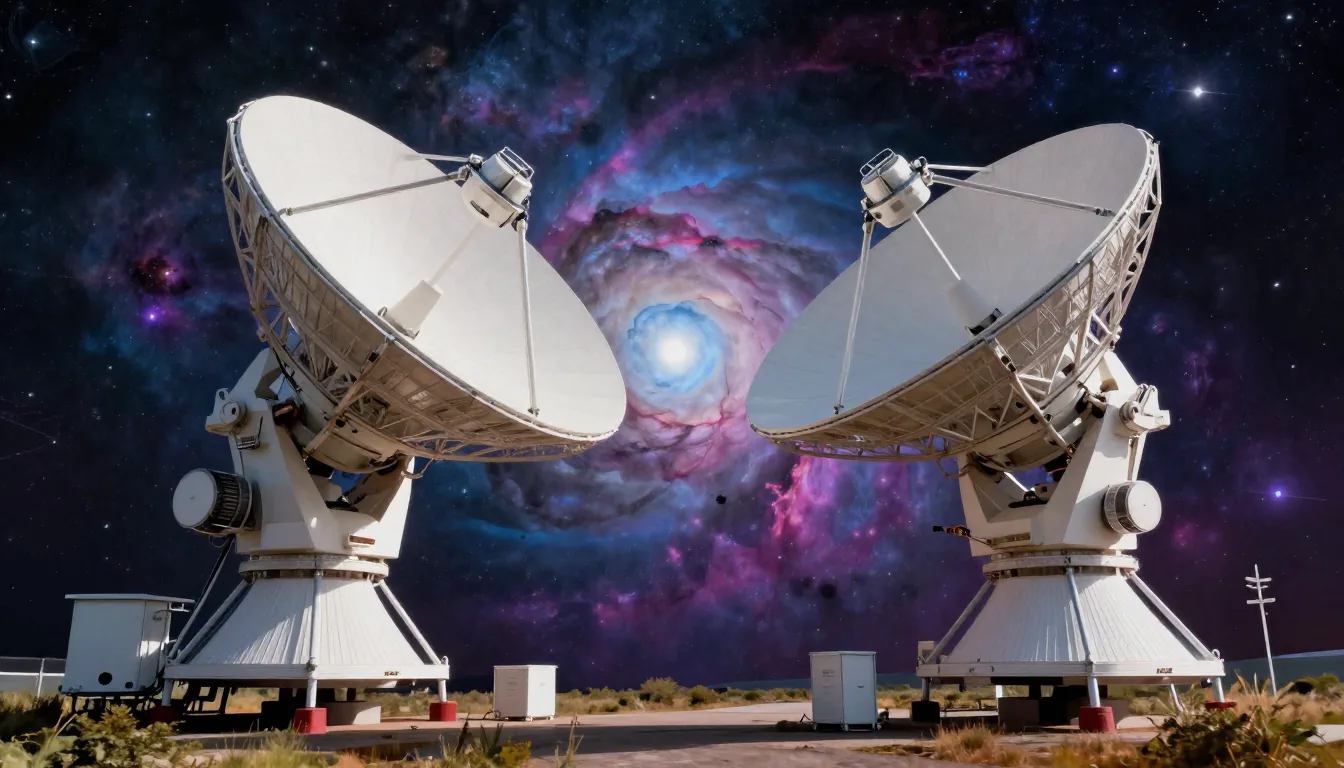
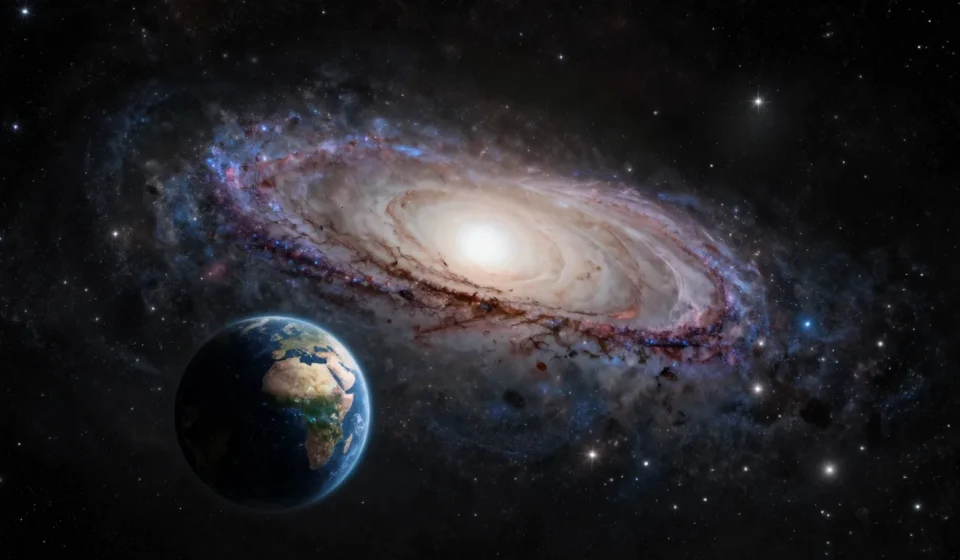
Despite scanning the cosmos for decades, we have detected no verified signals from extraterrestrial civilizations. This silence is puzzling given that our galaxy hosts billions of Earth-like planets.
Many assume technological species should be common, yet we see no probes, no transmissions, no megastructures.
Some argue that advanced civilizations may deliberately hide their presence. Others propose that intelligent life is inherently short-lived.
The silence itself might be the most important clue about our place in the universe.
The Drake Equation
Frank Drake's famous equation estimates the number of communicative civilizations in our galaxy. It multiplies factors like star formation rate and fraction of planets that develop life.
Depending on assumptions, the number can range from one (us) to millions. This uncertainty fuels the paradox.
Recent exoplanet discoveries show that rocky planets in habitable zones are common. Yet the equation's biggest unknowns are the likelihood of life arising and developing technology.
These unknowns lie at the heart of the Fermi Paradox.
The Rare Earth Hypothesis
This idea suggests that complex life requires an improbable chain of events. For instance, our large Moon stabilizes Earth's axis, and Jupiter deflects comets.
Such unique conditions may make technological species extremely rare.
If Earth is truly rare, then the Fermi Paradox is resolved: we simply have no neighbors. But recent exoplanet data hint that such conditions might not be as unique as once thought.
The debate continues.
Proposed Solutions
Scientists have offered many explanations for the Fermi Paradox. One popular idea is the Great Filter — a highly improbable step that prevents most life from becoming spacefaring. This filter could lie in our past or future, with profound implications for humanity.
Another hypothesis is the Zoo Hypothesis, which proposes that advanced civilizations intentionally avoid contact to let us evolve naturally. They might observe us from a distance, like wildlife rangers. This explains the silence while allowing for abundant life.
A darker possibility is that all civilizations eventually self-destruct through war, environmental collapse, or technological singularity. The Fermi Paradox then becomes a warning: we may be alone not because space is empty, but because time is brief.
Are We Living in a Simulation?
Philosophers and technologists have also considered the simulation hypothesis. If advanced civilizations run simulations of their ancestors, we might be in one.
In that case, the lack of alien contact could be a deliberate design. While speculative, this idea highlights the limits of our knowledge.
Another unsettling possibility is that all civilizations eventually destroy themselves through war, environmental collapse, or technological singularity. The Fermi Paradox then becomes a warning: we may be alone not because space is empty, but because time is brief.
What Does This Mean for Humanity?
The Fermi Paradox forces us to reconsider our cosmic significance. If the Great Filter lies ahead, our survival depends on overcoming existential threats.
If it lies behind, we might be the first intelligent species in our galaxy. Either way, the responsibility is enormous.
Efforts like the SETI Institute continue to scan the skies, hoping to break the silence. Meanwhile, missions to Mars and exoplanet studies aim to find microbial life, which would suggest that simple life is common. The answer to Fermi’s question may arrive within our lifetime—or never.
For more on this topic, see the Fermi Paradox article on Wikipedia, Space.com’s coverage, and NASA’s exoplanet exploration page.