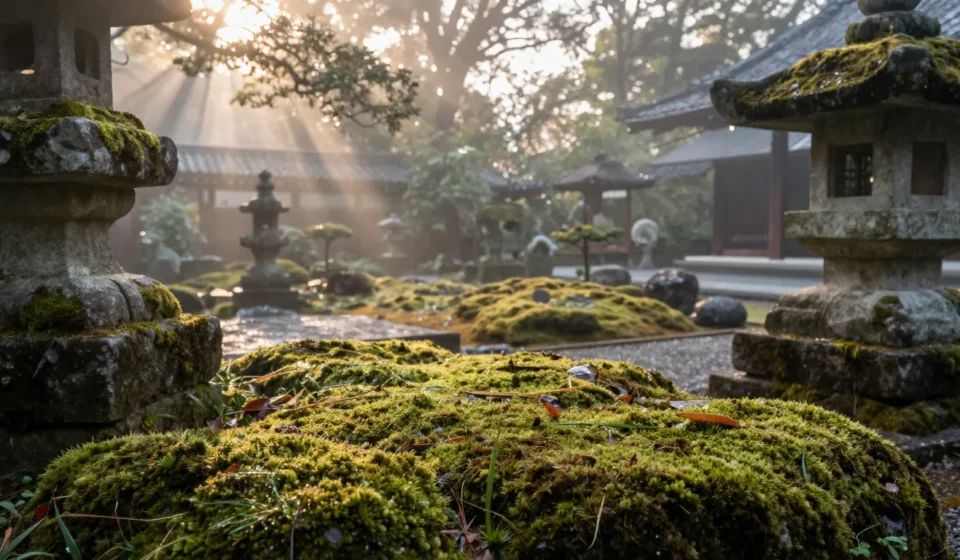

Finding Kyoto temples quiet times is an art as delicate as the moss that carpets their ancient gardens. Most visitors rush through the iconic sites, but the true magic awaits those who seek the hours when the crowds melt away and silence returns. These moments of stillness transform a simple visit into a profound experience.
The Hour Before Dawn
The first slivers of light paint the wooden beams of Kodaiji Temple in soft amber. Arrive just after the gates open at 6:00 a.m., and you'll witness the precincts in a state of hushed reverence.
The gravel crunches underfoot, each step echoing in the stillness.
Before the tour buses disgorge their passengers, the gardens belong to you alone. The moss glistens with dew, and the only sound is the distant chime of a temple bell. This is the essence of Kyoto temples quiet times: the pause between night and chaos.
Consider booking a meditation session at Kenninji Temple, where the morning chanting blends with the rustling bamboo. Such activities deepen the sense of peace during these Kyoto temples quiet times before the city stirs.
Winter’s Hush
Winter offers a unique window of solitude. From mid-January to early February, the city sees its lowest tourist numbers.
The famous bamboo grove at Tenryuji holds its breath under a frosty sky, and the stone garden at Ryoanji invites uninterrupted contemplation.
Wrap up warmly and wander the northern hills. Otagi Nenbutsuji, with its hundreds of moss-covered statues, feels almost otherworldly on a chilly Tuesday morning.
The air smells of cedar and woodsmoke, and you might have the whole hillside to yourself. Here, the silence is so deep you can hear the snow melting.
Kyoto Temples Quiet Times: The Winter Window
This late-January week is arguably the best-kept secret for those chasing silence. Temples like Adashino Nenbutsuji and Gioji are nearly empty.
The autumn leaves have fallen, and the cherry blossoms are months away, but the stark beauty of bare branches against grey skies is haunting. It's a photographer's dream and a meditator's paradise.
The Golden Afternoon Lull
Between 2 and 3 p.m., many temples experience a natural lull as tour groups head for lunch. This is an ideal time to visit the less-frequented zen gardens of the north, like Shodenji.
The afternoon light filters through paper screens, illuminating dust motes dancing in the air.
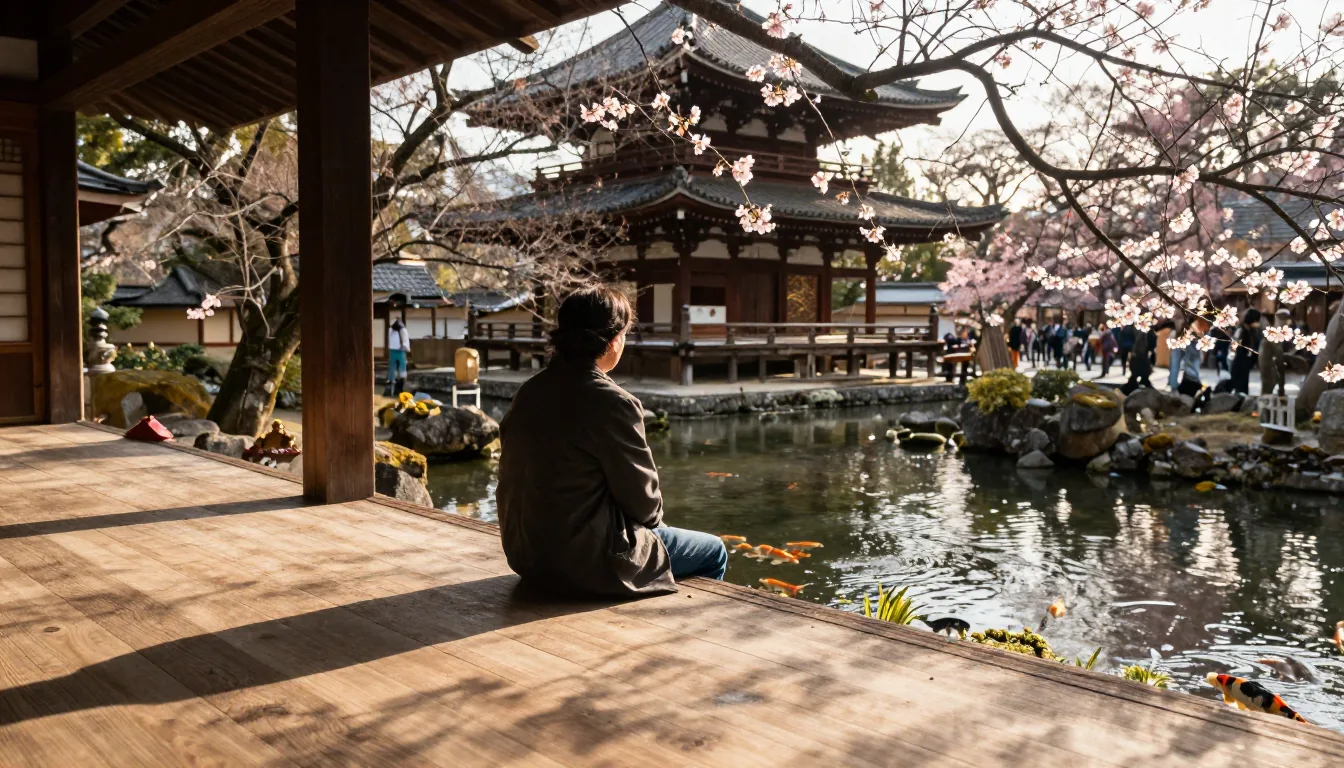
Sit on the wooden veranda and let the stillness seep into your bones. The only movement is the slow crawl of a caterpillar on a stone. This is when you truly feel the ancient spirit of Travel & Exploration that transcends mere sightseeing.
During this lull, the temple’s caretakers often perform small rituals, offering a glimpse into monastic life. These quiet hours are among the most rewarding for those seeking Kyoto temples quiet times away from the midday rush.
Secret Temples of the Northwest
Away from the crowds of Arashiyama and Higashiyama, the northwest district holds treasures like Jojakkoji. Its pagoda stands amid a forest of maple trees, and on a late autumn afternoon, the leaves blaze in fiery oranges.
But even in the off-season, the tranquility is profound. You can also visit nearby Kozanji Temple, famous for its scroll of frolicking animals.
The Ritual of Closing Time
As dusk approaches, many temples offer a final opportunity for quiet reflection. Stay until the last call at Kinkakuji, when the golden pavilion glows against the darkening sky.
The crowds thin, and you can hear the soft lapping of water against the pond's edge.
The monks begin their evening prayers, and the scent of incense drifts through the corridors. This is the moment when Kyoto reveals its soul: not in the bustle of midday, but in the gentle transition from day to night. For those who cherish quiet moments, these are the true Kyoto temples quiet times that will linger in memory long after you leave.
For more on Japan’s hidden corners, check Japan Guide or Kyoto Temples Official Site.