
Beyond the Minaret: A Traveler’s Guide to Respectful Mosque Visits in the Middle East

The Call to Understanding: Why Mosque Visit Etiquette Matters
Stepping into a mosque in the Middle East is more than a tourist stop; it’s an entrance into a living, breathing sanctuary of faith. The mosque visit etiquette you bring shapes not only your experience but also the impression you leave on the local community. I remember my first time at the Sultan Ahmed Mosque in Istanbul—the Blue Mosque—and how a gentle usher corrected my scarf, tucking it over my collarbone with a patient smile.
These moments remind us that visiting a mosque is a privilege, not a right. Understanding the unspoken rules allows you to move beyond being a spectator and become a respectful guest.
Mastering mosque visit etiquette begins before you arrive, with thoughtful preparation.
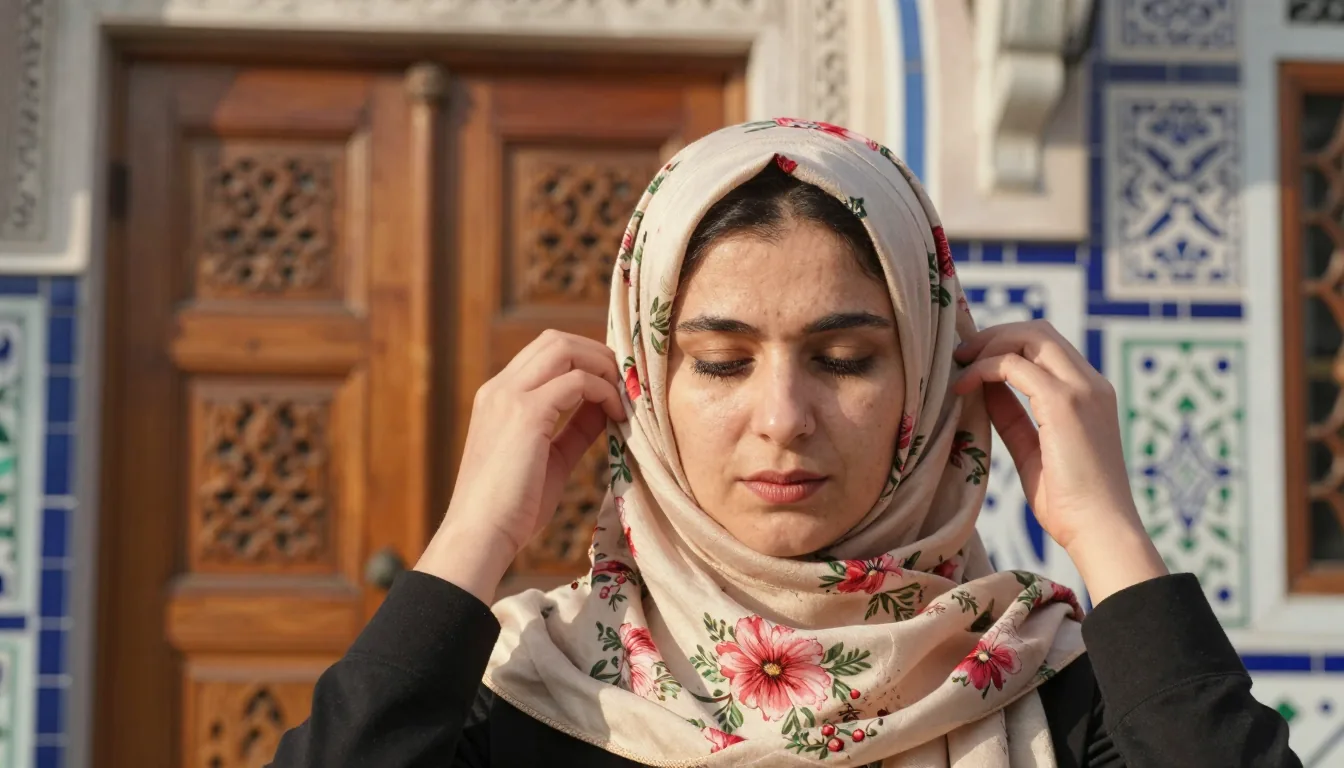
Dress Code: The First Gesture of Respect
Before you step through the grand archway, your attire speaks volumes. For women, this means covering your hair with a scarf that fully conceals your neck and chest.
Loose, long-sleeved tops and ankle-length skirts or pants are essential—tight or see-through fabrics defeat the purpose. Part of proper mosque visit etiquette is dressing modestly to show reverence.
Men should wear long trousers and shirts that cover the shoulders. Avoid shorts, sleeveless shirts, and anything with offensive logos.
Many mosques provide loaner robes and scarves, but bringing your own ensures comfort and shows you’ve thought ahead.
Shoe Removal: A Barefoot Pause
At the entrance, you’ll find rows of shelving for shoes. Remove them quietly and place them neatly.
Socks are generally fine, but if the floor is cold or you’re worried about cleanliness, carry a pair of thick socks.
In some mosques, like the Great Mosque of Sheikh Zayed in Abu Dhabi, you may be given shoe covers for certain carpeted areas—follow the lead of those ahead of you. This practice is part of mosque visit etiquette, symbolizing purity.
Remember: the soles of your shoes carry the dust of the outside world; leaving them behind is a symbolic act of purification.
Timing Your Visit: When to Go and When to Stay Away
Mosques are active places of worship five times a day. The most crowded times are Friday noon prayers (Jumu’ah) and during Ramadan evenings.
Avoid visiting during prayer times, especially the 15–20 minutes after the call to prayer (adhan) when the faithful are prostrating. Respecting mosque visit etiquette means avoiding these times to allow worshippers privacy.
Check the mosque’s schedule online or ask at your hotel. Many major mosques have designated visiting hours for tourists, often in the morning between 8:00–11:30 AM and again after afternoon prayers.
Arrive early to enjoy the quiet before the flow of worshippers.
Behavior Inside the Prayer Hall
Once inside, silence your phone and speak in hushed tones. Walk calmly, never run.
Avoid walking in front of someone who is praying; instead, walk behind or around them.
Photography is often allowed, but never of people during prayer—and flash is almost always prohibited. Proper mosque visit etiquette requires silence and respect for all worshippers.
If you see a section cordoned off, especially in the front or for women, do not cross it. In many mosques, the main prayer hall is reserved for men, while women pray in a separate gallery.
Respect these boundaries without question.
Interacting with Worshippers and Guides
Many mosques offer free guided tours led by volunteers or imams. These are golden opportunities to ask respectful questions about Islam, architecture, and daily practices.
Accept any offered refreshments—dates and water—as a gesture of hospitality.
Avoid political or theological debates. Instead, focus on shared human values: peace, community, and the beauty of the space.
A simple “Salaam Alaikum” (peace be upon you) goes a long way.
Women’s Specific Considerations
Beyond headscarves, women should be prepared for separate entrances or prayer areas. In some mosques, like the Al-Haram Mosque in Mecca (which non-Muslims cannot enter), women have designated sections.
For tourist-accessible mosques, don’t be surprised if a female guide escorts you—it’s for your comfort. Women should be aware of mosque visit etiquette regarding separate areas to avoid confusion.
During menstruation, Muslim women are exempt from praying, but visiting the mosque for contemplation is still allowed. As a visitor, you are welcome regardless, but avoid touching Quranic manuscripts or entering prayer halls if you feel it might cause discomfort or cultural misunderstanding.
Beyond the Walls: What to Do and What to Avoid
Participate in the five pillars if invited—like joining a short prayer or listening to Quran recitation. But never imitate prostration or prayer movements unless you are Muslim.
The courtyard is often a good spot to sit and absorb the atmosphere.
Avoid eating, drinking, or chewing gum in the prayer hall. Public displays of affection are inappropriate.
If you bring children, keep them close and quiet—mosques are places of serenity.
Final Reflection: Travel as a Bridge
My most memorable mosque visit was not at a famous monument but a small neighborhood mosque in Amman, where the imam invited me for tea after the Maghrib prayer. We talked about travel, family, and the shared search for peace.
That moment crystallized why Travel & Exploration matters: it breaks down walls. Understanding mosque visit etiquette enriches the experience and fosters connection.
For further reading, check out Britannica’s overview of mosque architecture and Islamicity’s guide on visiting mosques. Let your curiosity be matched by courtesy, and every threshold you cross will open doors to understanding.