
Understanding the Chemistry Behind Capacity Fade
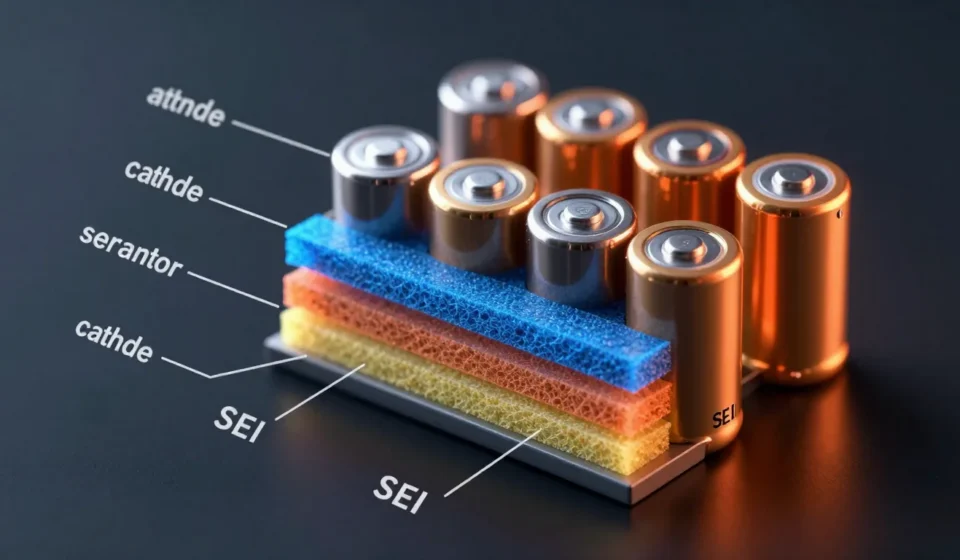
All lithium-ion packs in electric vehicles lose capacity over time due to unavoidable side reactions. EV battery degradation isn’t a defect—it’s a natural consequence of lithium inventory depletion and SEI layer growth.
Calendar aging occurs even when the car sits idle, while cycle aging accumulates each charge-discharge event.
The anode SEI layer consumes active lithium incrementally. Elevated temperatures and high state-of-charge accelerate this parasitic reaction.
Conversely, low temperatures increase internal resistance temporarily but do not cause permanent loss if managed correctly.
Key Factors That Accelerate EV Battery Degradation
1. High Temperature Exposure
Heat is the primary enemy of longevity. Sustained operation above 40°C or storage above 30°C doubles or triples degradation rates.
Thermal management systems mitigate this, but parking in direct sun or aggressive driving in hot climates still stresses cells.
Studies show that every 10°C rise above 25°C doubles the degradation rate. Using preconditioning and parking in shade can mitigate this.
2. Deep Discharge Cycles
Regularly depleting the battery below 10% SOC stresses the cathode. LFP cells handle deeper cycles better than NCA or NMC chemistries, but none are immune.
The ideal discharge floor is around 20% for routine use.
Frequent deep discharges accelerate EV battery degradation because they increase mechanical strain on electrode particles. Avoiding these extremes preserves capacity.
3. Fast Charging Frequency
High C-rates generate internal heat and lithium plating. While occasional DC fast charging is fine, relying on it daily—especially at high SOC—accelerates degradation.
AC Level 2 charging is gentler for most packs.
Data indicates that limiting DC fast charging to once per week can reduce degradation by 10% over five years. This strategy is especially effective for those who rely on home overnight charging.
Proven Strategies to Slow Degradation and Maximize Lifespan
Optimal Charging Bands
Keep the battery between 20% and 80% for daily use. Charging to 100% is necessary only before long trips.
Many automakers offer charge limit settings; use them. Studies show this alone can reduce fade by half over five years.
Some studies suggest that charging to 100% less than once per month can significantly improve longevity.
Thermal Management Best Practices
Precondition the battery before fast charging in cold weather. Avoid parking in extreme heat; use shaded spots or garages.
If your EV has active liquid cooling, trust it, but don't ignore dashboard warnings about high-temperature states.
Consistent thermal management is crucial for slowing EV battery degradation. Many modern EVs automatically adjust charging rates to protect the pack.
Reduce High-Power Discharge Events
Hard acceleration drains current rapidly, heating the pack. Gentle driving keeps temperatures moderate.
While performance is fun, constant full-throttle launches stress the chemistry more than steady cruising.
Battery State-of-Health Monitoring
Track your battery's capacity via the car's display or third-party OBD tools. Annual checks help spot unusual EV battery degradation early.
If capacity drops below 70% within the warranty period, you may qualify for a replacement.
Real-World Lifespan Data and Battery Warranty Benchmarks
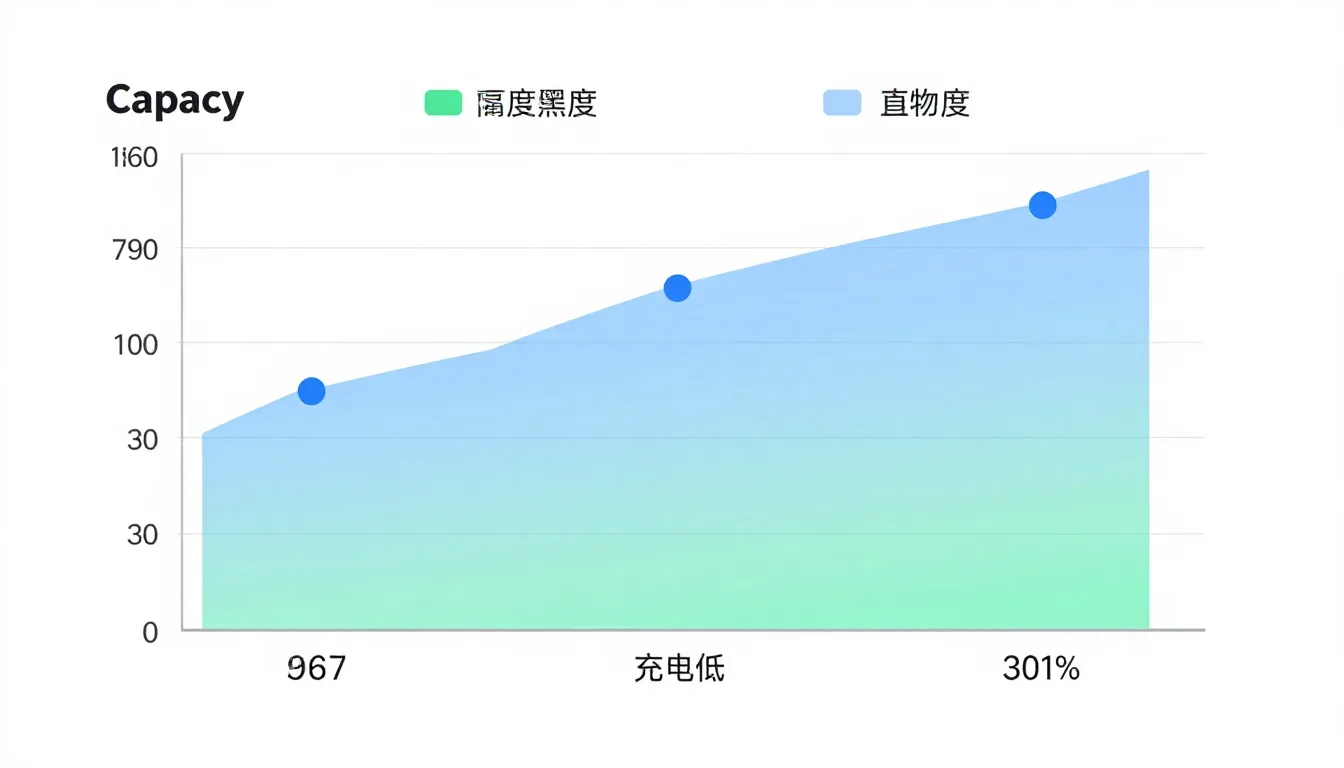
Data from fleet operators and OEM reports show EV battery degradation averages 1–2% per year for well-maintained packs. After 160,000 km (100,000 miles), most retain 85–90% capacity.
LFP cells show lower fade but higher cycle life—some exceeding 5,000 cycles. For instance, gentle acceleration and avoiding frequent DC fast charging can reduce annual degradation to under 1% in many cases.
Warranties typically cover 8 years / 100,000 miles with 70% remaining capacity. Loss beyond that signals severe imbalance or latent defects.
Third-party diagnostic tools can report SOH accurately; check yours annually to track trends.
Understanding the nuances of EV battery degradation empowers owners to extend pack life. Modern BMS and user habits together determine longevity.
For deeper reading, consult Energy.gov’s EV battery degradation overview and Battery University’s longevity guide. Explore more at our Automotive & Mobility section.