How to Extend the Lifespan of Your Car’s Transmission: Fluid, Habits, and Maintenance

Understanding Transmission Wear Fundamentals
Every gearbox, whether automatic, manual, or dual-clutch, experiences wear from friction, heat, and contamination. Progressive degradation of internal components directly correlates with service intervals and driving style. Transmission lifespan extension depends on proactively managing these three enemies.
The average automatic transmission fails around 100,000 miles without proper care. A well-maintained unit can exceed 200,000 miles.
Manual transmissions are more robust but still suffer from synchronizer wear and bearing fatigue.
Dual-clutch transmissions (DCTs) combine traits of both. They require precise fluid and actuator maintenance.
Understanding these basics sets the stage for effective care.
Transmission Lifespan Extension: The Role of Fluid
Automatic Transmission Fluid (ATF)
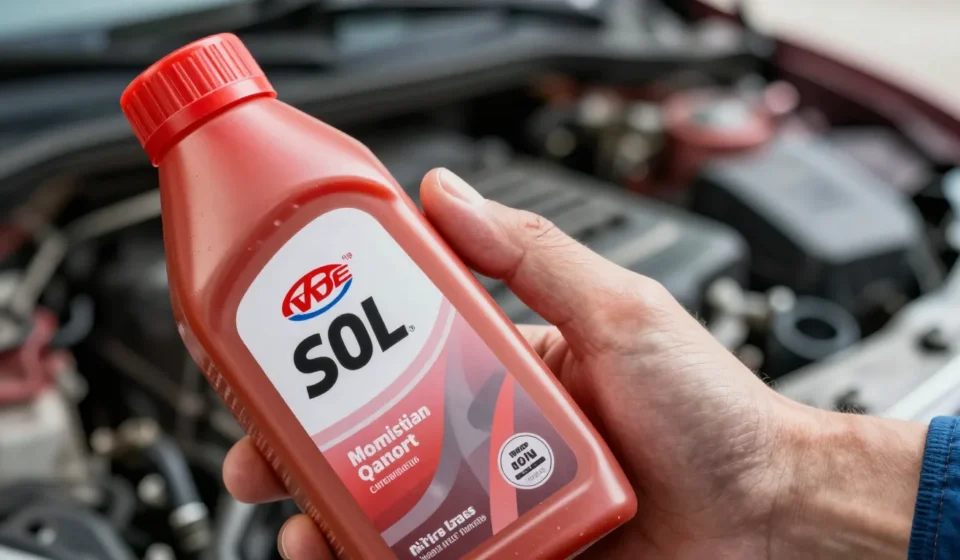
ATF serves as hydraulic fluid, coolant, and lubricant. Over time, heat breaks down its additives, causing varnish buildup on valve bodies and clutch plates.
Proper fluid management is the foundation of long transmission life.
Change intervals vary widely. Most manufacturers recommend 30,000–60,000 miles, but severe service halves that figure.
Always use the exact spec fluid; mismatched viscosity can cause shudder or failure.
For flushed systems, ensure the machine exchanges all old fluid. Partial changes leave contaminated fluid in the torque converter and cooler.
On high-mileage transmissions, a drain-and-fill may be safer than a full flush.
Manual Transmission and DCT Fluids
Manual gearboxes use gear oil with specific viscosity for synchronizer performance. Overfilled or underfilled levels cause shifting issues.
DCTs require dedicated low-viscosity hydraulic fluid changed every 40,000–60,000 miles.
Neglecting DCT fluid leads to rough shifts and clutch slip. Check fluid level regularly; many manuals have a fill plug.
Look for metal particles on the plug magnet—excessive glitter indicates abnormal wear.
Use only OEM or certified aftermarket fluids. Generic oils often lack necessary friction characteristics.
Regular fluid changes are a cornerstone of long transmission life.
Driving Habits for Maximum Gearbox Life
Automatic Transmissions: Avoid Heat and Slippage
The leading cause of automatic transmission failure is heat. Excessive idling in gear and aggressive acceleration raise fluid temperature.
These habits directly undermine gearbox longevity.
Use the parking brake on inclines to reduce load on the parking pawl. Never shift into Drive or Reverse while revving the engine.
When towing, use a lower gear to prevent constant gear hunting.
Let the transmission cool after heavy use before shutting off. If your car has a transmission cooler, ensure it’s unobstructed.
These steps directly contribute to long transmission life.
Manual Transmissions: Clutch and Synchronizer Care
Resting your foot on the clutch pedal wears the throwout bearing prematurely. Fully depress the clutch when shifting.
Avoid “riding” the clutch in traffic to save the synchronizers.
Downshift smoothly, matching revs to reduce strain. Skipping gears while upshifting is fine, but downshifting without rev-matching accelerates wear.
At long stops, shift to neutral and release the clutch to save the bearing.
Dual-Clutch Transmissions: Respect the Clutches
DCTs behave like automated manuals. Avoid creeping in traffic—this slips the clutches and generates heat.
Use the car’s “creep” mode sparingly.
At stops, shift to Neutral if waiting more than a few seconds. When parking, engage the parking brake before shifting into Park.
Let the DCT complete its shift before applying throttle.
Always come to a complete stop before switching between Drive and Reverse. Launch control is fun but accelerates wear.
Use it occasionally, not daily.
Scheduled Maintenance and Inspection
Filter Replacements and Pan Cleaning
Many automatic transmissions have a reusable or disposable filter. Replace it every other fluid change.
When the pan is removed, clean any sludge and check for debris.
A magnet in the pan collects ferrous particles. If you see large chunks, internal damage is underway.
In manuals, periodic magnetic plug cleaning is wise.
Mechatronic and Valve Body Health
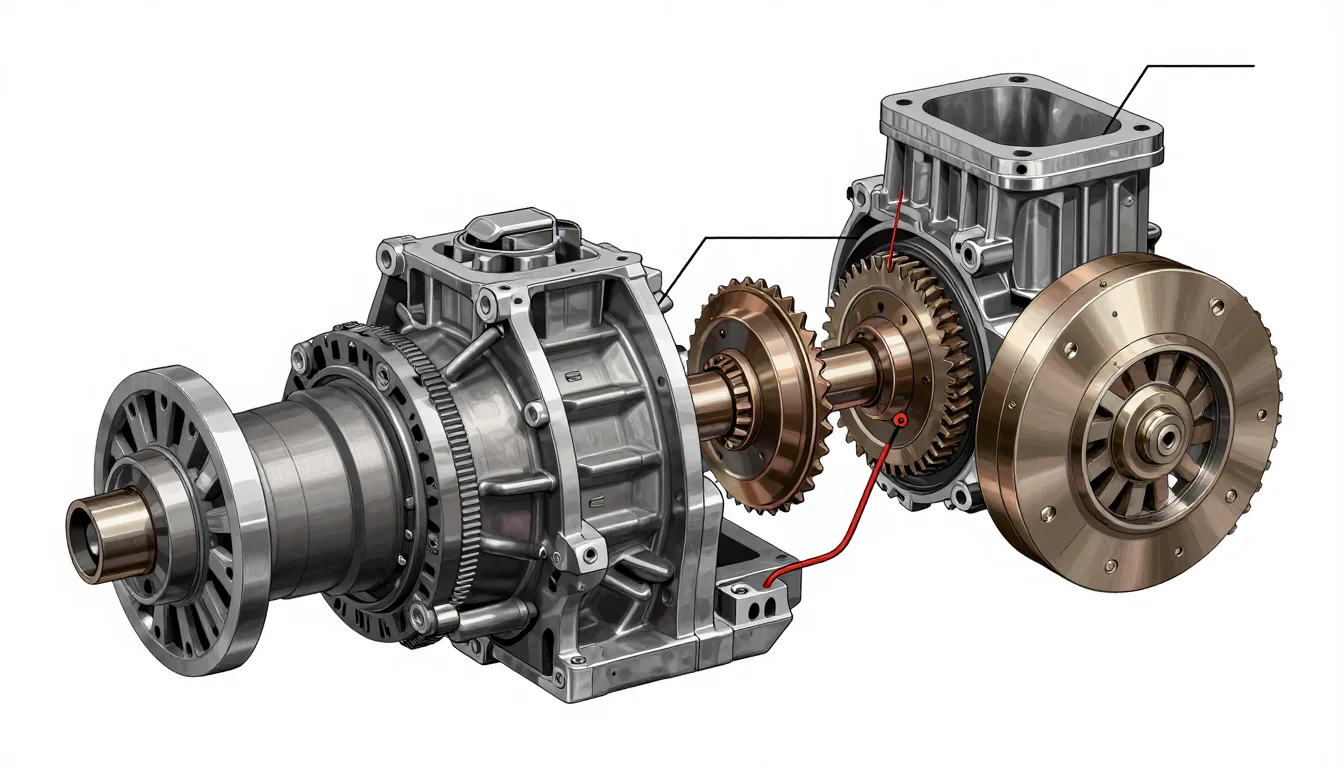
In modern automatics and DCTs, the mechatronic unit controls shifting. Faulty solenoids or worn valve bodies cause delayed shifts.
Early diagnosis is key for long transmission life.
If you notice symptoms, diagnose early: a $500 valve body repair can prevent a $3,000 rebuild. Use a scanner to check for transmission codes even if the check engine light is off.
Timely action saves money.
Cooling System Maintenance
Transmission fluid is cooled via a heat exchanger or radiator. A clogged cooler or low coolant level raises transmission temps.
Cooling system care is often overlooked but critical for longevity.
Flush the cooling system per schedule and inspect hoses for leaks. On performance vehicles, consider an auxiliary cooler.
These steps help maintain optimal temperatures.
Common Myths and Direct Advice
Myth: “Sealed-for-life” transmissions never need fluid changes. Truth: “Lifetime” often means 100,000 miles. After that, fluid breakdown is inevitable.
Myth: Manual transmissions are indestructible. Truth: Synchronizers and bearings wear out. Fluid changes every 60,000 miles are cheap insurance.
Myth: Flushing high-mileage transmissions causes failure. Truth: A gentle drain-and-fill is safer than a power flush. Leaving old fluid shortens life.
My blunt recommendation: Follow the severe service schedule in your owner’s manual. Invest in quality fluid and a reputable shop.
Your transmission will reward you with hundreds of thousands of miles of smooth operation.
For more automotive and mobility insights, visit our Automotive & Mobility category. For deeper dives into fluid dynamics, check this external guide on ATF properties. And for DCT specifics, this article adds nuance.