
Fuel Additive Effectiveness: The Chemistry Behind Claims
Fuel additives are marketed as miracle cures for engine deposits, but the reality of fuel additive effectiveness is more nuanced. Most quality additives contain polyether amine (PEA) or polyisobutene amine (PIBA), which are detergents designed to break down carbon bonds.
PEA is thermally stable at higher temperatures, making it effective in direct-injection engines where deposits form on intake valves. PIBA works better in lower-temperature areas like the intake manifold.
However, concentration levels vary wildly between products.
Independent testing by the CRC (Coordinating Research Council) shows that only additives meeting the Top Tier standard provide consistent deposit control. Brands like Chevron Techron and Red Line use high concentrations of PEA, while generic store brands often dilute the formula.
Without sufficient dosage, the chemical reaction cannot overcome built-up carbon deposits that have accumulated over thousands of miles.
Testing Methodology: How to Measure Real Cleaning
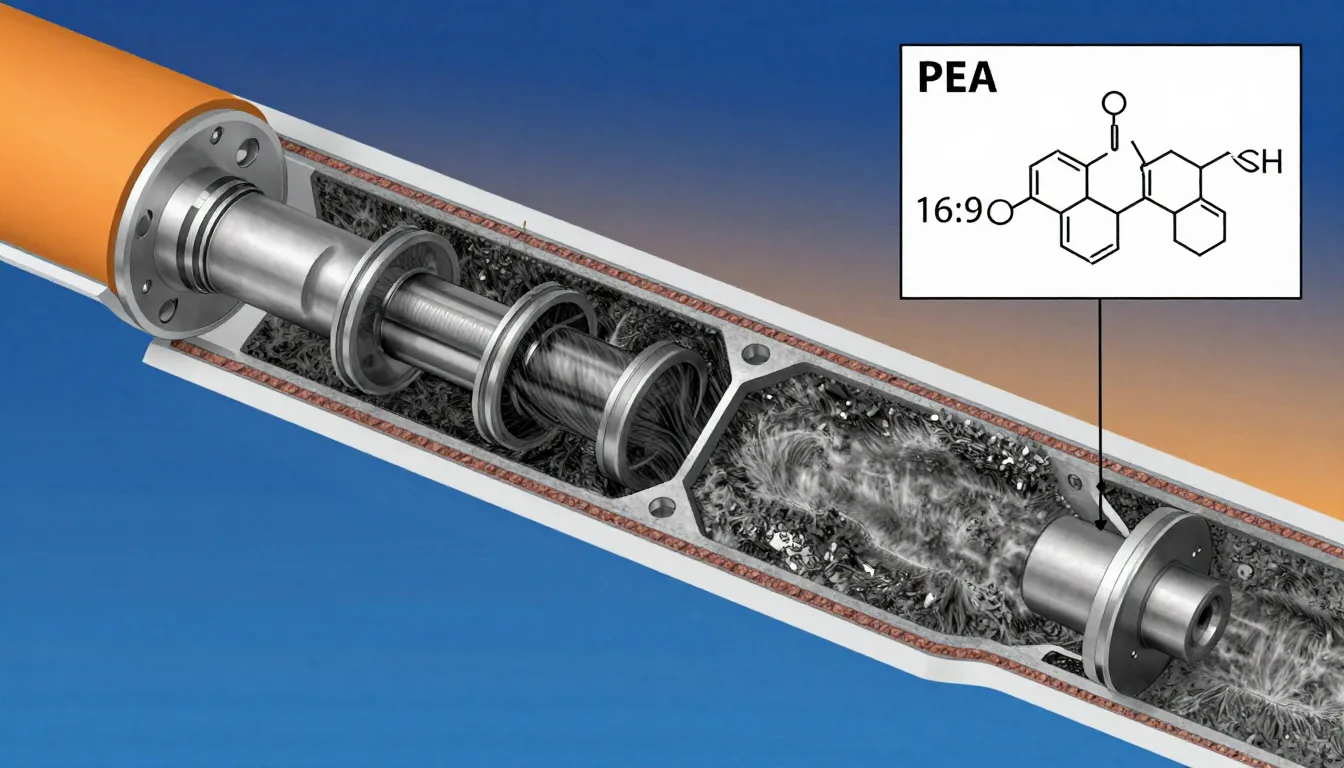
To evaluate fuel additive effectiveness, engineers use a standardized deposit weight test. A clean metal coupon is placed in a heated chamber with controlled fuel spray, then weighed before and after additive treatment.
Results show that PEA-based additives reduce deposits by 50–70% compared to untreated fuel.
In-field outcomes depend on engine type, driving habits, and existing deposit severity. A study by SAE International found that additives cannot remove heavy, baked-on deposits from direct-injection injectors.
This underscores that fuel additive effectiveness depends on deposit severity.
In such cases, physical cleaning methods like media blasting or ultrasonic cleaning are necessary. Additives work best as preventive maintenance, not restoration.
For optimal results, use a PEA additive every 3,000 to 5,000 miles, especially in high-mileage vehicles.
Additional research from the Coordinating Research Council indicates that consistent use of high-detergent fuel can reduce intake valve deposits by up to 60% over 20,000 miles. This highlights the importance of long-term additive strategy rather than one-shot treatments.
Why Some Additives Fail
Many budget additives compromise fuel additive effectiveness by using cheap solvents like kerosene or naphtha. These dissolve only light residues and can actually wash oil off cylinder walls, increasing wear over time.
Look for additives that meet ASTM D6201 or D5598 standards to ensure minimum concentration requirements.
The fuel itself also matters: ethanol-blended fuels attract moisture, accelerating deposit formation. Using an additive with corrosion inhibitors can mitigate this effect.
Another critical factor is the additive's boiling point.
Low-boiling carriers evaporate before reaching the combustion chamber, leaving the detergent behind. High-quality carriers like 100% synthetic oils ensure the chemical reaches the target area.
Always check the label for the concentration of PEA—aim for at least 30% by volume to guarantee effective deposit control.
Some premium additives advertise over 50% PEA content for severe applications. These are often worth the extra cost in modern direct-injection engines.
Should You Use Fuel Additives? An Honest Verdict
For modern direct-injection engines prone to carbon buildup, a high-quality PEA additive is a cost-effective preventive measure. It costs about $10 per treatment versus thousands for professional walnut blasting.
For port-injection engines, the benefit is marginal since fuel already cleans the intake valves naturally.
If you use top-tier gasoline such as Shell V-Power or Chevron Supreme, additional additives are often redundant. Beware of octane boosters or fuel system cleaners that promise huge horsepower gains.
Independent dyno tests show less than 1% improvement on healthy engines.
The primary legitimate function of fuel additives is deposit control. Stick to reputable brands with transparent ingredient lists: Chevron’s Techron concentrate and Red Line’s Complete Fuel System Cleaner are proven effective. For more automotive engineering insights, visit our Automotive & Mobility section.
Ultimately, fuel additive effectiveness is real but limited. Use them as directed, in modern direct-injection vehicles, and don't expect miracles.
A clean air filter and proper oil changes remain far more important for engine longevity.
Combining additives with regular maintenance yields the best results for keeping your engine clean and efficient.