
retinol vs bakuchiol: What’s the Difference?
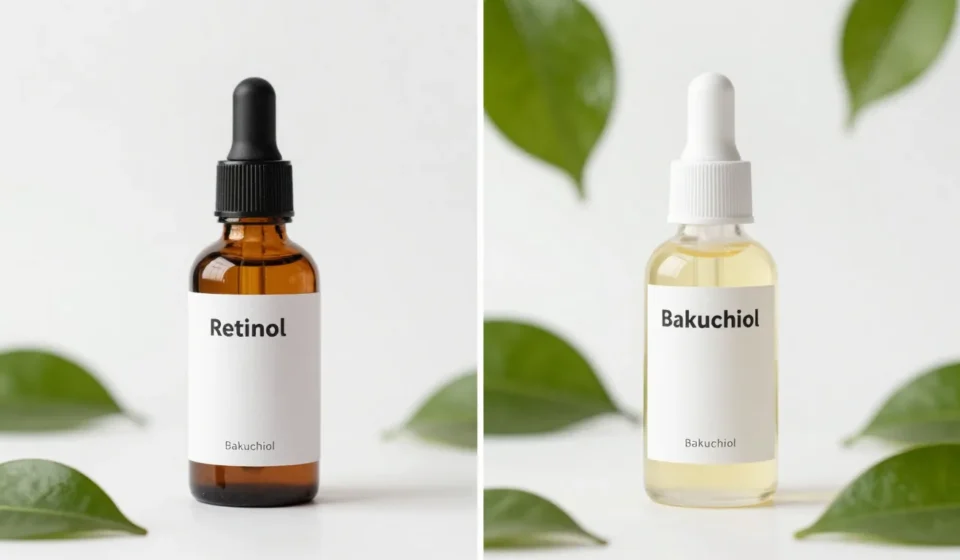
When comparing retinol vs bakuchiol, both are powerful ingredients that target fine lines, uneven texture, and acne. Retinol, a vitamin A derivative, is a gold-standard anti-aging active with decades of research. Bakuchiol, a plant-based extract from the babchi plant, offers similar benefits with less irritation.
Efficacy and Results
Retinol’s Proven Track Record
Retinol accelerates cell turnover and collagen production by binding to nuclear receptors. Clinical studies show visible improvement in wrinkles and hyperpigmentation within 12 weeks.
It’s potent but can cause redness, peeling, and dryness, especially at higher concentrations.
Beginners should start with a low concentration like 0.25% to avoid harsh reactions. Over time, the skin builds tolerance, allowing for stronger formulas.
Retinol remains a top choice for those seeking fast, dramatic results.
Bakuchiol’s Gentler Approach
Bakuchiol works via different pathways, modulating gene expression without activating retinoic acid receptors. A 2019 study found it comparable to retinol in reducing fine lines and pigmentation.
It also offers antioxidant and anti-inflammatory benefits, making it suitable for sensitive skin.
Many users notice a smoother complexion within a few weeks without the dreaded purge. Bakuchiol pairs well with other active ingredients like vitamin C.
It is ideal for those who want anti-aging benefits without irritation.
Side Effects Profile
Retinol often triggers a ‘purge’ and initial irritation, requiring gradual introduction. Bakuchiol rarely causes side effects and can be used daily without adjustment.
For those with rosacea, eczema, or reactive skin, bakuchiol is a safer starting point.
Dermatologists recommend starting retinol at 0.25% to 0.5% twice weekly. Bakuchiol can be used at 0.5% to 1% daily.
Both increase photosensitivity, so daily sunscreen is non-negotiable.
Understanding your skin’s tolerance is key. While retinol may cause stinging or flaking, bakuchiol feels soothing.
Always listen to your skin and adjust usage accordingly.
Best Skin Types and Goals
- Retinol: Best for oily, acne-prone, or resilient skin seeking fast, dramatic results. Not recommended during pregnancy.
- Bakuchiol: Ideal for dry, sensitive, or mature skin; pregnancy-safe. Works well with other actives like vitamin C or hyaluronic acid.
Those with combination skin may alternate between the two. For example, use retinol twice a week and bakuchiol on other nights.
This balances efficacy with comfort.
How to Use Each Ingredient
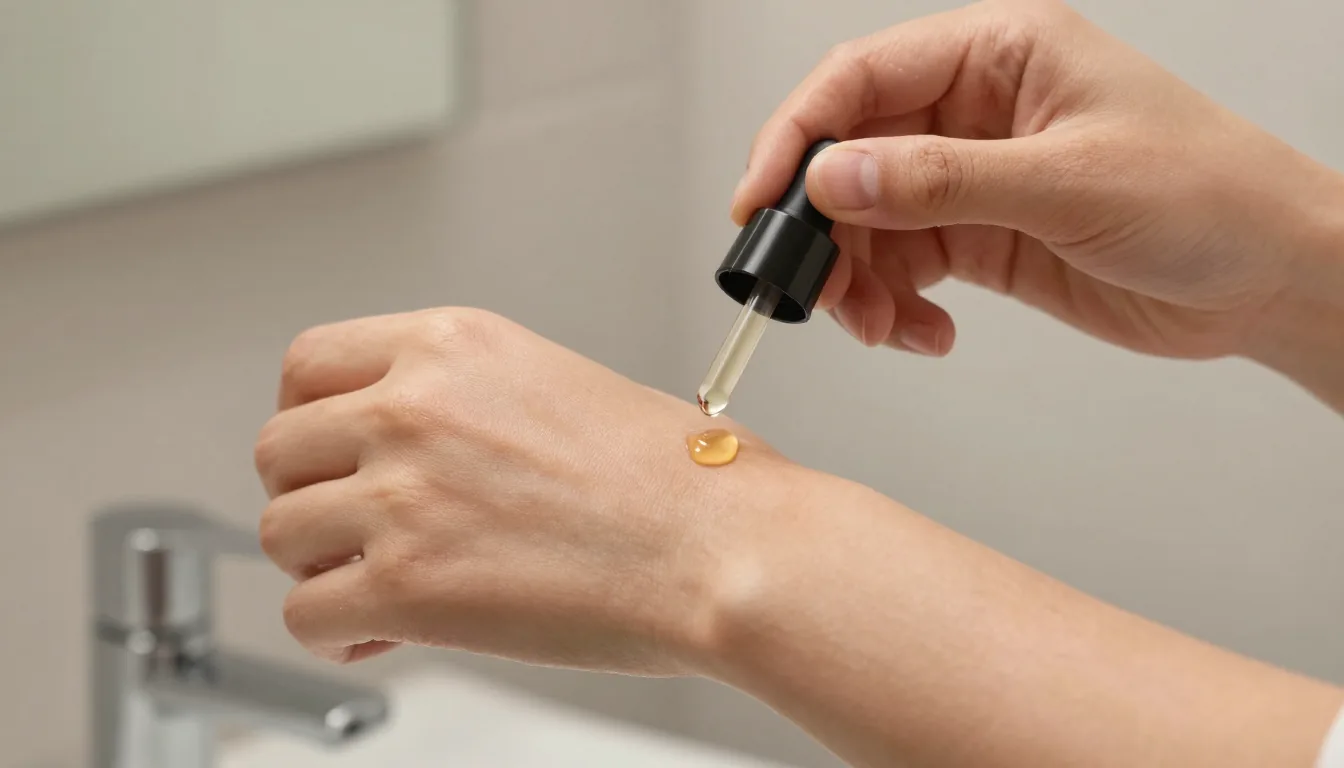
Always apply retinoids after cleansing and before moisturizer. Start retinol at 0.25%-0.5% twice weekly; bakuchiol can be used daily at 0.5%-1%.
Pair with sunscreen, as both increase photosensitivity.
Consider incorporating a gentle cleanser and barrier-repair moisturizer. This helps mitigate initial dryness from retinol.
Bakuchiol is more forgiving and can be layered with other serums.
For best results, use a pea-sized amount and avoid the eye area. Consistency matters more than concentration, especially with bakuchiol.
Over time, you can increase frequency as your skin adapts.
Pregnancy and Safety Considerations
Retinol is contraindicated during pregnancy due to risk of birth defects. Bakuchiol is considered safe, making it a preferred choice for expectant or nursing mothers.
Always consult a dermatologist before adding new actives during pregnancy.
For breastfeeding, retinoids are generally avoided; bakuchiol offers a pregnancy-safe alternative. Check product labels for concentration and purity.
Many brands now formulate bakuchiol serums specifically for sensitive periods.
Research on bakuchiol is growing, but initial data supports its safety. It is also less likely to cause photosensitivity than retinol.
Still, wearing SPF is essential regardless of your choice.
Cost and Availability
Retinol products range widely in price, from drugstore to high-end. Bakuchiol is often mid-range, but growing in popularity.
Both are widely available in serums, creams, and oils.
For a deeper dive, check these external resources: Comparative study on retinol vs bakuchiol and Healthline’s breakdown. Also explore our Beauty & Skincare archive.
Ultimately, your choice depends on skin tolerance, goals, and pregnancy status. Both are effective, but bakuchiol offers a gentler route.
Retinol delivers faster, stronger results for those who can handle it. No matter which you choose, consistency and sun protection are the keys to visible results.