
What Are Collagen Peptides and How Do They Work?
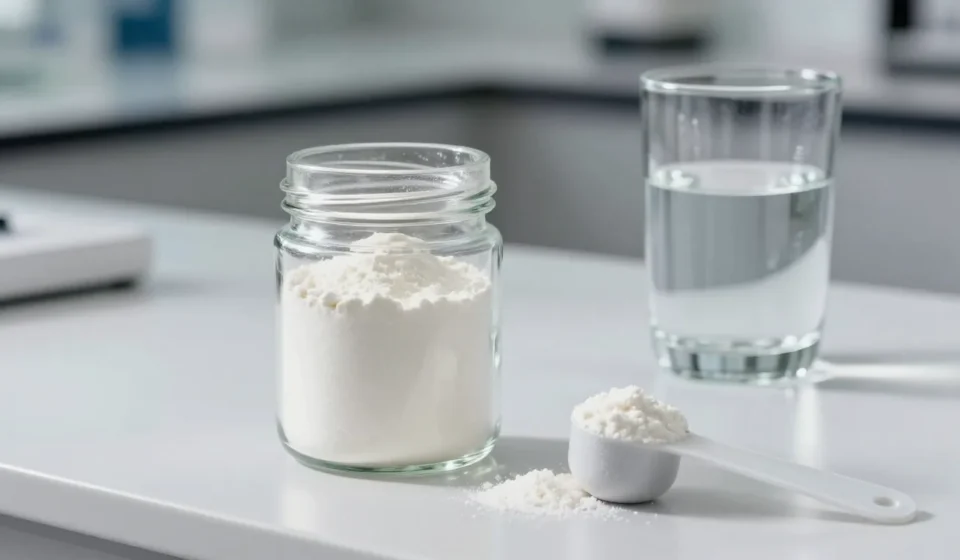
Collagen peptides are short chains of amino acids derived from hydrolyzed collagen, which is broken down into smaller, more easily absorbed fragments. When ingested, these peptides are absorbed into the bloodstream and may stimulate fibroblasts, the cells responsible for producing collagen and elastin in the skin.
Clinical studies show mixed but promising results for skin elasticity. A 2019 meta-analysis of 19 trials reported modest improvements in skin hydration, elasticity, and density compared to placebo.
However, results vary by age, baseline collagen levels, and the quality of the supplement used.
The body's natural collagen production declines after age 25, leading to sagging and wrinkles. Supplementation aims to offset this decline, but it is not a complete solution.
Consistency is key: most research uses doses of 2.5–10 grams daily for at least 8 weeks.
Absorption and Bioavailability: Do They Reach the Skin?
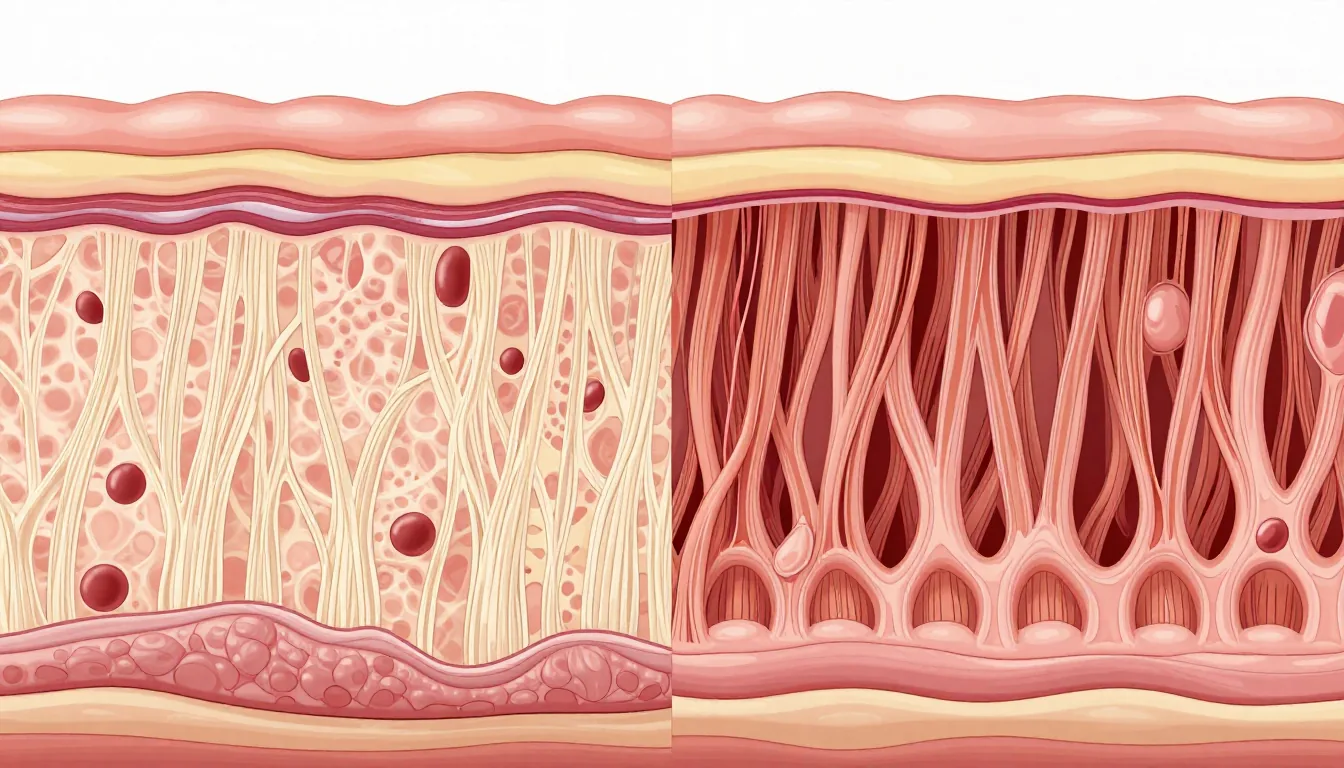
Oral collagen peptides are digested in the stomach and small intestine, where they are absorbed as di- and tripeptides. These small peptides then travel via the bloodstream and accumulate in the dermis.
Radiolabeled studies confirm that specific peptides, such as proline-hydroxyproline, bind to skin cells and remain there for several hours.
Yet the amount that actually incorporates into new collagen is small—only a fraction of the ingested dose. The body's own synthesis declines with age, so supplementation may only partially offset losses.
Consistency matters more than high single doses: taking 5 grams daily for 12 weeks is more effective than sporadic large doses.
Optimal Dosage and Timing
Most studies use 5 grams of collagen peptides per day, though some go up to 10 grams. Timing with vitamin C may enhance absorption because vitamin C is a cofactor for collagen synthesis.
Taking collagen peptides on an empty stomach improves peptide uptake through the gut.
Long-term use (at least 12 weeks) is required to see measurable changes in skin elasticity. A 2021 trial found that 10 grams daily improved skin elasticity by 7% after 90 days compared to placebo, with greater effects in women over 40.
Topical Collagen vs. Oral Supplements
Topical collagen molecules are too large (300,000 daltons or more) to penetrate the epidermis. They sit on the skin surface acting as humectants, drawing moisture but not providing building blocks.
In contrast, oral peptides are small enough to reach the dermis and stimulate synthesis.
Both approaches can be complementary, but oral supplementation has stronger evidence for improving elasticity from within. Look for products with Beauty & Skincare certified ingredients and consider combining with topical retinoids for best results.
What the Research Really Says
A 2022 systematic review of 11 randomized controlled trials concluded that collagen peptides significantly improve skin hydration and elasticity compared to placebo. However, effect sizes are small—typically 5–10% improvement—and not all studies show benefits.
Industry-funded studies often report larger effects due to publication bias. Independent research is needed to confirm long-term efficacy.
The average improvement in skin elasticity is modest, but consistent users may see visible firmness after 3–6 months.
Selecting a Premium Hydrolyzed Collagen Product
Look for hydrolyzed collagen with a low molecular weight (2,000–5,000 daltons) for better absorption. Fish collagen (type I) has slightly higher bioavailability than bovine (types I and III).
Third-party testing ensures purity and potency, free from heavy metals.
Avoid added sugars or fillers. Pair with vitamin C and hyaluronic acid for synergistic effects. This study found that a combination product yielded better results than collagen alone.
Who Should Consider Collagen Peptide Supplements?
Adults over 30, especially women experiencing perimenopausal skin changes, may benefit most. Smokers and those with high sun exposure lose collagen faster and may see more noticeable improvements.
Pregnant or nursing women should consult a doctor. People with fish or shellfish allergies should avoid marine collagen.
Gelatin is a cheaper alternative but less effective as it is not hydrolyzed.
Overall, collagen peptides are safe for most people with minimal side effects (mild digestive upset). Start with 5 g daily for 8–12 weeks and monitor changes.
Practical Takeaway
Collagen peptides are not a miracle cure, but consistent use can modestly improve skin elasticity. Combine with a balanced diet, sun protection, and proven topical actives like retinoids. Further reading on collagen metabolism.
For best results, choose a high-quality, third-party tested product, and be patient—collagen turnover takes time. With realistic expectations, oral collagen is a valuable addition to an anti-aging skincare routine.