
The Thinnest-to-Thickest Rule
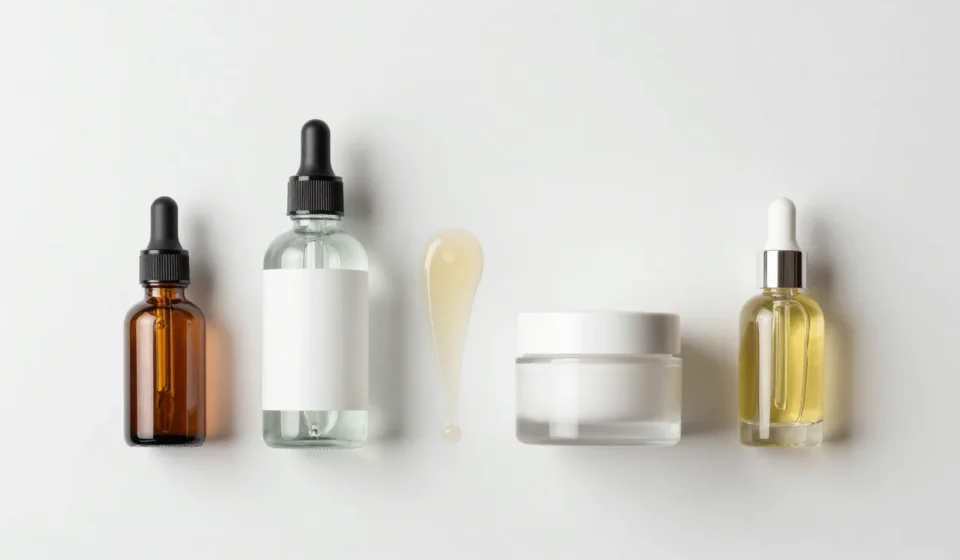
Mastering the skincare layering order starts with the thinnest-to-thickest rule. Water-based products like toners and serums should be applied first, as their low viscosity allows rapid penetration.
Thicker creams and ointments form a barrier that can block lighter ingredients if applied prematurely, so always start with the most fluid product first.
Think of your skin like a sponge—a thin serum with hyaluronic acid sinks in quickly, but a heavy moisturizer on top would seal it out. Start with the runniest product and step up to the heaviest.
This straightforward approach boosts efficacy across your entire routine and is the foundation of a proper skincare layering order.
For example, after cleansing, apply a hydrating toner, then a watery serum, followed by a lightweight lotion, and finish with a rich cream. This sequence ensures each layer absorbs without interference, maximizing the benefits of every product.
pH-Dependent Layering
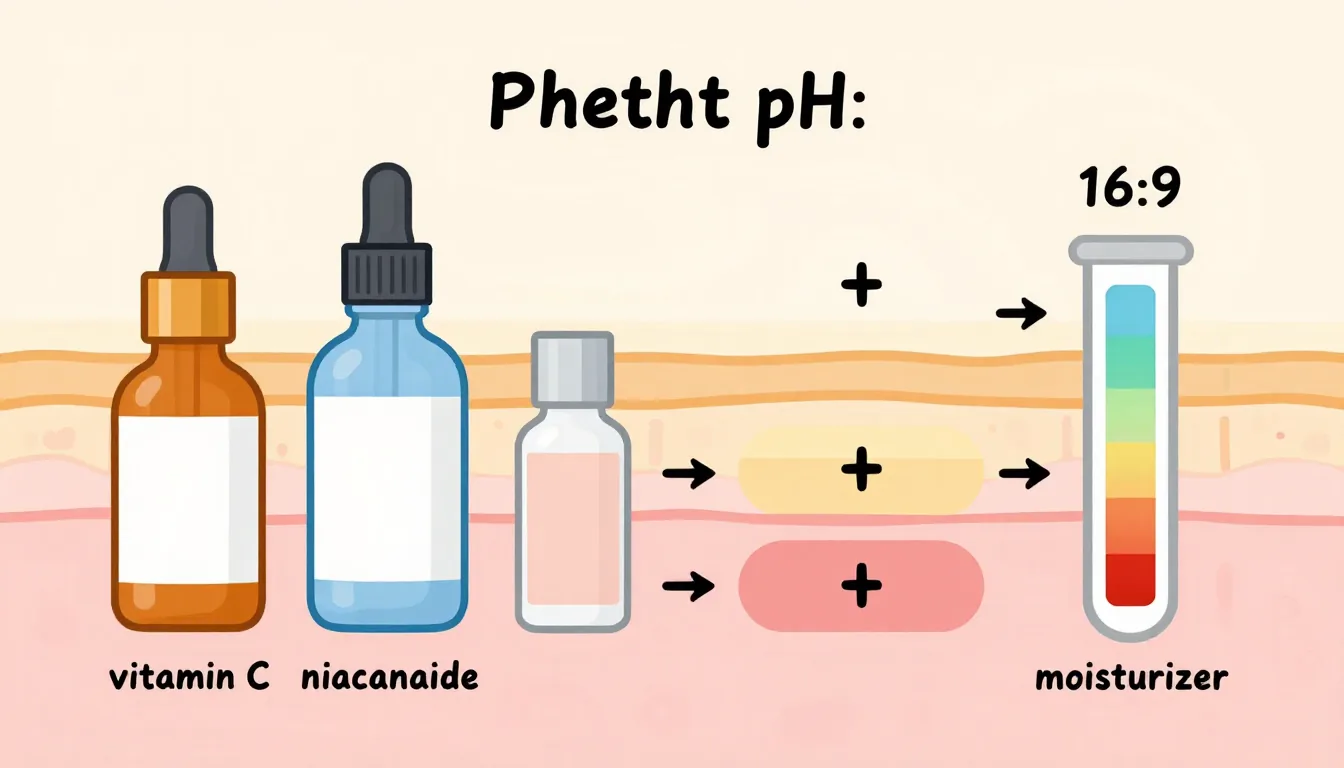
Your skin’s natural pH is slightly acidic (around 4.5–5.5). Some actives require a specific pH range to work effectively.
For instance, L‑ascorbic acid (vitamin C) is most effective at pH below 3.5, while niacinamide thrives near neutral.
Applying a high-pH product after a low-pH one can alter the environment and reduce efficacy, disrupting the ideal skincare layering order. To preserve ingredient integrity, wait a few minutes between steps, allowing the product to dry and its pH to stabilize.
Avoid mixing strong acids with direct acids in the same layer unless formulated together.
Proper pH sequencing maximizes results and minimizes irritation, ensuring your skincare layering order works synergistically. Additionally, consider using a pH-balancing toner after cleansing to reset your skin’s surface.
This step primes the skin for subsequent treatments and enhances overall absorption, making it a critical part of any skincare layering order.
Why Oils Come Last
Oils and occlusives are the final curtain in your regime, creating a lipid barrier that prevents water loss but also blocks water-soluble actives from penetrating. If you apply an oil before your serum, the serum cannot reach the deeper epidermis.
Save silicone-heavy products, facial oils, and petrolatum-based balms for the end.
Exceptions exist for oil-soluble actives like retinol, but these are usually formulated to penetrate before occlusion. In a standard routine, apply water-based hydrators first, followed by oil-based treatments, then seal everything with a moisturizer.
This order locks in hydration and active ingredients, completing the skincare layering order correctly.
Remember, facial oils are not moisturizers; they are occlusives. Apply them after your moisturizer to trap moisture.
This step is often mistaken, so knowing the correct skincare layering order prevents common errors.
Common Layering Mistakes
One frequent error is applying too many products at once. Each layer needs time to absorb—typically 30–60 seconds.
Rushing can cause pilling or reduced penetration.
Another mistake is ignoring the pH of cleansers. A high-pH cleanser can disrupt the acid mantle, making subsequent products less effective.
Always use a pH-balanced cleanser to maintain the integrity of your skincare layering order.
Layering multiple acids (e.g., glycolic and salicylic) without buffer can overload skin. Stick to one exfoliant per routine or alternate days.
Also, avoid mixing copper peptides with strong acids or vitamin C in the same layer, as they can denature each other.
Check your product instructions for compatibility to ensure your skincare layering order is optimized. Another mistake is applying products to damp vs.
dry skin inconsistently. Some ingredients, like hyaluronic acid, work best on damp skin, while others, like retinol, should go on dry skin.
Adjust your skincare layering order based on product instructions for best results.
skincare layering order: A Step-by-Step Summary
Follow this proven sequence for best results: 1. Oil-based cleanser (first cleanse); 2.
Water-based cleanser; 3. Exfoliant (if using, apply after cleansing); 4.
Toner (pH-balancing); 5. Essence/ampoule; 6.
Serum (water-based first, then oil-based if separate); 7. Eye cream; 8.
Moisturizer (emulsion, lotion, or cream); 9. Facial oil; 10.
Sunscreen (morning only). Adjust based on your products’ instructions.
Adhering to the skincare layering order ensures each ingredient works synergistically. For more guidance, explore our Beauty & Skincare category. External resources from NCBI on skin barrier function and American Academy of Dermatology provide further insights.
Remember, consistency and patience with your skincare layering order will yield the best long-term results.