
What Is Skin Cycling and Why It Works
Skin cycling is a structured skincare routine that alternates exfoliation and retinoid nights with recovery nights. This skin cycling routine is perfect for beginners looking to maximize results without irritation.
It was popularized by dermatologists who noticed that constant use of potent ingredients often leads to barrier damage. By scheduling rest days, your skin repairs itself, making actives more effective long-term.
Unlike traditional daily application of actives, this method prevents overloading the skin. The result is a balanced approach that delivers visible improvements in texture and brightness.
For many, it reduces sensitivity and builds tolerance over time. A typical skin cycling routine consists of four nights repeated weekly, making it easy to follow.
The Science Behind the Rotation
Exfoliation removes dead skin cells, allowing retinoids to penetrate deeper. But using them together can cause severe dryness.
Alternating nights gives each ingredient time to work without conflict. Studies show that skin tolerates retinoids better when used every third night.
This cycle respects the skin's natural repair rhythm.
Your Skin Cycling Routine: Weekly Schedule
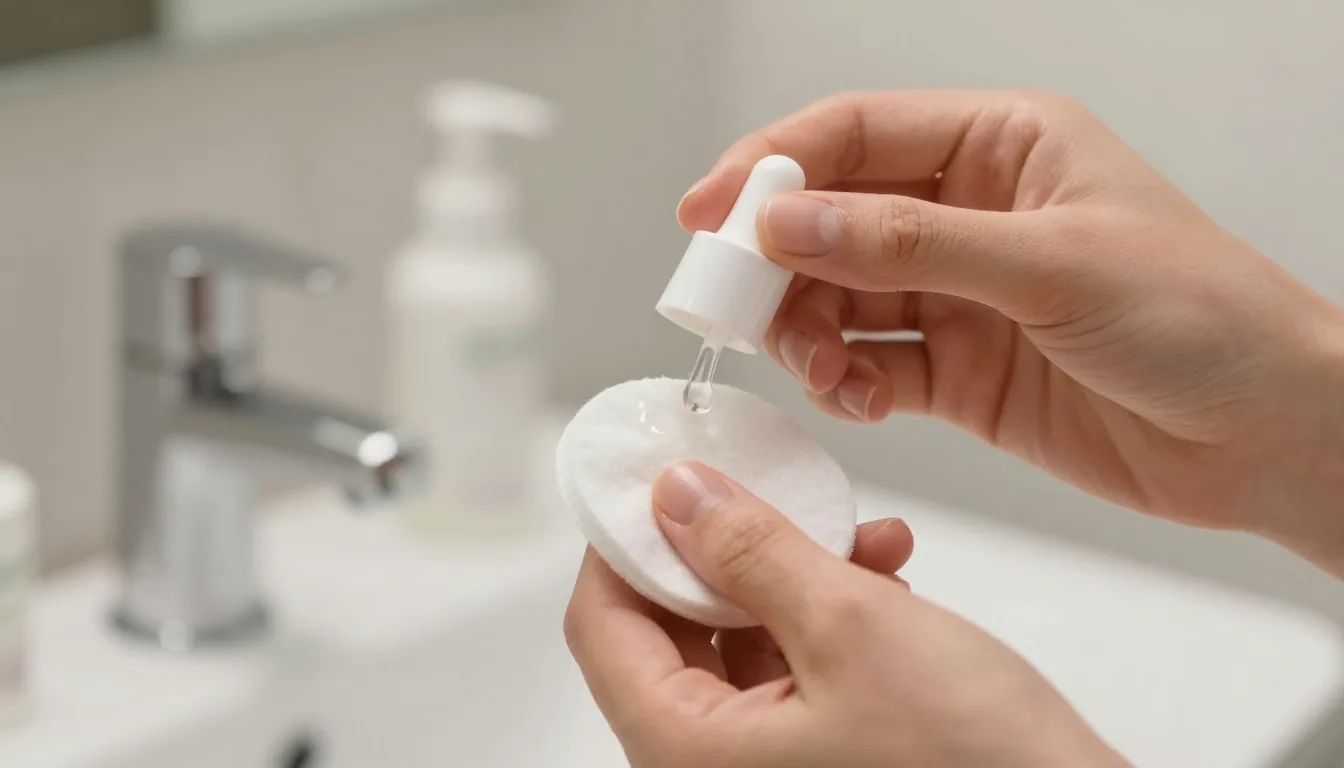
Below is a beginner-friendly rotation that fits any lifestyle. The standard cycle is four nights: exfoliation, retinoid, recovery, recovery.
Repeat weekly or adjust based on your skin’s response. Choosing the right products for your skin cycling routine ensures optimal results.
Night 1: Exfoliation
Use a chemical exfoliant like glycolic acid (AHA) or salicylic acid (BHA). Start with a 5% AHA or 2% BHA product.
Apply after cleansing, avoiding the eye area.
Follow with a hydrating serum and moisturizer. This step boosts cell turnover and brightens tone.
Be careful not to exceed recommended usage; start once a week and gradually increase as tolerated.
Night 2: Retinoid
Choose a gentle retinoid, such as retinol 0.25% or retinaldehyde. Begin with a pea-sized amount on dry skin, waiting 20 minutes after cleansing.
Wait another 20 minutes before applying moisturizer.
This reduces absorption peaks that cause irritation. Always apply to dry skin to minimize irritation.
A 'sandwich' technique (moisturizer, retinoid, moisturizer) can help sensitive skin.
Nights 3 & 4: Recovery
Focus on barrier repair. Use a cleanser with ceramides, a hyaluronic acid serum, and a rich moisturizer.
Ingredients like niacinamide, panthenol, and squalane calm inflammation. During recovery nights, the skin cycling routine allows barrier repair.
These nights are crucial for maintaining a healthy acid mantle. Consider using a sleep mask or facial oil for extra nourishment.
This is also a good time for soothing ingredients like aloe vera or green tea extract.
Product Recommendations for Each Step
Here are dermatologist-loved options that suit most skin types. Always patch-test before full use.
Exfoliation Picks
- The Ordinary Glycolic Acid 7% Toning Solution – Budget-friendly AHA for beginners.
- Paula’s Choice Skin Perfecting 2% BHA Liquid Exfoliant – Ideal for oily or acne-prone skin.
Retinoid Picks
- CeraVe Skin Renewing Retinol Serum – Contains encapsulated retinol and ceramides for low irritation.
- La Roche-Posay Retinol B3 Serum – Combines retinol with niacinamide for added soothing.
Recovery Picks
- Kiehl’s Ultra Facial Cream – Lightweight yet deeply hydrating.
- Dr. Jart+ Ceramidin Cream – Packed with ceramides to repair the barrier.
Tips for Success and Common Mistakes
Start with a lower frequency—maybe just two cycles per week—if your skin is sensitive. Always apply sunscreen daily, as exfoliants and retinoids increase photosensitivity.
Sticking to a consistent skin cycling routine is key.
Avoid mixing benzoyl peroxide with retinoids on the same night. Many beginners skip the recovery nights, leading to over-exfoliation.
Resist the urge to add extra active steps.
Your skin needs downtime to benefit from the cycle. Adjust the routine based on your skin type: oily skin may tolerate more frequent exfoliation, while dry skin should emphasize hydration. For more in-depth ingredient science, explore our Beauty & Skincare category.
External resources like AAD’s skincare guide and WebMD’s skin cycling overview offer additional insights.