

Why Founder KPIs Matter
Every founder faces a deluge of data, but without the right metrics, you’re flying blind. Tracking founder KPIs transforms raw numbers into strategic insights, allowing you to allocate resources effectively and spot problems early. Focus on the five below to build a scalable, profitable business.
Understanding these founder KPIs is the first step toward data-driven leadership. They help you communicate performance to investors and align your team around common goals.
1. Customer Acquisition Cost (CAC)
CAC reveals the total cost of acquiring a new customer, including marketing, sales salaries, and software. To calculate, divide total acquisition expenses by the number of new customers gained in a period.
A high CAC can signal inefficient campaigns or a product-market mismatch.
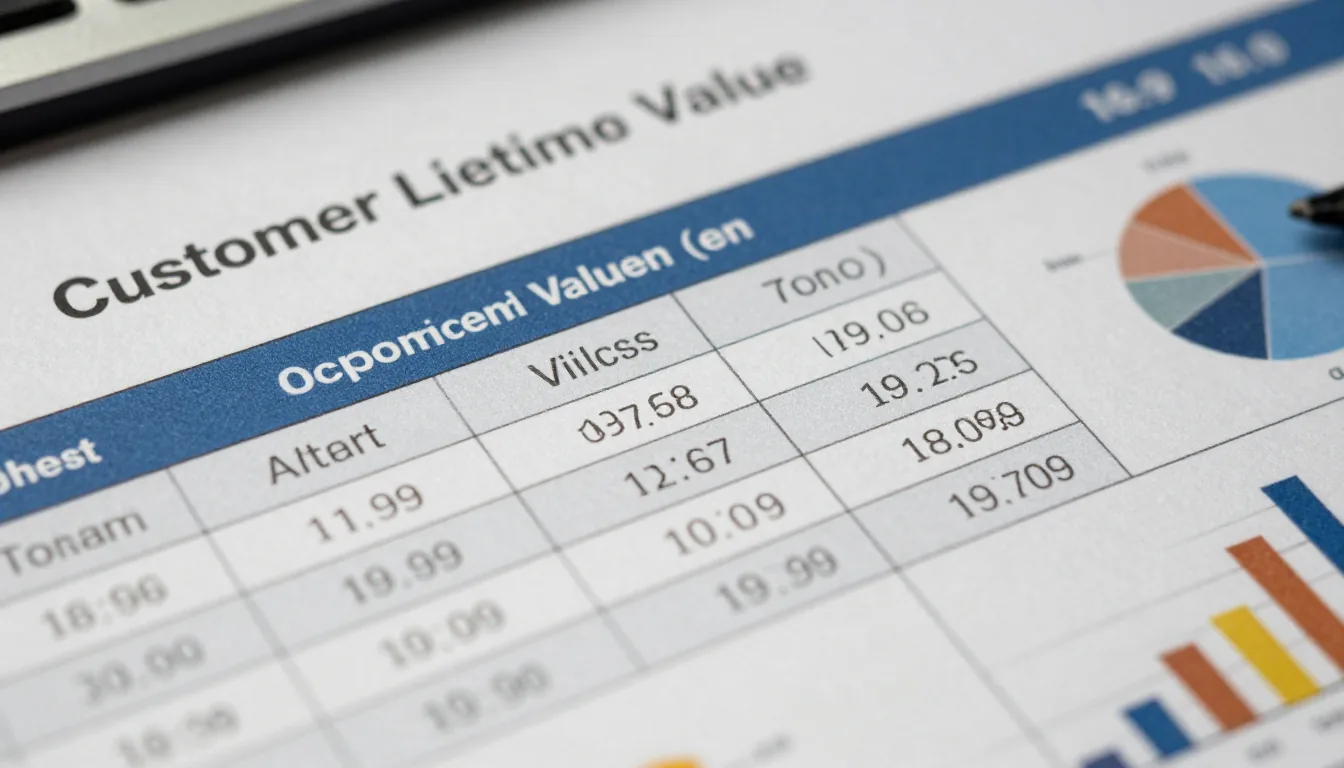
Benchmark CAC against industry averages and track it monthly. If CAC rises without a corresponding increase in revenue, investigate your funnel.
Reducing CAC through targeted ads or referral programs can dramatically improve unit economics. Industry benchmarks vary, but a good rule of thumb is to keep CAC below one-third of LTV.
Monitoring CAC as a founder KPI ensures you’re not overspending to acquire customers. Regular reviews can reveal trends that prompt strategic pivots.
2. Customer Lifetime Value (LTV)
LTV estimates the total revenue a customer generates over their relationship with your company. Calculate it by multiplying average purchase value by purchase frequency and customer lifespan.
A healthy LTV should be at least 3x your CAC to ensure sustainable growth.
Segment LTV by customer cohort to identify which acquisition channels yield the highest value. Use this data to double down on premium channels and refine onboarding to boost retention.
Improving LTV directly impacts your bottom line and overall business health.
LTV is a core founder KPI because it validates your business model. A rising LTV suggests strong product-market fit and customer satisfaction.
3. Monthly Recurring Revenue (MRR)
MRR is the lifeblood of subscription-based businesses. It measures predictable revenue on a monthly basis.
To calculate, add up all subscription fees for the month, adjusting for upgrades, downgrades, and churn. Tracking MRR growth rate helps forecast future income.
Monitor net new MRR (new sales minus churn) weekly. If growth stalls, analyze your sales pipeline or pricing structure.
MRR also guides hiring decisions—ensuring you have the cash flow to support expansion. A consistent MRR growth rate of 10-15% month-over-month is a strong indicator of product-market fit.
Incorporate MRR into your regular founder KPIs dashboard. It provides a real-time pulse on revenue health and scalability.
4. Churn Rate
Churn rate is the percentage of customers who stop using your product over a given period. Calculate it by dividing customers lost by total customers at the start.
High churn erodes LTV and signals dissatisfaction or poor onboarding. Distinguish between voluntary churn (customers leave intentionally) and involuntary churn (payment failures).
Dig into why customers leave—exit surveys and usage data can reveal root causes. Implement retention strategies like personalized check-ins or feature improvements to lower churn.
Even a 1% reduction can significantly boost long-term revenue. Aim for a monthly churn rate below 5% for SaaS businesses.
Churn is a critical founder KPI because it directly impacts growth sustainability. Tracking it weekly allows for rapid course correction.
5. Burn Rate and Runway
Burn rate is how quickly your startup spends its cash reserves. Runway is the number of months until you run out of money, calculated by dividing cash on hand by burn rate.
These metrics are critical for fundraising and cost management. Consider both gross burn (total spending) and net burn (spending minus revenue).
Track both monthly, and consider scenario planning—what if revenue drops or a funding round delays? Maintain a runway of at least 12–18 months to weather uncertainty.
Reducing non-essential costs extends your runway without sacrificing growth. Regularly review your burn rate to ensure sustainable growth.
Burn rate, alongside other founder KPIs, helps you make informed decisions about spending and fundraising. It’s a vital metric for long-term survival.
Turn Metrics into Strategy
Numbers alone won’t grow your business. The magic happens when you use KPIs to inform decisions—reallocating budget, tweaking pricing, or doubling down on retention. Regularly review these founder KPIs with your team and adjust course as needed.
For more insights, explore our Business & Entrepreneurship resources. Learn more about CAC and LTV benchmarks from HubSpot’s guide and Investopedia’s definition. Start tracking today to build a data-driven foundation for scale.