
Why Fall is Ideal for Perennial Planting
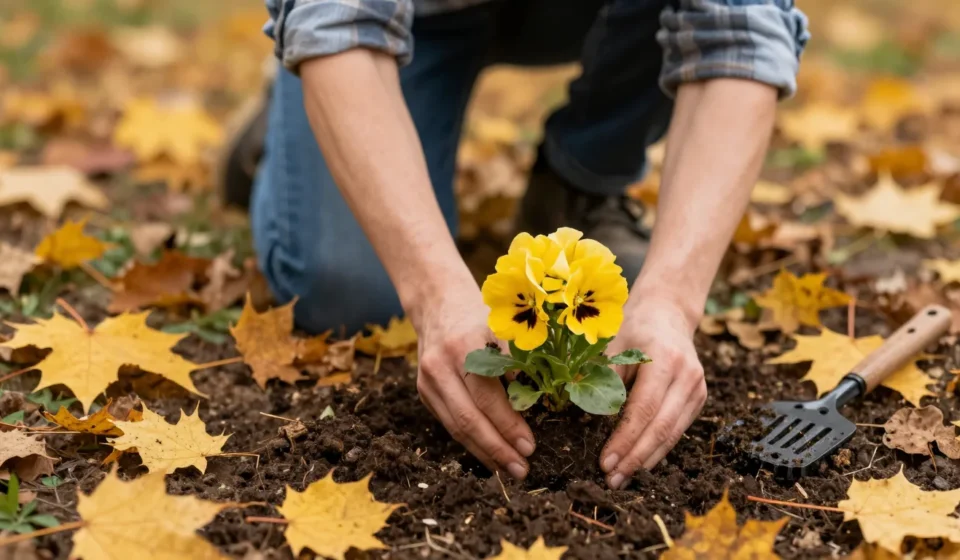
Fall is the ideal time for fall perennial planting because the cool air and warm soil encourage root growth without summer stress. By planting now, your flowers will develop strong systems before winter dormancy.
This window allows plants to settle in naturally, giving you a head start on next spring's blooms. You'll see deeper roots and more vigorous growth compared to spring-planted perennials.
Aim to plant at least six weeks before the ground freezes for best results.
During autumn, soil temperatures remain warm enough for roots to grow while cooler air reduces evaporation. This combination minimizes transplant shock and helps perennials establish quickly.
Preparing the Soil
Success in fall perennial planting begins with well-prepared soil. Enrich your garden beds with compost and aged manure.
Loosen the soil to at least 12 inches to allow roots to spread easily. Remove any weeds or debris that could compete with new plants.
Test the pH and adjust if needed; most perennials prefer slightly acidic to neutral soil (6.0–7.0). Good drainage is critical to prevent rot in wet autumn weather.
If your soil is heavy clay, consider amending with sand or organic matter to improve texture.
Selecting Perennials for Autumn Success
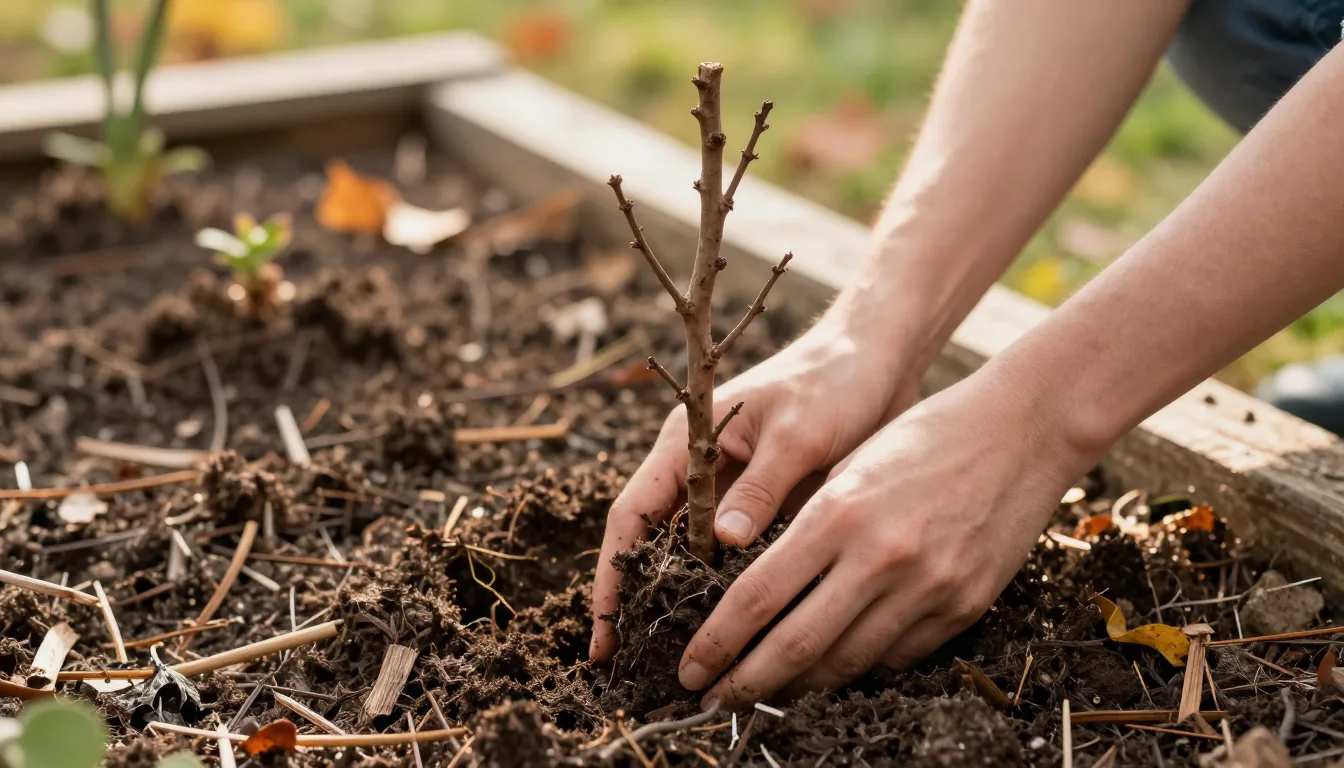
Selecting the right perennials is crucial for successful fall perennial planting. Choose hardy species like peonies, daylilies, and coneflowers that can handle cold.
Avoid tender plants like lavender if your winters are harsh. Some perennials, such as poppies and lupines, actually require a cold period to germinate or bloom well.
Consider also the mature size and bloom time. Plant early bloomers like hellebores for late winter color, and late bloomers like sedum for autumn interest.
This diversity extends your garden's beauty from spring through fall.
Fall Perennial Planting Calendar
This calendar is tailored for optimal fall perennial planting windows. For best results, plant 6–8 weeks before your first hard frost.
In USDA zones 3–5, that's late August to September; zones 6–7, September to October; zones 8–9, October to November. Check your local frost dates using the Old Farmer's Almanac.
Within this window, prioritize planting daylilies and peonies earlier, while coneflowers and black-eyed Susans can go in a bit later. Timing ensures roots establish before winter.
Planting Depth and Spacing
Proper depth and spacing are key to fall perennial planting success. Dig holes twice as wide as the root ball but no deeper than the crown.
Space plants according to their mature size to avoid crowding next year. Overcrowding can lead to poor air circulation and disease.
Place the crown at soil level and backfill gently, firming the soil to remove air pockets. Water thoroughly to settle the roots.
For bare-root plants, soak them in water for a few hours before planting to rehydrate.
Watering and Mulching
Consistent watering is a cornerstone of diligent fall perennial planting care. Keep the soil evenly moist until the ground freezes.
Perennials need consistent water to establish, but avoid waterlogging. Reduce watering as temperatures drop and plants go dormant.
Apply a 2–3 inch layer of organic mulch like shredded bark or straw after the first frost. This insulates roots and prevents heaving from freeze-thaw cycles.
Keep mulch a few inches away from plant stems to prevent rot.
Winter Care and Spring Preparation
Winter care ensures your fall perennial planting pays off. Do not fertilize in fall; let plants go dormant naturally.
Cut back dead foliage after frost to reduce disease risk, but leave some stems for winter interest. Some perennials, like ornamental grasses, provide texture and food for birds.
In early spring, remove mulch gradually as temperatures warm. Your perennials will reward you with early, robust growth.
Watch for signs of new shoots and protect from late frosts if needed.
Avoiding Common Fall Planting Mistakes
Avoid these pitfalls to ensure your fall perennial planting thrives. One common mistake is planting too late, leaving insufficient time for root growth before frost.
Another is overwatering—soggy soil can rot roots. Also, avoid pruning too heavily in fall; leave some foliage to protect the crown.
By sidestepping these pitfalls, your fall planting will thrive.
For more tips, visit our Gardening & Nature section. Also check resources from the Royal Horticultural Society and The Old Farmer’s Almanac for tailored advice.