
Why Leaf Color and Texture Matter
This leaf discoloration guide teaches you to read your plant's leaves as early warning signals. When something goes wrong underground or in the air, leaves change color, curl, or develop spots.
Learning to interpret these signs lets you act before problems become fatal.
Understanding the Leaf Discoloration Guide
Nitrogen Deficiency or Overwatering?
Older leaves turning pale yellow often signal nitrogen shortage. The plant moves nitrogen to new growth, sacrificing old leaves.
Apply compost tea or fish emulsion to restore balance.
If lower leaves are uniformly yellow but veins stay green, suspect magnesium deficiency. Epsom salt dissolved in water can help.
Check the soil moisture before watering.
Chlorosis Between Veins
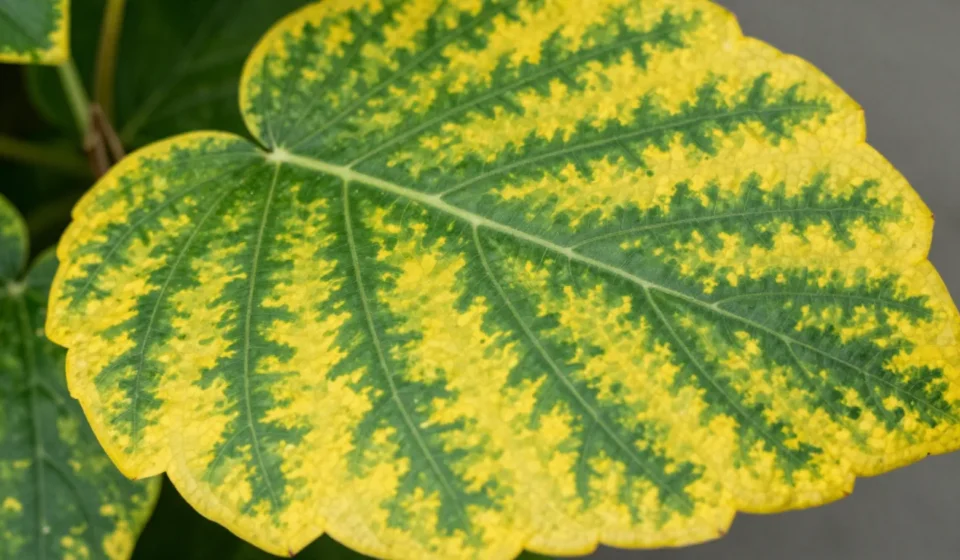
When young leaves show yellowing between dark green veins, iron deficiency is likely. This is common in alkaline soils or after heavy rain.
Chelated iron spray or soil acidification with sulfur works well.
Avoid overwatering, which can leach iron further. Test your soil pH to confirm.
Adjust with organic amendments as needed.
Brown Edges and Scorch Marks
Potassium Deficiency and Salt Burn
Brown leaf tips and margins usually mean potassium shortage or salt buildup from synthetic fertilizers. Switch to organic potassium sources like wood ash or kelp meal.
Flush pots thoroughly with rainwater to remove excess salts.
Sunburn and Wind Stress
Brown patches on the side facing the sun indicate sunscald, especially in young transplants. Harden off gradually and provide afternoon shade.
Windburn causes ragged brown edges with a papery feel; use windbreaks or increase humidity.
Curling Leaves: Pests or Environment?
Aphids and Sucking Insects
Leaves curling downward or distorting often hide colonies of aphids or whiteflies underneath. Spray with neem oil or insecticidal soap, focusing on leaf undersides.
Beneficial insects like ladybugs provide long-term control.
Heat and Water Stress
Upward curling (like a taco) during hot afternoons is a protective response to reduce leaf surface area. Water deeply early morning, and mulch to keep roots cool.
Chronic curling with yellowing may indicate viral infections; remove affected plants to prevent spread.
Spots and Blotches: Fungal vs. Bacterial
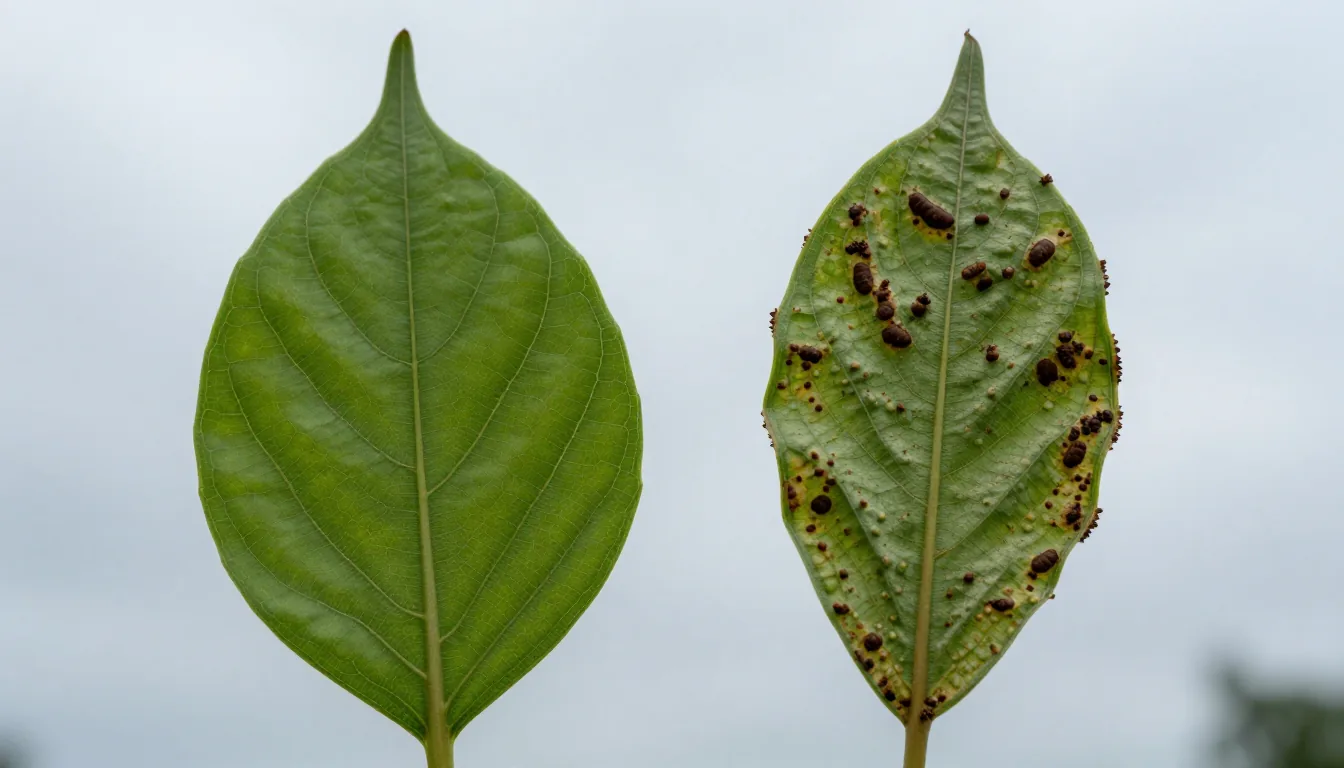
This leaf discoloration guide also covers spotting patterns. Circular brown or black spots with yellow halos are often fungal, especially in humid weather.
Improve air circulation and avoid wetting leaves. Apply a baking soda spray (1 tsp per quart of water) weekly as a preventive.
Remove severely infected leaves to slow the spread. Monitor nearby plants for similar symptoms.
Early detection is key.
Bacterial Leaf Blight
Irregular water-soaked spots that quickly turn brown and papery suggest bacterial infections. Copper fungicides are effective, but only if used early.
Always sanitize tools after handling infected plants.
Pale or Mottled Leaves: Nutrient Imbalances
Manganese and Zinc Deficiencies
Young leaves with interveinal chlorosis and small spots may lack manganese. High pH soils limit uptake; foliar spray with manganese sulfate works quickly.
Zinc deficiency causes stunted growth and mottling; apply zinc sulfate according to directions.
Overfertilization Signs
Leaf tips burned, edges crispy, and overall dark green but weak growth indicate too much nitrogen. Flush soil with water and stop fertilizing for two weeks.
Use organic slow-release amendments to avoid future issues.
Practical Tips for Regular Monitoring
Check your plants at the same time each week. Turn leaves over to spot hidden pests.
Keep a simple journal with photos to track changes over time. Referring to your leaf discoloration guide regularly will help you catch issues early.
Early action based on leaf language saves more than just leaves—it secures your harvest. For more on holistic garden care, visit our Gardening & Nature archive.
Remember, healthy soil grows resilient plants. Support your garden with compost, proper watering, and biodiversity. For further reading on nutrient management, check out University of Minnesota Extension and RHS Leaf Discoloration Guide.