
Water Conservation Garden: Why It Matters
Every drop counts in a healthy garden. With shifting weather patterns, learning to use water wisely is essential. Water conservation garden practices not only save resources but also strengthen your plants against drought.
By working with nature, you can reduce runoff and evaporation. Your garden will thrive with less frequent watering.
This approach also lowers your water bill and supports local ecosystems.
Implementing these strategies is easier than you think. Start small and gradually incorporate more techniques.
Your garden will adapt and become more resilient over time.
Mulching: The Natural Moisture Retainer
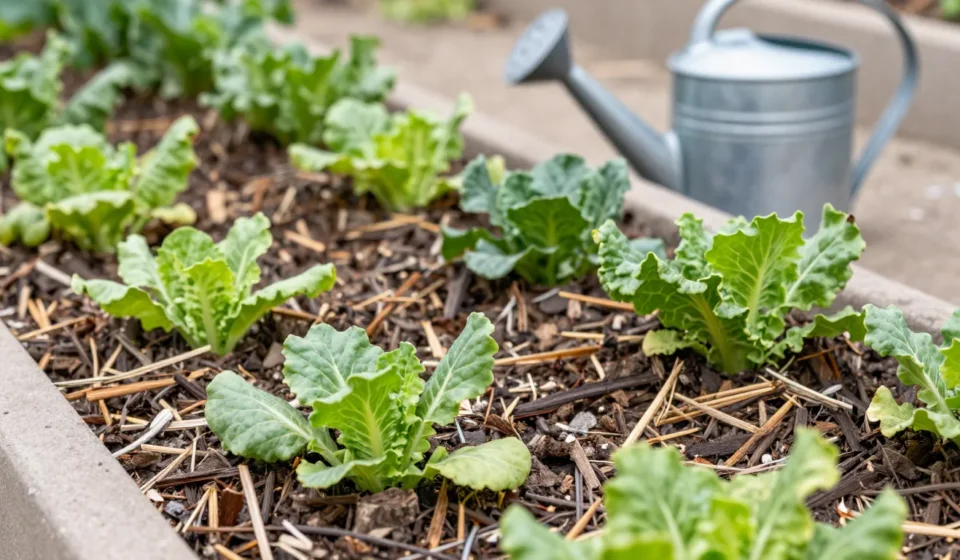
Spread a thick layer of organic mulch around your plants. Straw, wood chips, or shredded leaves work well.
Mulch slows evaporation and keeps soil cool during hot weather.
It also suppresses weeds that compete for water. Aim for 2–4 inches deep, but keep mulch away from stems to prevent rot.
Replenish mulch each season as it decomposes.
Consider using different mulches for different areas. For vegetable beds, straw is excellent.
For ornamental gardens, wood chips add aesthetic appeal. Each type offers unique benefits for moisture retention.
Harvest Rain with Barrels and Cisterns
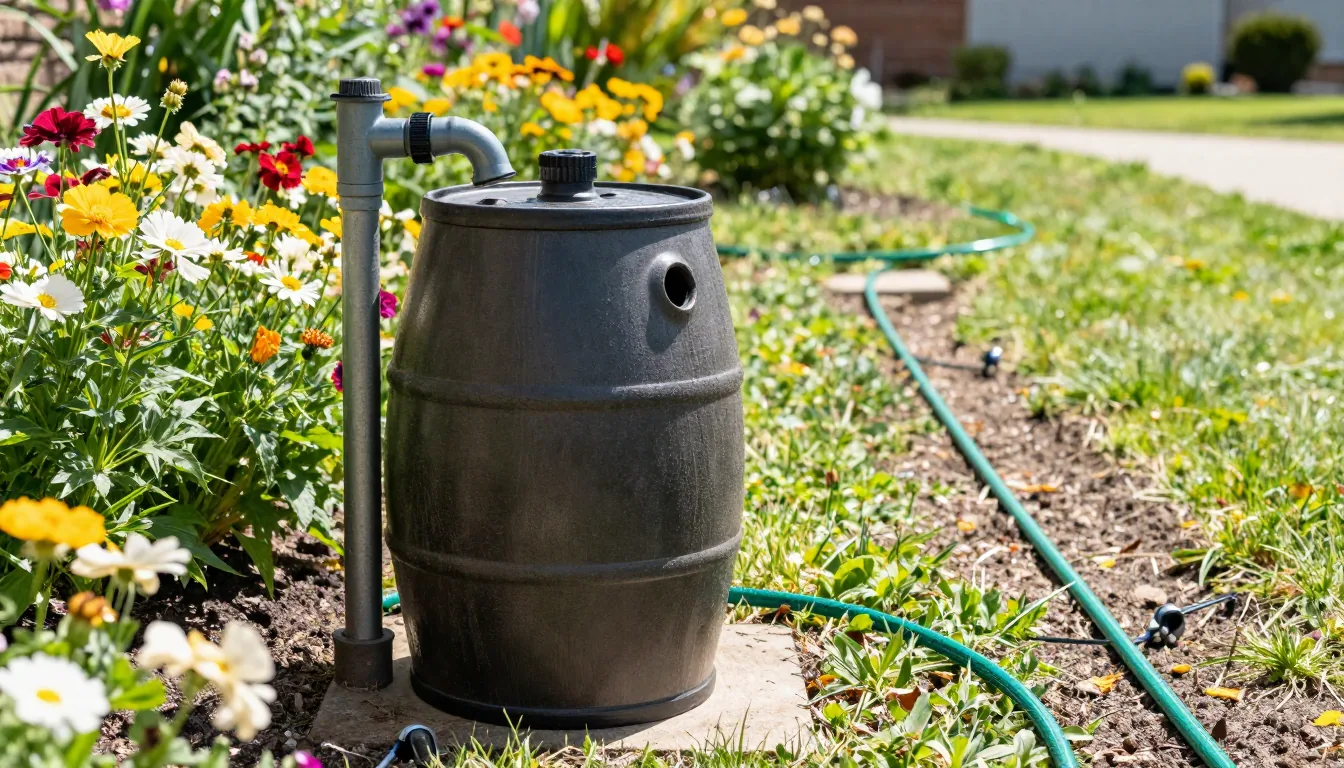
Rain barrels capture water from your roof. Connect them to downspouts to store free water for dry spells.
A single barrel can hold 50 gallons or more, providing a significant reservoir.
Use this water for your garden rather than tap water. It’s chlorine-free and better for soil microbes.
Install a screen to keep out debris and mosquitoes. For larger gardens, consider a cistern system.
Position barrels on sturdy platforms to increase water pressure. Link multiple barrels together for greater capacity.
Even a small barrel can make a difference during short dry periods.
Drip Irrigation: Slow, Deep, Efficient
Drip systems deliver water directly to the root zone. They use 50% less water than sprinklers and reduce weed growth.
Place emitters near each plant’s base for targeted watering.
Set a timer to water early morning to reduce evaporation and fungal diseases. Drip irrigation is easy to install with kits from garden centers.
This method ensures every drop reaches your plants.
Soaker hoses are a simpler alternative for garden beds. They seep water slowly along their length.
Both options save significant water compared to overhead sprinklers.
Improve Soil Health for Better Water Retention
Healthy soil holds moisture like a sponge. Add compost to increase organic matter.
Earthworms and microbes create pore spaces for water storage, boosting your water conservation garden efforts.
Test your soil’s texture to understand its drainage. Sandy soils drain fast; clay soils may need amending with organic matter.
Cover crops and no-till practices further enhance water-holding capacity over time.
Regularly add compost each season. Use cover crops like clover or rye in winter.
These practices build soil structure and reduce the need for frequent watering.
Choose Native and Drought-Tolerant Plants
Native plants are adapted to local rainfall patterns. They require less water once established, making them ideal for water conservation garden strategies.
Look for species with deep roots or silvery leaves that resist drying.
Group plants by water needs – create zones for high, medium, and low water use. This saves water and keeps each plant healthy.
Also, add a layer of gravel or stones around succulents to retain moisture.
Examples include lavender, sage, and yarrow for dry climates. For wetter areas, consider ferns and hostas.
Research plants native to your region for best results.
For more Gardening & Nature tips, explore our archive. Learn from resources like EPA WaterSense and Growing a Greener World for sustainable practices. Even small changes in your gardening routine can make a big difference.
Start implementing these water conservation garden tips today. Watch your garden flourish with less water.
Your plants will thank you with vigorous growth and beauty.