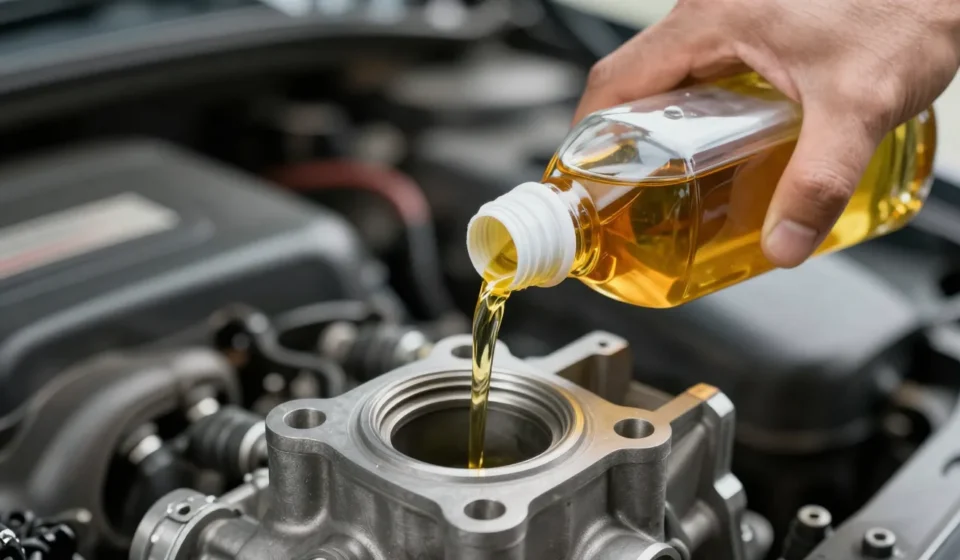
Gearbox Oil Selection: 7 Critical Factors for Manual and Automatic Transmissions

Understanding Viscosity Grades
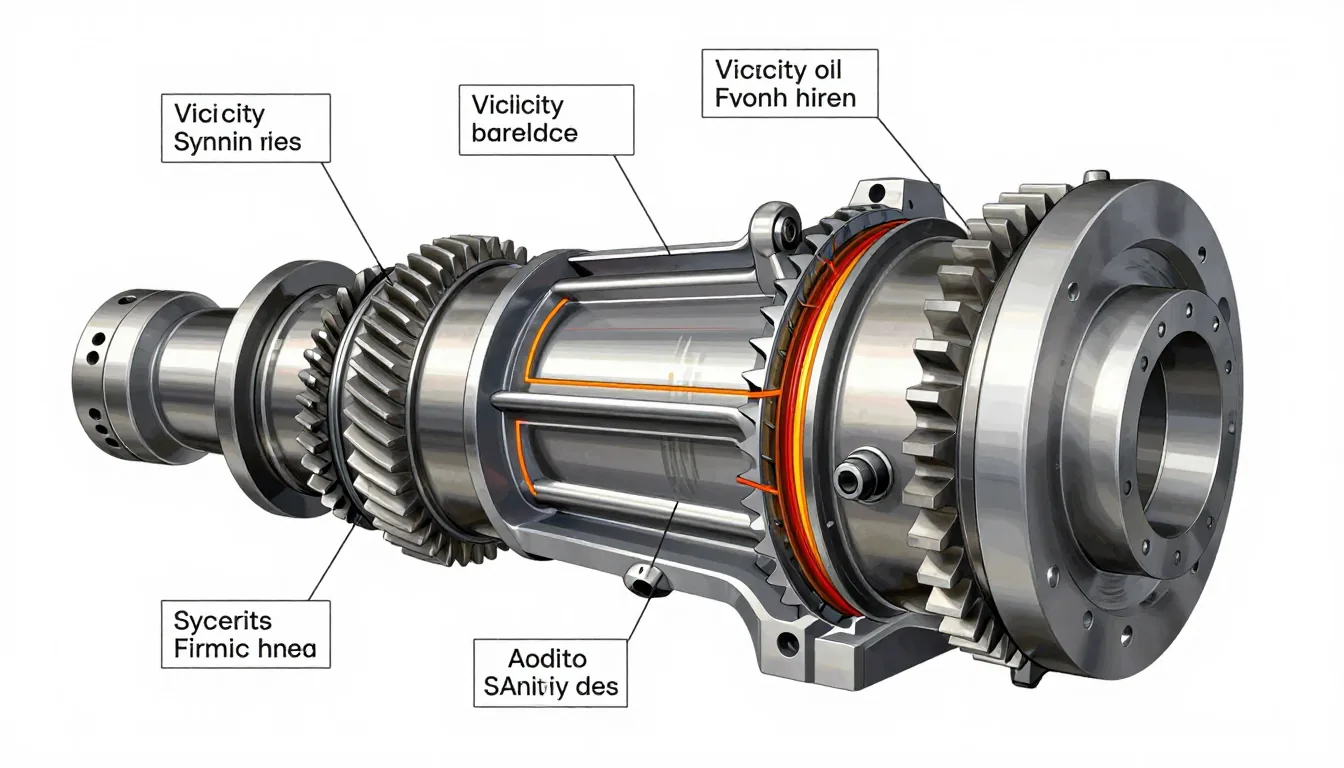
Viscosity is the single most important physical property of gearbox oil, and understanding gearbox oil selection begins here. It determines how well the fluid coats gears and syncros, especially at extreme temperatures.
SAE J306 defines viscosity grades for gear oils, such as 75W-90, where lower numbers indicate better cold flow.
Using oil that is too thick can cause sluggish shifting and increased drag, reducing fuel economy. Conversely, oil that is too thin may not provide adequate film strength, leading to metal-on-metal contact and accelerated wear.
Always match the viscosity to your manufacturer's recommendation. Many modern transmissions require synthetic oils for extended drain intervals and better thermal stability.
For manual gearboxes, a common mistake is using engine oil instead of proper gear oil; engine oil lacks the extreme-pressure additives needed for gear protection. Always verify the SAE grade before pouring.
Additive Packages and Their Functions
Modern gearbox oils contain complex additive packages to enhance performance. Extreme-pressure (EP) additives like sulfur-phosphorus compounds prevent scoring on gear teeth under heavy loads.
Friction modifiers are crucial for limited-slip differentials and synchromesh systems in manual transmissions.
Anti-foam agents prevent air entrapment, while corrosion inhibitors protect internal components. Detergents and dispersants keep sludge and varnish from forming on critical surfaces.
The right additive balance ensures long service life and smooth operation. Some oils include seal conditioners to prevent leaks in older transmissions.
Manufacturer Specifications for Gearbox Oil Selection
Your vehicle's owner manual is the ultimate authority for gearbox oil selection, providing specific requirements for your transmission. Automakers invest heavily in testing to determine oils that meet performance standards like Dexron, Mercon, or GL-4/GL-5.
Using a non-approved oil can void your warranty and cause premature failure.
For example, many BMW manuals require a low-viscosity manual transmission fluid like MTF-LT-3 for optimal cold-shift feel. Always check the API service rating and MIL specs when choosing a replacement.
Never guess based on color or fill point alone, as proper gearbox oil selection prevents costly repairs. If the manual is lost, look for an online resource or consult a dealer.
Manual vs Automatic: Different Requirements
Manual transmissions rely on GL-4 or GL-5 gear oils that protect brass syncros and bronze bushings. GL-4 has lower EP additive levels to avoid corroding yellow metals.
Many modern manuals demand synthetic 75W-80 or 75W-90 for smooth engagement.
Automatic transmissions use specialized fluids (ATF) with different friction characteristics for clutch packs and torque converters. Using gear oil in an automatic will cause slipping and burn bands.
Conversely, ATF in a manual can damage syncros, highlighting why accurate gearbox oil selection matters. Always check the transmission type before buying oil.
Common Mistakes to Avoid
One frequent error is overfilling the gearbox, which increases drag and can cause foaming. Another is mixing different brands or types of oil, potentially causing additive incompatibility.
Always drain and refill with a single, approved product. Overfilling also leads to leaks from seals under pressure.
Using a generic “one-size-fits-all” oil can be disastrous; for instance, some GL-5 oils are too aggressive for brass syncros. Finally, ignoring the change interval—many gearboxes require fluid replacement every 30,000 to 60,000 miles for optimal protection.
Proper gearbox oil selection extends transmission life and prevents expensive repairs.
How to Check and Change Gearbox Oil
Checking manual gearbox oil typically involves removing a fill plug and feeling the level with a finger. Automatic transmissions often have a dipstick or a fill hole with a temperature check procedure.
Always follow the service manual's exact method, as some cars need the engine running for accurate readings.
When changing, warm the vehicle slightly, drain the old fluid, and replace with the correct type. Use a fluid pump for refilling and check level on level ground.
Dispose of used oil responsibly at a recycling center to ensure environmental safety. Regular checks help catch low levels early, preventing damage.
For further reading, consult API oil categories and Machinery Lubrication’s gear oil guide. Also, explore more Automotive & Mobility articles for in-depth technical insights.