
Why a Winterize Car Checklist Matters for Cold-Weather Reliability
Using a comprehensive winterize car checklist is the first step to ensuring your vehicle survives sub-zero temperatures. When the mercury drops, battery capacity can fall by 40% at -18°C, oil thickens, and coolant may freeze if not properly rated.
Without a systematic checklist, you risk being stranded with a dead battery or a cracked engine block.
This guide walks through the critical areas—battery, coolant, tires, fluids, and lighting—that determine whether your car starts and drives safely all winter. Following a reliable winterize car checklist will save you time, money, and frustration when the weather turns harsh.
Battery Health: The Cold-Cranking Amp Test
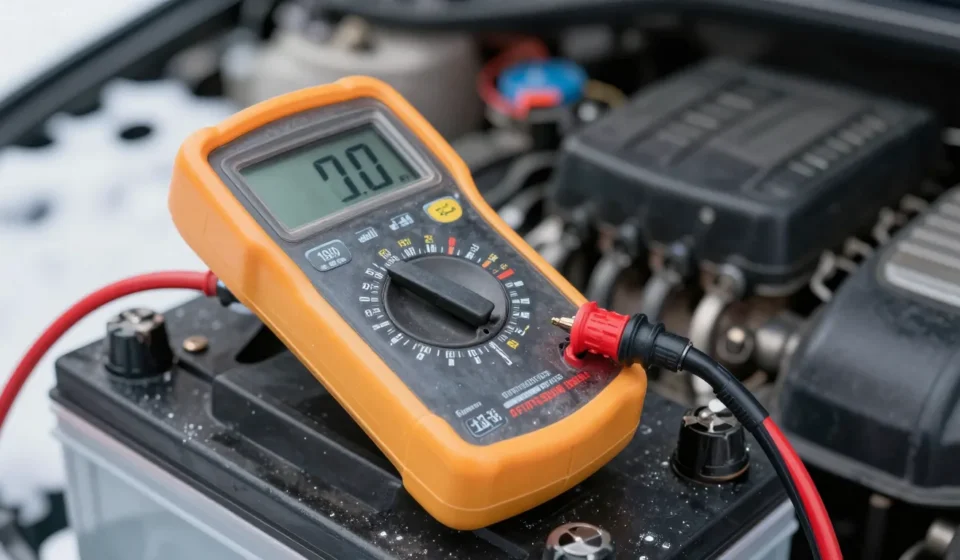
Your battery works hardest during winter starts. Have a load test performed to measure its cold-cranking amps (CCA) capacity.
If the CCA is below 70% of the rating, replace the battery before temperatures drop further.
Clean any corrosion from terminals and ensure the battery is securely mounted. A loose battery can suffer internal damage from vibration.
Consider using a battery maintainer if the car sits for more than a few days.
Coolant System: Freeze Protection and Mixture Ratios
Check your coolant's freeze point with a refractometer or test strips. A 50/50 mix of ethylene glycol and water typically protects down to -37°C.
For extreme climates, a 60/40 mix extends protection to -52°C but reduces heat transfer efficiency.
Inspect hoses for cracks and the radiator cap for proper seal pressure. A cooling system weak point can cause antifreeze loss, leading to freeze damage.
Coolant Flush Schedule
Replace coolant every 2–3 years or per manufacturer interval. Old coolant loses its corrosion inhibitors and freeze protection.
Flushing removes contaminants that can clog the heater core and reduces the risk of sudden failure.
Tires: Grip and Pressure for Slippery Roads
All-season tires lose significant grip below 7°C. If you live where snow or ice is common, install dedicated winter tires with the Three-Peak Mountain Snowflake symbol.
Winter rubber compounds stay pliable in low temperatures, providing better traction.
Check tire pressure monthly—cold weather drops pressure by about 1 psi per 5°C. Underinflated tires reduce traction and increase wear.
Also verify tread depth; at least 4 mm for safe snow performance. Proper tire maintenance is a cornerstone of any winterize car checklist.
Fluids: Oil, Washer Fluid, and Brake Fluid
Switch to a winter-grade engine oil if your region experiences extreme cold. For example, 0W-20 flows better at -30°C than 5W-30.
Check the owner's manual for recommended viscosity for cold climates to ensure proper lubrication during start-up.
Fill the windshield washer reservoir with a -30°C rated fluid to prevent freezing on the glass. Also check brake fluid moisture content with a test pen; water contamination lowers the boiling point and can cause brake fade or freeze in the lines.
Keeping these fluids topped off is part of a diligent winterize car checklist.
Lights and Electrical System
Winter days are shorter, so headlights, taillights, and turn signals must work perfectly. Clean lenses often to remove road salt and grime that dim output.
Check for burnt bulbs and replace them as needed.
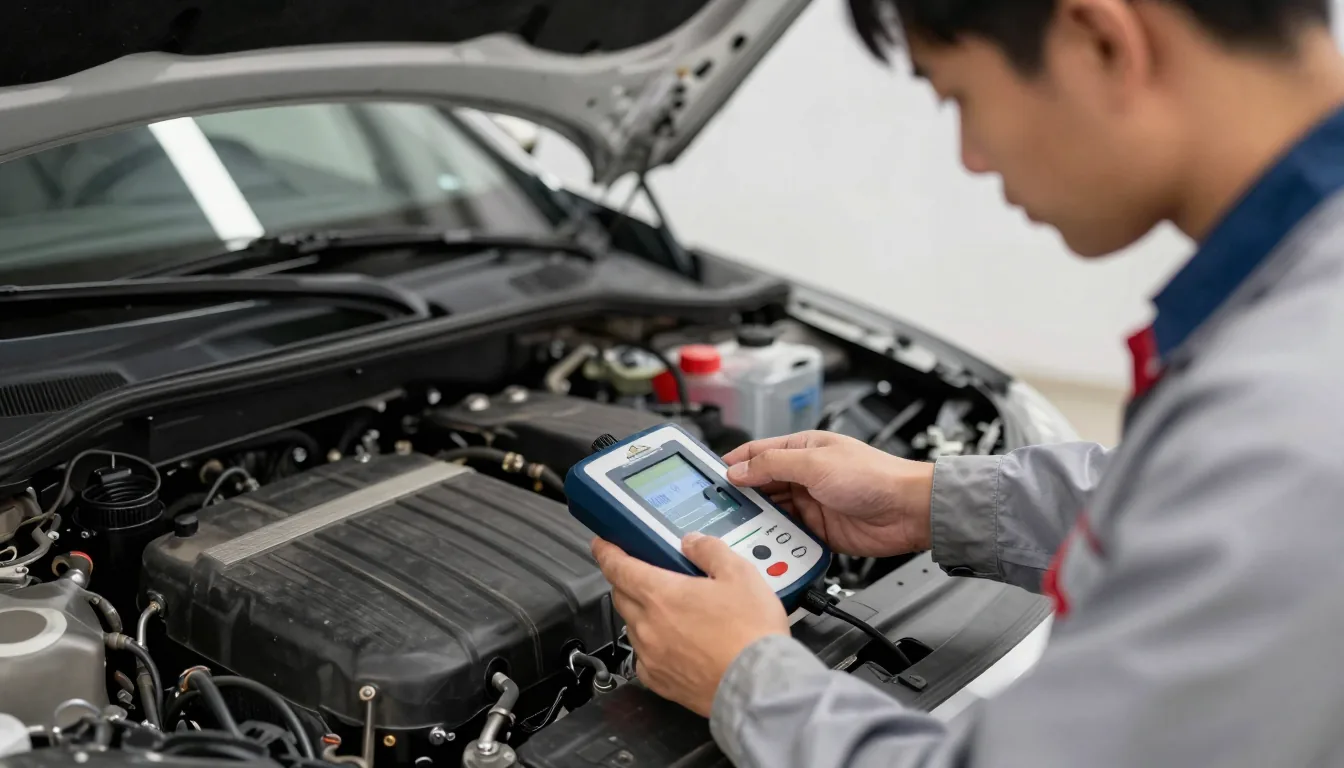
Inspect the alternator and drive belt for proper tension. A failing alternator can leave you with a dead battery at the worst time.
Ensure all electrical connections are clean and tight to avoid intermittent failures.
Additional Cold-Weather Checks
- Heater and defroster: Test both for airflow and temperature. A failing heater core or thermostat can leave you with fogged windows and a cold cabin.
- Wiper blades: Install winter blades with a rubber boot to prevent ice buildup. Replace if they streak or leave gaps.
- Drive belt and hoses: Inspect for cracks, glazing, or looseness. A snapped belt leaves you without power steering and alternator output.
- Emergency kit: Carry an ice scraper, jumper cables, a flashlight, warm blanket, and a bag of sand for traction. A well-stocked kit is a smart addition to any winterize car checklist.
Following this comprehensive winterize car checklist will drastically reduce your odds of a cold-weather breakdown. For more Automotive & Mobility maintenance guides, check our other articles. External resources: AAA Winter Car Care and Popular Mechanics Winterizing Tips.