
Why Turbocharged Engine Maintenance Matters
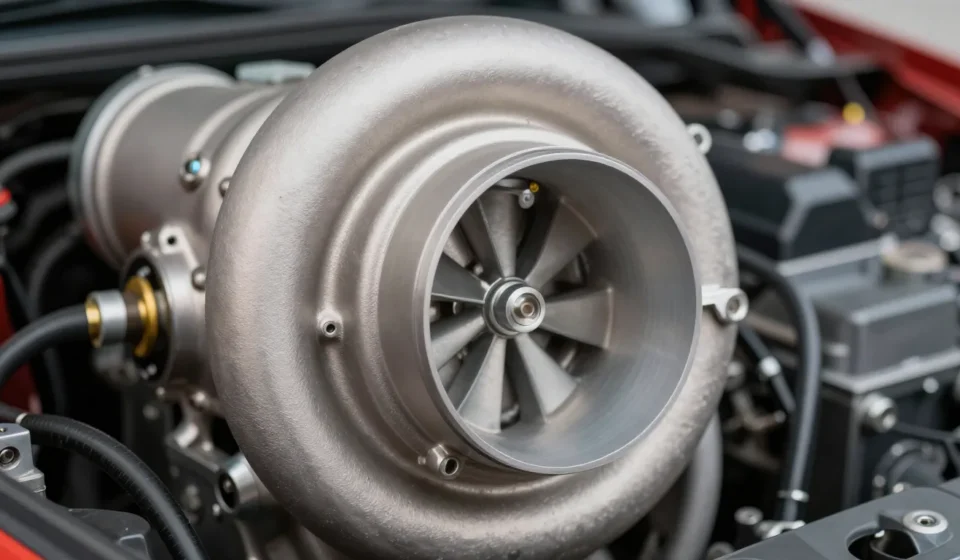
Turbochargers operate at extreme temperatures and rotational speeds, often exceeding 150,000 RPM. Without diligent turbocharged engine maintenance, these components can fail prematurely.
The key is to address the unique demands of forced induction systems through proactive care. Effective turbocharged engine maintenance requires attention to every detail—from oil to boost control.
Implementing a consistent routine is the single best way to extend turbo life and avoid unexpected breakdowns.
1. Adhere to Strict Oil Change Intervals
Oil is the lifeblood of any turbocharger. It lubricates the floating bearings and carries away heat from the turbine shaft.
For a turbocharged engine, using high-quality synthetic oil meeting the manufacturer’s spec is non-negotiable. Stretching intervals increases sludge formation, which can block oil passages and starve the turbo.
Most automakers suggest oil changes every 5,000 to 7,500 miles for turbo engines. Severe driving demands more frequent changes—stick to 3,000–5,000 miles if you drive hard.
Always check the dipstick at every fuel fill; low oil level is a turbo killer. Using the correct viscosity and API rating ensures the oil film remains strong under extreme heat.
Why Synthetic Oil Is Essential
Conventional oils break down faster under high heat, losing viscosity and film strength. Synthetic oils resist thermal degradation and maintain consistent flow at high temperatures.
Use only oils labeled for turbocharged engines, preferably with an API SN or SP rating. This simple choice supports all other turbocharged engine maintenance efforts.
2. Always Perform a Cool-Down Period
After a spirited drive or highway cruise, the turbocharger can be glowing hot. Shutting off the engine immediately stops oil circulation, trapping heat and causing oil to coke on bearing surfaces.
Neglecting this step undermines all other turbocharged engine maintenance routines. This carbon buildup leads to shaft play and eventual seal failure.
The rule is simple: allow the engine to idle for 30–60 seconds before switching off. Better yet, drive gently for the last mile of your trip to gradually reduce turbo temperatures.
Modern turbo timers or turbo blankets can help, but nothing beats driver habit. A cool-down routine is cheap insurance against coking.
3. Inspect for Boost Leaks Regularly
Boost leaks are common in forced induction systems. They cause the turbo to spin faster to compensate, leading to overspeed and premature bearing wear.
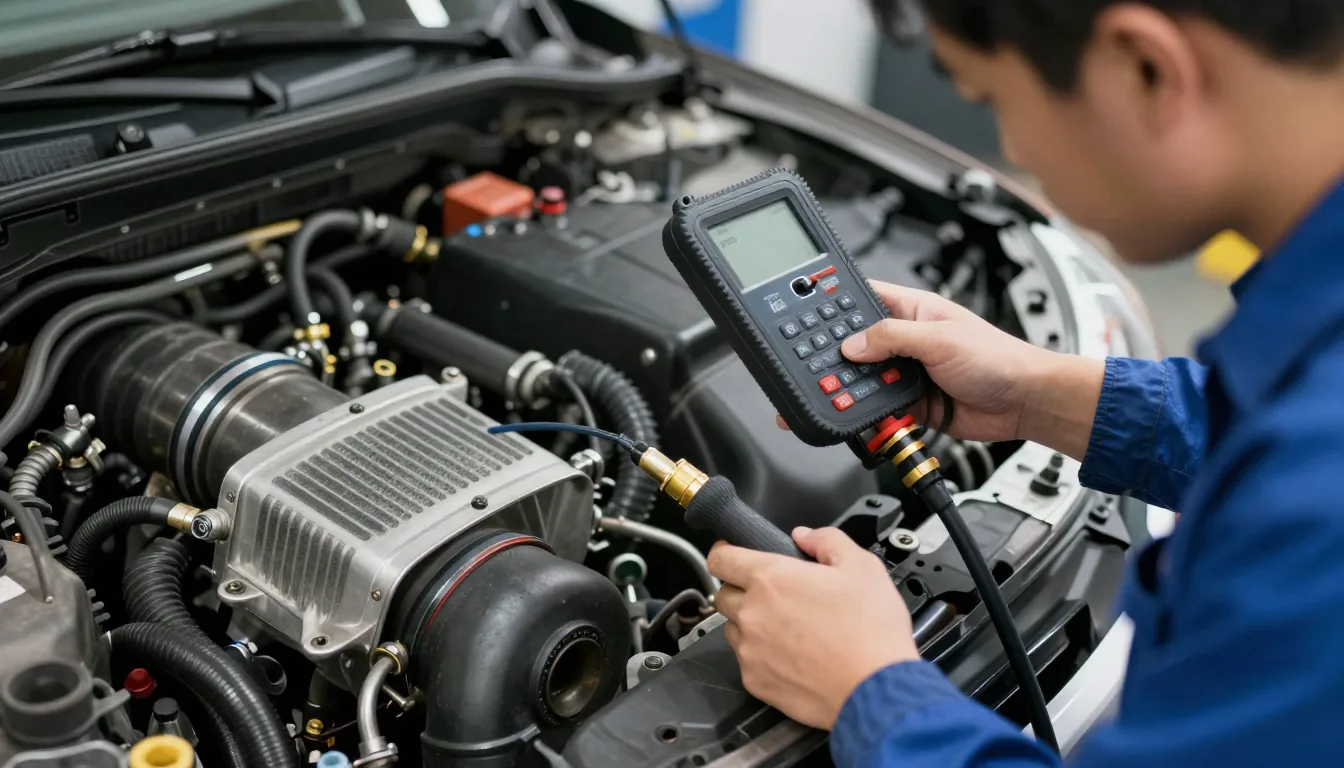
Common leak points include intercooler couplings, intake hoses, and wastegate connections. A boost leak tester is a must-have tool.
Signs of a boost leak include a hissing sound under acceleration, poor throttle response, and a check engine light for lean AFR. Inspect all silicone hoses and clamps every oil change.
Tighten loose clamps and replace cracked hoses immediately. Also check charge pipe O-ring seals.
A simple boost leak test can prevent catastrophic failure.
4. Use Quality Air Filters and Intake Components
Dust and debris entering the turbo can damage compressor wheel blades and wear down seals. Use a high-quality, properly oiled cotton gauze or dry filter that meets OE specifications.
Avoid cheap, no-name cones that allow excessive particulates. Replace the filter at manufacturer intervals—or sooner if driving on dusty roads.
Inspect the entire intake tract for cracks or loose connections. Even a small gap after the mass airflow sensor can let unfiltered air enter.
Consider a pre-filter for off-road use.
A clean intake ensures the turbo breathes only clean air, extending its life.
5. Monitor Wastegate and Actuator Function
The wastegate controls boost pressure by routing exhaust gas away from the turbine. Wastegate inspection is often overlooked in turbocharged engine maintenance regimens.
A stuck or weak wastegate can cause overboost, leading to detonation or turbo overspeed. Test the actuator by applying vacuum or pressure and watching the arm movement.
Listen for rattling on deceleration—that indicates worn wastegate linkage. Reprogramming the ECU to raise boost without upgrading wastegate capacity is a common mistake.
Ensure the wastegate can handle the increased flow. Also check the boost control solenoid and hoses for restrictions or leaks.
Regular wastegate checks are a small effort that pays big dividends.
In summary, these five tips form the backbone of responsible turbocharged engine maintenance. By following them, you can avoid premature failure and enjoy reliable performance.
For more insights on forced induction reliability, visit the Automotive & Mobility section. External resources like Turbo Dynamics’ maintenance guide and Engine Builder Magazine’s turbo tips offer further depth.