
What Are Polyhydroxy Acids?
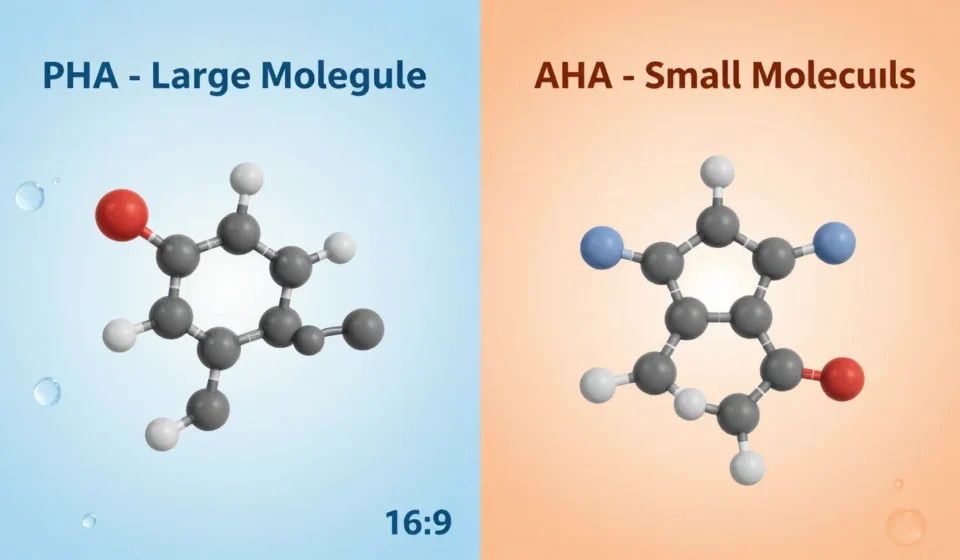
Polyhydroxy acids (PHAs) are a class of chemical exfoliants derived from natural sources. When comparing PHAs vs AHAs, the key difference is molecular size: PHAs are larger and gentler, making them ideal for sensitive skin.
Unlike traditional AHAs, PHAs have multiple hydroxyl groups that bind water, providing exfoliation with hydration.
This unique combination makes PHAs a standout choice for those with reactive or dry skin. They dissolve dead skin cells without penetrating deeply, reducing the risk of irritation.
PHAs vs AHAs: Key Differences
Molecular size isn't the only distinction in the PHAs vs AHAs comparison. AHAs like glycolic acid require a low pH (3–4) for efficacy, which can sting compromised skin.
PHAs work effectively at a higher pH (around 5), closer to the skin's natural acidity, reducing discomfort. Additionally, PHAs offer antioxidant benefits, neutralizing free radicals without the sting.
Another advantage in the PHAs vs AHAs debate is hydration: PHAs act as humectants, drawing moisture into the skin, while AHAs can be drying. This makes PHAs particularly suitable for dry or eczema-prone skin.
Benefits for Sensitive and Dry Skin
PHAs improve texture and tone without disrupting the barrier. They gently loosen intercellular bonds in the stratum corneum, promoting cell turnover.
The humectant effect means they attract water, counteracting the dryness often associated with exfoliation. Studies show PHAs are well-tolerated even by those with atopic dermatitis.
Regular use can diminish fine lines, hyperpigmentation, and roughness. Because they are less penetrating, PHAs are also safer around the eyes and neck.
They can be used daily or every other day, depending on tolerance.
How to Incorporate PHAs Into Your Routine
Start with a low concentration (5–10%) and apply after cleansing. Follow with a moisturizer containing ceramides or peptides.
PHAs can be layered with other actives like niacinamide or hyaluronic acid. Avoid combining with strong AHAs or retinol initially to prevent over-exfoliation.
For daytime, always finish with broad-spectrum sunscreen. PHAs do not increase photosensitivity as much as AHAs, but protection is still essential.
Nighttime use allows for deeper exfoliation while you sleep.
Choosing the Right PHA Product
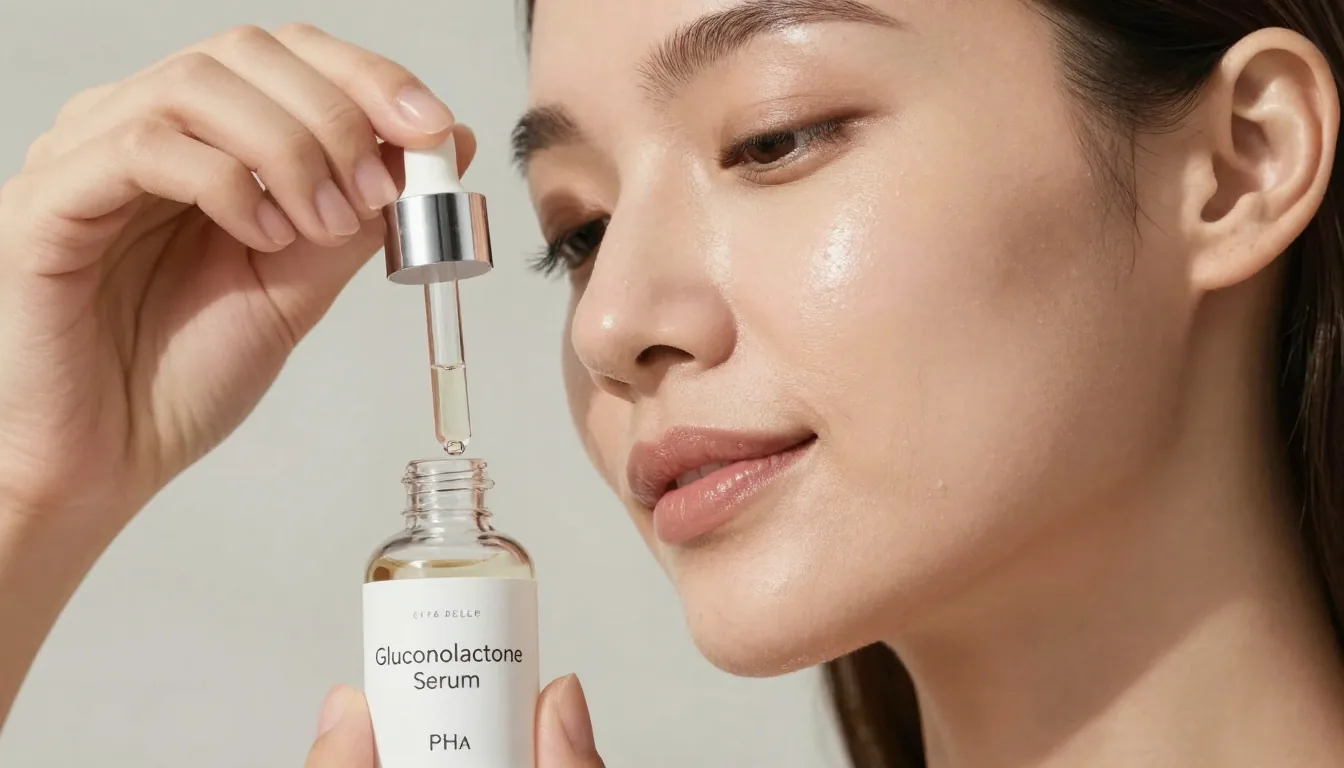
Look for gluconolactone or lactobionic acid on the ingredient list. Formulations with soothing botanicals like aloe or allantoin enhance tolerance.
Avoid products with alcohol, fragrance, or essential oils that can irritate sensitive skin.
Consider a leave-on serum or lotion rather than a rinse-off peel, as longer contact delivers more consistent results. For beginners, a toner with 5% PHA is a gentle entry point.
The Science Behind PHA Exfoliation
PHAs work by chelating calcium ions that hold corneocytes together. This weakens desmosomes, allowing dull cells to shed.
Because PHAs are larger, they act primarily on the surface, avoiding the deeper layers that trigger inflammation. The water-binding property also supports the skin microbiome.
Research indicates PHAs can stimulate collagen production over time, similar to AHAs but with less risk of barrier damage. This makes them a strong choice for anti-aging in reactive skin.
Common Myths About PHAs and AHAs
Some believe PHAs are too weak to be effective, but they provide consistent results with minimal irritation. Others think all exfoliants are drying, yet PHAs actually hydrate.
Understanding the PHAs vs AHAs distinction helps debunk these myths for better skincare choices.
Potential Side Effects and Precautions
Side effects are rare but may include mild tingling or redness if overused. Always patch test first.
Increase frequency gradually from once a week to nightly as tolerated. If irritation occurs, reduce to every other day and boost barrier repair with ceramide creams.
PHAs are safe during pregnancy, unlike retinoids, but consult a dermatologist. For optimal results, pair with a consistent sunscreen routine.
Interested in learning more? Explore our Beauty & Skincare section for related articles. For scientific depth, refer to this study on PHA efficacy or the American Academy of Dermatology’s exfoliation guide.