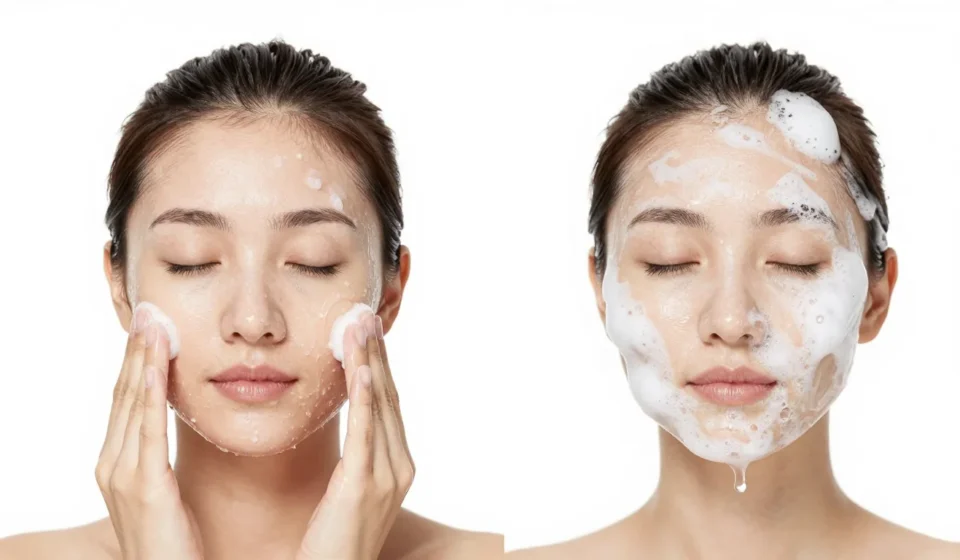

What Is the Double Cleansing Method?
The double cleansing method is a two-step skincare technique that starts with an oil-based cleanser followed by a water-based cleanser. This approach leverages the principle of ‘like dissolves like’—oil dissolves oil-based impurities such as sebum, sunscreen, and makeup, while the water-based cleanser removes water-soluble debris like sweat and dust. By separating these actions, you achieve a deeper, gentler clean without stripping the skin barrier.
Originating from Korean skincare, this method has gained scientific backing for its efficacy. Oil-based cleansers typically contain emollients like jojoba oil or glycerin, which break down hydrophobic substances.
Water-based cleansers then lift away residual oil and impurities, leaving the skin fresh and balanced. It’s particularly beneficial for those with oily, acne-prone, or sensitive skin, as it reduces the need for harsh surfactants.
Oil-Based Cleansers: The First Step
How Oil Dissolves Oil
Oil-based cleansers are formulated with lipids—such as mineral oil, micellar oils, or natural plant oils—that dissolve sebum and oil-soluble pollutants. When massaged onto dry skin, the oil binds to makeup, sunscreen, and excess sebum, loosening them from pores.
This process is called 'emulsification' when water is added, turning the mixture into a milky consistency that rinses clean.
Common ingredients include squalane, which mimics skin’s natural lipids, and polysorbates that aid emulsification. Unlike makeup wipes that rely on friction, oil cleansing minimizes irritation by dissolving impurities without aggressive rubbing.
For maximum efficacy, choose an oil cleanser tailored to your skin type—non-comedogenic options for acne-prone skin or nutrient-rich formulas like marula oil for dry skin.
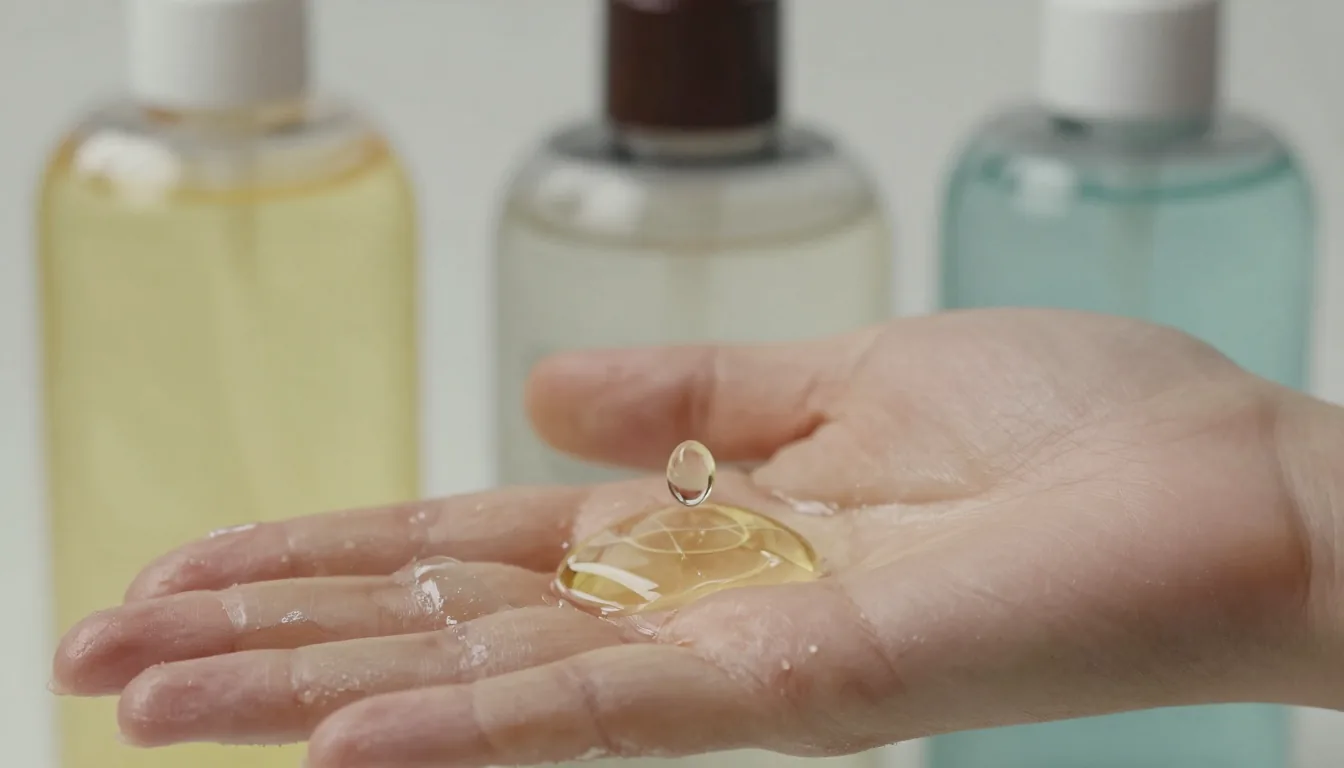
Water-Based Cleansers: The Second Step
Removing Water-Soluble Residue
After the oil step, a water-based cleanser (gel, foam, or cream) removes any leftover oil, sweat, and environmental pollutants. These cleansers use surfactants like sodium lauroyl glutamate or cocamidopropyl betaine, which are mild compared to sulfates.
They lift water-soluble debris and emulsify any remaining oil, ensuring no residue clogs pores.
This step also restores pH balance, as most water-based cleansers are formulated to be slightly acidic (pH 4.5–5.5). The double cleansing method ensures that neither hydrophobic nor hydrophilic impurities are left behind, making it ideal for nighttime routines after sunscreen and makeup wear.
For sensitive skin, look for hydrating ingredients like glycerin or ceramides.
Key Advantages of This Cleanse Routine
- Prevents Breakouts: By thoroughly removing pore-clogging oil and bacteria, it reduces acne formation.
- Enhances Product Absorption: A clean base allows serums and moisturizers to penetrate more effectively.
- Supports Skin Barrier: Gentle cleansing avoids over-stripping natural oils, maintaining the lipid barrier.
- Improves Texture: Regular use can minimize blackheads and bumps from buildup.
Research supports that the double cleansing method outperforms single-step methods in removing long-wear makeup and sunscreen. For example, a study published in the Journal of Cosmetic Dermatology found that oil cleansing followed by water-based foam significantly improved skin hydration and oiliness compared to soap alone. Another study on sunscreen removal confirmed that this method is essential for complete photoprotective residue elimination.
Who Benefits from This Two-Step Cleanse?
Virtually all skin types can benefit, but it’s especially valuable for those who wear makeup, sunscreen, or live in high-pollution areas. Oily and acne-prone skin may see reduced congestion, while dry skin gains gentle hydration from the oil step.
Even sensitive skin can tolerate it when using soothing ingredients like centella asiatica in the water cleanser. However, those with severely compromised barriers should start cautiously with non-foaming formulas.
For more insights on building an effective routine, explore our Beauty & Skincare category, which covers additional strategies for maintaining skin health.
Product Selection Tips
- Oil Cleanser: Choose unscented, mineral oil or glycerin-based formulas for sensitive skin.
- Water Cleanser: Pick a low-pH gel or cream cleanser that doesn’t foam excessively.
- Avoid: Micellar water as a second step (it’s a first-step alternative).
For further reading on cleansing science, check this comprehensive guide from Dermstore or Allure’s expert breakdown.
Common Mistakes to Avoid
One common mistake when using the double cleansing method is using a harsh water-based cleanser that strips skin after the oil step. Always opt for gentle, non-foaming formulas.
Another is skipping the oil cleanse on days without makeup—but sunscreen and sebum still require oil dissolving. Lastly, using too much oil can leave residue; follow the product instructions for quantity (usually 2–3 pumps).
The double cleansing method is not just a trend but a scientifically sound approach to skincare. By respecting the solubility properties of different impurities, you achieve optimal cleansing that primes your skin for the rest of your regimen.