
Understanding Squalane vs. Squalene
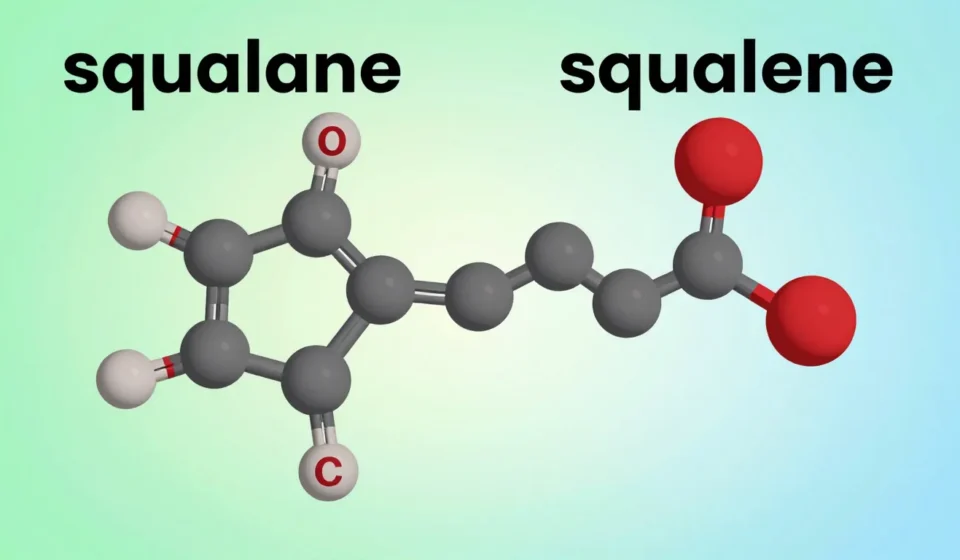
Both squalane and squalene are natural moisturizers, but squalane benefits skin by providing stable hydration without oxidation. Squalene, a lipid our skin produces, breaks down quickly.
Squalane, its hydrogenated form, resists rancidity and keeps your skin barrier intact.
This structural difference matters: squalane mimics your sebum without causing irritation. For decades, it has been a preferred ingredient in Beauty & Skincare products. Replenishing squalene with squalane helps maintain moisture levels and supports barrier function.
Understanding these basics helps you choose products wisely. Squalane is derived from olive, sugarcane, or even shark liver—plant sources are most sustainable.
Unlike squalene, squalane does not degrade under light or air, ensuring longer shelf life and consistent performance.
Why Squalane Hydration Outperforms Squalene
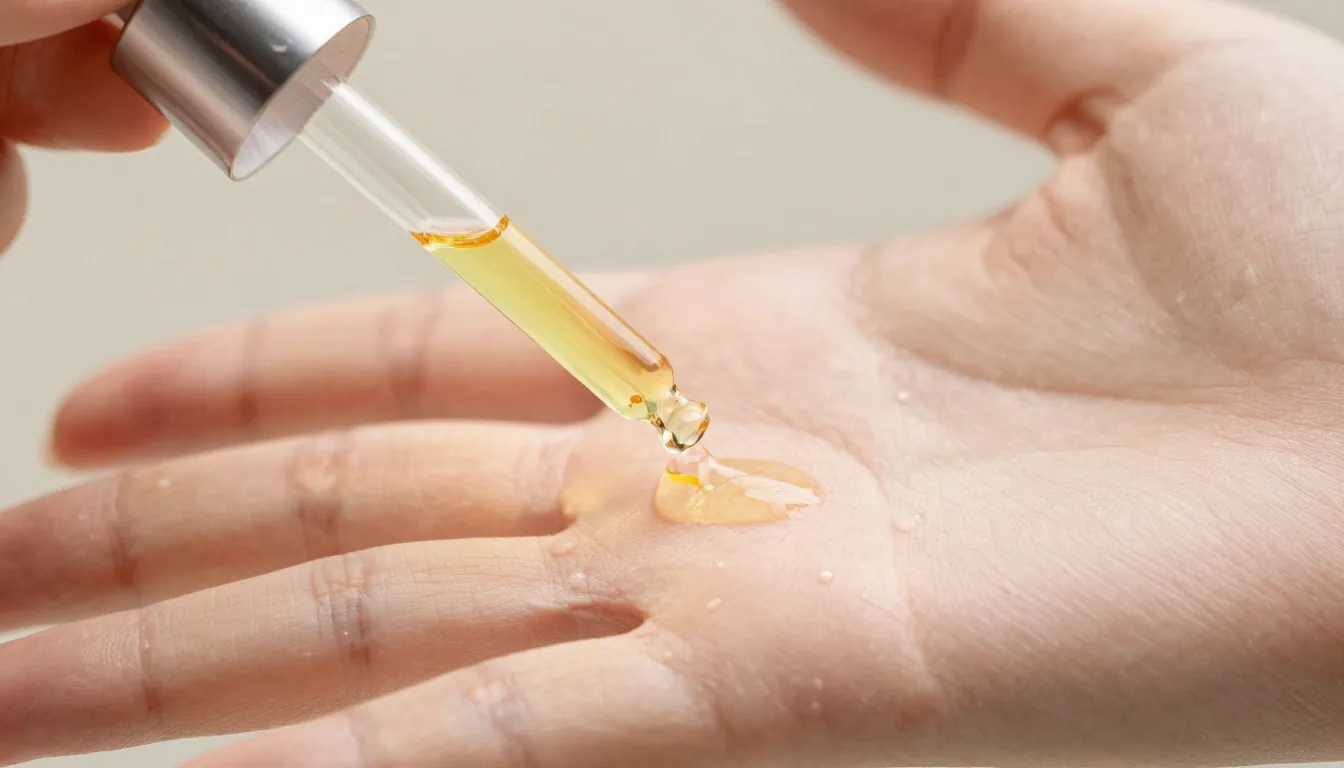
Squalane benefits include deep hydration without clogging pores. As a lightweight oil, it penetrates quickly, boosting moisture and strengthening the skin barrier.
Studies show that squalane reduces water loss and improves elasticity by up to 30% within two weeks.
For conditions like eczema, squalane soothes inflammation and restores lipid balance. It is non-comedogenic, making it safe for acne-prone skin.
When paired with retinol or vitamin C, squalane enhances absorption and minimizes irritation. Its antioxidant properties help protect against environmental damage.
Additionally, squalane benefits oily skin by regulating sebum production. It signals the skin to produce less oil, balancing hydration without greasiness.
This dual action—hydration and barrier repair—makes it a versatile ingredient for all skin types.
Sourcing and Stability
Squalane sourced from olives or sugarcane is biodegradable and eco-friendly. Unlike squalene, which requires antioxidants to stay fresh, squalane remains stable on its own.
This stability allows manufacturers to include it in serums, moisturizers, and even makeup.
Clinical trials confirm that squalane benefits sensitive skin by reducing redness and preventing transepidermal water loss. For anti-aging, its plumping effect minimizes fine lines. External sources like Healthline and Byrdie highlight these advantages over squalene.
How to Incorporate Squalane into Your Routine
Choose a 100% pure squalane oil or a serum with it as a key ingredient. Apply after water-based serums but before heavier creams.
A few drops lock in moisture and seal the protective layer, ideal for both morning and evening use.
For best results, pair squalane with ceramides or niacinamide to boost barrier function. It works well under sunscreen and makeup without greasiness.
Always patch-test if you have allergies to plant-derived oils. Squalane is safe during pregnancy and for all ages.
In comparison, squalene performs similarly but requires careful formulation. Because it oxidizes rapidly, fresh squalene products must be used quickly.
Unless you prefer a DIY approach, squalane is the practical choice for consistent skincare.
Squalane Suitability Across Skin Types
Dry and Dehydrated Skin
For dry skin, squalane acts as an emollient, filling cracks in the moisture barrier. It locks in hydration and prevents water loss.
Over time, it restores softness and reduces flakiness.
Oily and Acne-Prone Skin
Despite being an oil, squalane is lightweight and non-comedogenic. It sends signals to reduce sebum production.
This balances hydration without causing breakouts.
Sensitive and Reactive Skin
Squalane is naturally gentle and mimics your skin’s own lipids. It calms inflammation and strengthens the barrier.
Many dermatologists recommend it for rosacea and eczema.
Final Verdict: Squalane Wins for Daily Use
Squalane benefits far outweigh those of squalene for long-term hydration and skin health. Its stability, safety, and compatibility with other actives make it a staple ingredient.
Whether your skin is dry, oily, or sensitive, squalane offers reliable moisture without side effects.
For everyday care, choose squalane-based products and watch your skin barrier thrive. Remember, squalane is not just a substitute—it is an upgrade.
Embrace this powerhouse ingredient for a hydrated, radiant complexion.