
Understanding Viscosity Grades
Selecting the correct oil for your car is not just about grabbing a bottle off the shelf. Proper engine oil selection ensures longevity, performance, and fuel efficiency. In this guide, we’ll break down the critical factors you need to consider.
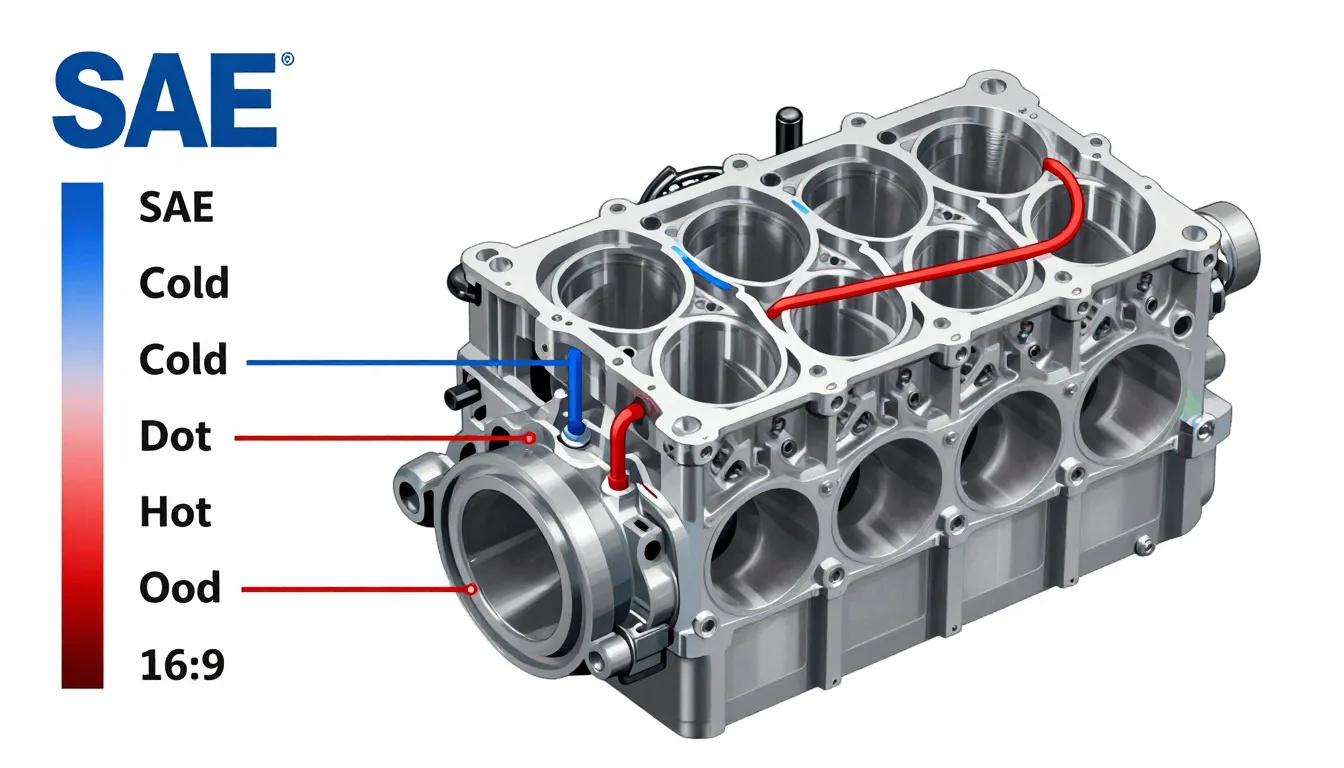
Engine oil viscosity is the single most critical parameter in engine oil selection. The SAE grading system (e.g., 5W-30) defines flow at cold and operating temperatures. The first number with ‘W’ indicates winter performance; lower numbers mean easier cold starts.
The second number represents hot viscosity. Higher values maintain film strength under load.
Always follow the manufacturer's recommended grade.
Using 0W-20 in an engine designed for 10W-40 may lead to insufficient wear protection. Overly thick oil can starve critical components during cold startup.
This accelerates wear significantly.
Multi-viscosity oils like 10W-40 combine low cold viscosity for easy starting with high hot viscosity for protection. They are now standard and simplify selection.
Always choose the grade your car was designed for.
Common Viscosity Misconceptions
Many enthusiasts believe thicker oil always provides better protection. In reality, modern engines with tight tolerances require thin oils for quick circulation.
Modern synthetics outperform conventional oils at both low and high viscosities.
Decoding API and ILSAC Ratings
The American Petroleum Institute (API) classifies oils by service category. For gasoline engines, look for API SP or SN Plus.
These ratings ensure compatibility with turbochargers and direct injection.
ILSAC GF-6 is the latest standard for fuel economy and protection against low-speed pre-ignition (LSPI). Older API ratings like SL or SM lack these protections.
Avoid using outdated oils in modern engines as they may cause timing chain wear.
Checking the API donut on the bottle is a crucial step. It confirms whether the oil meets modern engine requirements.
The donut also includes the SAE grade; verify both match your vehicle's needs.
Synthetic vs Conventional: Engineering Trade-Offs
Synthetic base oils are chemically engineered for uniform molecular structure. They offer superior thermal stability, lower oxidation, and better flow at extreme temperatures.
Conventional oils are refined crude oil with varying molecules, leading to higher volatility and sludge buildup.
For high-mileage vehicles, synthetic blends provide a cost-effective compromise. Full synthetics excel in turbocharged, high-performance, or cold-climate applications.
However, if your car has over 100,000 miles on conventional oil, switching to synthetic may cause leaks due to seal shrinkage.
Modern synthetics include seal conditioners to mitigate this risk. High-mileage oils contain seal swellers and detergents that reduce leaks and oil consumption.
They are not mandatory but can extend engine life in older vehicles.
Synthetic oil typically costs more, but extended drain intervals often offset the price. For performance or high-mileage vehicles, synthetic is a wise investment.
Oil Change Frequency and Tips
Follow your owner's manual oil change interval (OCI). Severe driving conditions may require more frequent changes.
Synthetic oil can often extend intervals up to 10,000 miles.
Always check oil level monthly using the dipstick. Fresh oil should be amber and translucent.
Dark, sludgy oil indicates it's time for a change.
Consider using the same brand to avoid additive incompatibility. This consistency is a simple but often overlooked aspect of engine oil selection.
For precise interval determination, consider used oil analysis. It reveals contamination and additive depletion.
This can help tailor your change frequency to your driving habits.
Top Pitfalls in Choosing the Right Oil
One frequent error is using the wrong viscosity due to the misconception that thicker is better. Always stick to the manufacturer's recommendation, even if a friend suggests otherwise.
Another mistake is ignoring the API rating, which can lead to inadequate protection for modern engines.
Some drivers wait too long between oil changes. Even synthetic oil degrades over time.
Regular changes prevent sludge buildup and maintain engine health. Also, avoid mixing different brands of oil, as additive packages may conflict.
Another overlooked issue is failing to account for driving conditions. Frequent short trips, towing, or dusty environments all demand shorter intervals.
Adjusting your schedule based on usage is key to engine protection.
Engine Oil Selection: Step-by-Step Guide
- Locate the recommended viscosity (e.g., 5W-30) and API rating in your owner’s manual.
- Choose synthetic if you operate in extreme temperatures, tow heavy loads, or track the car.
- For high-mileage engines, use a high-mileage formula with seal conditioners.
- Check the API donut and ILSAC starburst on the bottle to confirm latest standards.
- Change oil every 5,000–7,500 miles for conventional, up to 10,000 for synthetic (follow manufacturer recommendation).
- If your car requires specific manufacturer approvals (e.g., VW 504.00 or MB 229.5), ensure the oil lists it on the bottle.
Following these steps ensures your engine oil selection matches your car’s needs. For further reading, consult the API Engine Oil Licensing Program and SAE J300 Viscosity Classification.
Also, explore our Automotive & Mobility category for more maintenance guides. Proper engine oil selection is vital for longevity and performance.