
Azelaic Acid Benefits: A Closer Look at Its Multitasking Power
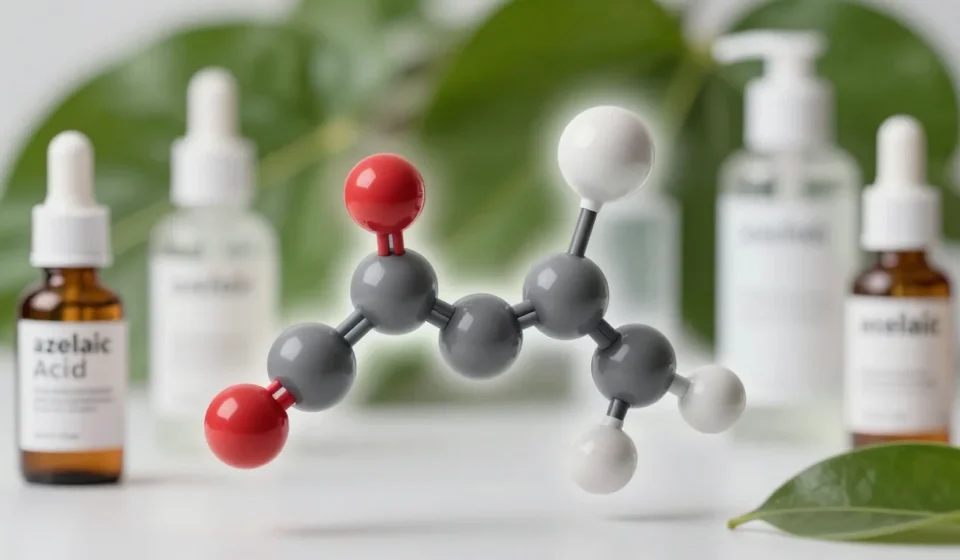
Azelaic acid benefits extend far beyond simple blemish control. This multitasking ingredient naturally occurs in grains like wheat and barley, offering a gentle yet effective solution for acne, rosacea, and hyperpigmentation.
Its unique molecular structure targets multiple skin concerns simultaneously. Unlike harsh exfoliants, it reduces inflammation, kills acne-causing bacteria, and inhibits melanin production without stripping the skin.
One of the most praised azelaic acid benefits is its ability to work on various skin types with minimal irritation.
Antibacterial Action Against Acne
Azelaic acid disrupts protein synthesis in Propionibacterium acnes, effectively stopping bacterial growth. This makes it a reliable option for long-term acne management, especially for those who cannot tolerate benzoyl peroxide or antibiotics.
Clinical studies show it reduces both inflammatory and non-inflammatory lesions within 4–8 weeks. It also helps prevent future breakouts by normalizing follicular keratinization.
In one trial, a 20% cream reduced acne lesions by over 70% in three months.
Anti-Inflammatory Power for Rosacea
For rosacea-prone skin, azelaic acid lowers reactive oxygen species and inflammatory cytokines. It reduces papules, pustules, and redness often within 4–8 weeks, with minimal irritation.
Unlike topical steroids, it does not cause skin thinning or rebound redness. Many dermatologists recommend it as a first-line treatment for mild to moderate rosacea.
It also strengthens the skin barrier over time.
Fading Hyperpigmentation Safely
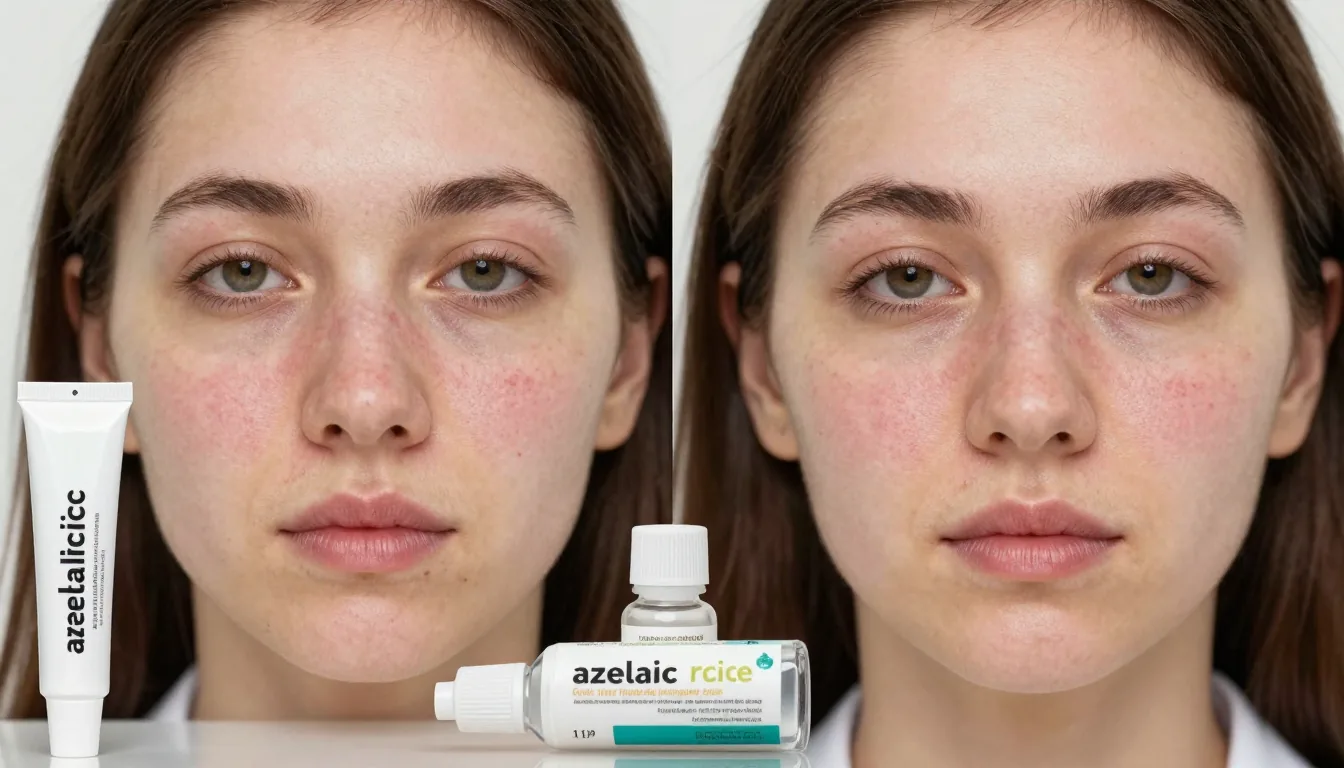
By inhibiting tyrosinase, azelaic acid lightens post-inflammatory hyperpigmentation and melasma. It is safe for long-term use and does not carry the risks associated with hydroquinone, such as ochronosis.
Another key azelaic acid benefit is its suitability for darker skin tones, which are more prone to discoloration.
Results typically appear after 8–12 weeks of consistent use. It works well on all skin types, including darker skin tones prone to discoloration.
A 2013 study found it as effective as 4% hydroquinone for melasma with fewer side effects.
A Gentle Approach for Sensitive Skin
Azelaic acid is a first-line treatment for sensitive or reactive skin. It does not cause photosensitivity, so you can combine it with vitamin C or retinol without concern.
Start with a 10% formulation daily, then increase to 15–20% if tolerated. Always pair it with a barrier-repair moisturizer containing ceramides to prevent dryness.
For extra soothing, look for products with niacinamide or centella asiatica.
How to Layer Azelaic Acid in Your Routine
Apply azelaic acid after cleansing and before moisturizer. If using other actives like niacinamide, layer from lightest to heaviest consistency.
Morning use is fine with sunscreen; evening use pairs well with a hydrating serum.
- Frequency: Start every other day, then gradually increase to daily.
- pH: Works best around pH 4–5, so avoid high-pH cleansers before application.
- Combination: Avoid AHAs/BHAs in the same session to reduce irritation.
- Sun protection: Always apply broad-spectrum SPF 30+ in the morning.
To maximize azelaic acid benefits, consistency is key. Use it as part of a balanced routine that includes sunscreen daily.
Avoid over-exfoliating to maintain a healthy moisture barrier.
Synergistic Effects with Other Ingredients
One of the most versatile azelaic acid benefits is its compatibility with other actives. Pairing it with niacinamide can enhance pore refinement and barrier support.
Vitamin C in the morning can boost brightening, while retinol at night accelerates cell turnover.
Always introduce new products slowly to monitor tolerance. If irritation occurs, reduce frequency or apply moisturizer before azelaic acid. For more insight into Beauty & Skincare actives, explore our ingredient guides.
Choosing the Right Product
Look for formulations with 10–20% azelaic acid. Over-the-counter options often contain 10%, while prescription strengths are 15–20%.
Gel formulations are ideal for oily skin, while creams suit dry or sensitive skin.
Check for additional soothing ingredients like niacinamide or allantoin. Avoid products with alcohol or fragrance, which can cause stinging.
Budget-friendly options include The Ordinary Azelaic Acid Suspension 10% and prescription Finacea Gel 15%.
Conclusion: A Multitasking Must-Have
Azelaic acid offers a rare balance of efficacy and tolerability. Whether you battle active acne, persistent redness, or stubborn dark spots, this ingredient deserves a spot in your regimen.
The cumulative azelaic acid benefits are supported by extensive research, from acne reduction to melanin inhibition.
For more detail, see clinical research on azelaic acid efficacy and its anti-inflammatory mechanisms. Also check AAD’s guide to azelaic acid.