
What Is Hyaluronic Acid and How Does It Attract Moisture?
Understanding hyaluronic acid molecular weight is key to choosing the right product. Hyaluronic acid (HA) is a naturally occurring glycosaminoglycan that acts like a moisture magnet, holding up to 1,000 times its weight in water.
The behavior of HA varies with its molecular weight. High-weight HA forms a protective film on the skin's surface, while low-weight HA penetrates deeper to hydrate living cells.
Knowing the differences helps you select the ideal serum for your skin's needs.
Hyaluronic Acid Molecular Weight: Low vs. High
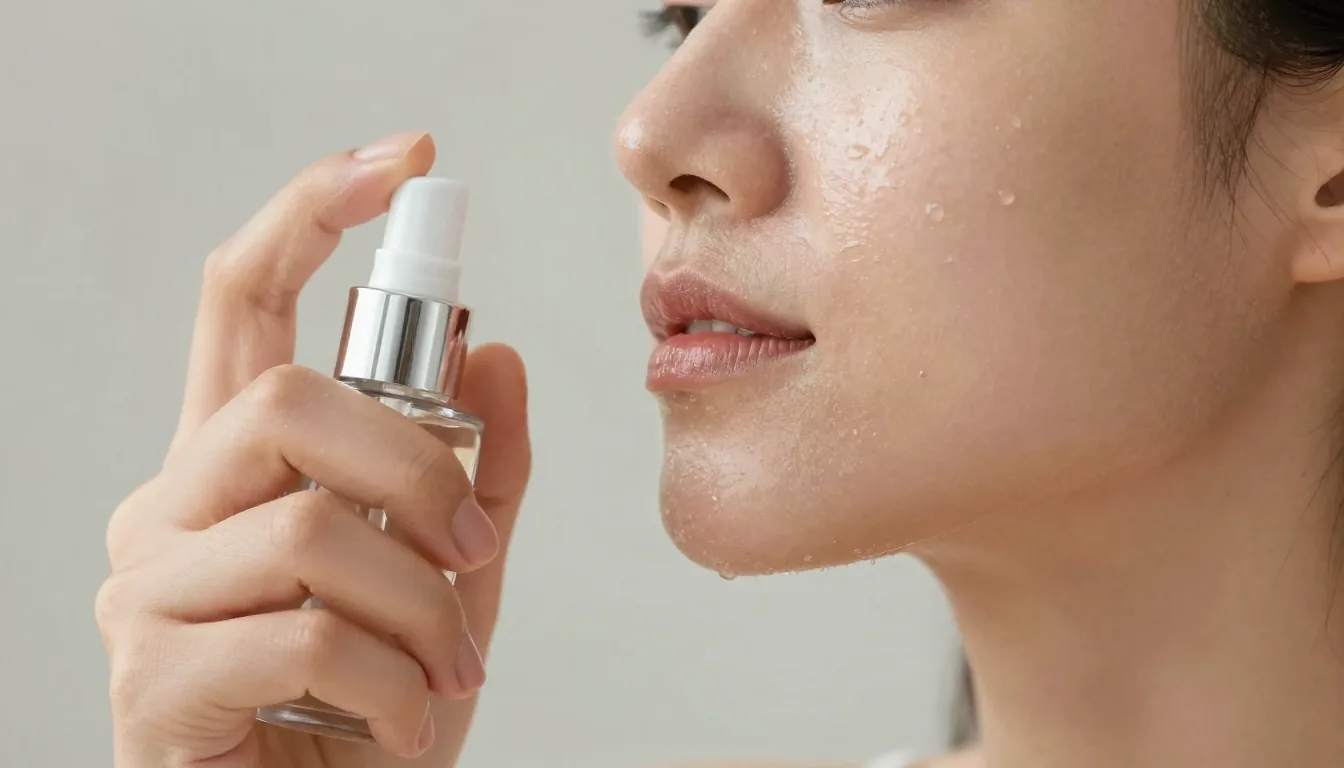
The core distinction lies in hyaluronic acid molecular weight. High molecular weight (HMW) HA, above 500 kDa, sits on the stratum corneum to reduce water loss and plump surface cells.
It is ideal for barrier support and sensitive skin types.
Low molecular weight (LMW) HA, below 100 kDa, penetrates the epidermis to stimulate fibroblasts and target fine lines. However, it may cause inflammation in some individuals.
Medium molecular weight (100–500 kDa) offers a balanced approach for both surface hydration and light penetration.
Which Molecular Weight Should You Choose?
Combination products with multiple molecular weights deliver both surface and deep hydration. For dry or sensitive skin, start with HMW-dominant formulas to avoid irritation.
For aging or dehydrated skin, a blend with LMW provides visible plumping benefits without compromising barrier function.
Check INCI listings for Sodium Hyaluronate (typically lower MW) vs. Hyaluronic Acid (higher MW).
Special variants like acetylated HA offer unique hydration properties. Matching the right hyaluronic acid molecular weight to your skin type maximizes results and ensures comfort.
Best Application Techniques for Maximum Hydration
Apply hyaluronic acid molecular weight serums to damp skin to attract ambient moisture. In dry climates, spritz a hydrating toner before HA to prevent it from pulling water from deeper layers.
This simple step avoids dehydration and maintains skin balance.
Layer HA serums while skin is still tacky, then seal with an occlusive moisturizer containing ceramides or squalane. Avoid applying HA to dry skin, as this can cause tightness and exacerbate dehydration.
The ideal pH for HA is around 5.5, so choose toners close to that for optimal activity.
For extra hydration, use a facial mist between layers. This improves absorption and comfort, especially when using multiple molecular weight products.
Always follow with an oil or balm in low-humidity environments to lock in the moisture and prevent transepidermal water loss.
Hydration Hacks for Dry Climates
In low-humidity environments, hyaluronic acid molecular weight products can backfire by drawing water from the dermis. Combat this with a humidifier and apply HA under a thick balm to lock in moisture.
The sandwich method—damp skin, HA serum, mist, then moisturizer—also works wonderfully to maintain hydration levels.
Alternatively, use glycerin or beta-glucan as humectants less sensitive to humidity. These ingredients provide reliable hydration even in desert conditions.
Another hack is mixing a few drops of HA into your night cream for boosted hydration without overloading the skin.
Always seal with an oil or balm to prevent evaporation. For deeper reading, see the evidence on hyaluronic acid molecular weight effects and humectant synergy in dermatology research. Additionally, incorporating a gentle glycerin toner can further enhance the hydration benefits.
Layering Hyaluronic Acid with Other Humectants
HA pairs well with glycerin, urea, and trehalose to boost hydration without stickiness. For anti-aging, layer HA with niacinamide or vitamin C in separate routines.
Avoid combining HA with strong acids like glycolic on the same night to prevent barrier stress and irritation.
HA complements peptides and retinol, but start slowly to test tolerance. For a complete routine, follow: cleanse, tone, HA serum, treatment, moisturizer, and sunscreen in the AM. For more skincare science, explore our Beauty & Skincare archive.