

Why Your Pre-Lift Prep Is Failing You
A dynamic warm-up routine is essential for heavy lifting, yet most gym-goers waste time on static stretching. You walk in, drop into a static hamstring stretch for 30 seconds, then load the bar—that’s not a warm-up, it’s a recipe for injury.
Static stretching weakens muscles and dulls your nervous system, decreasing force output by up to 5% for an hour, sabotaging your max before you start. The fix is a dynamic warm-up routine that ramps up blood flow, activates your central nervous system, and primes your movement patterns—it’s the difference between a PR and a pulled hamstring.
The Science Behind Dynamic Prep
The dynamic warm-up routine uses controlled, sport-specific movements to take joints through full range of motion. It increases tissue temperature, lubricates synovial fluid, and fires up neuromuscular pathways.
Static stretching, on the other hand, reduces muscle stiffness and dampens the stretch reflex—exactly what you don’t want before explosive lifts.
Think of your muscles as rubber bands. A cold band snaps; a warm one stretches and contracts efficiently.
Your warm-up must mimic the lifts you’re about to perform—not bend you into a pretzel.
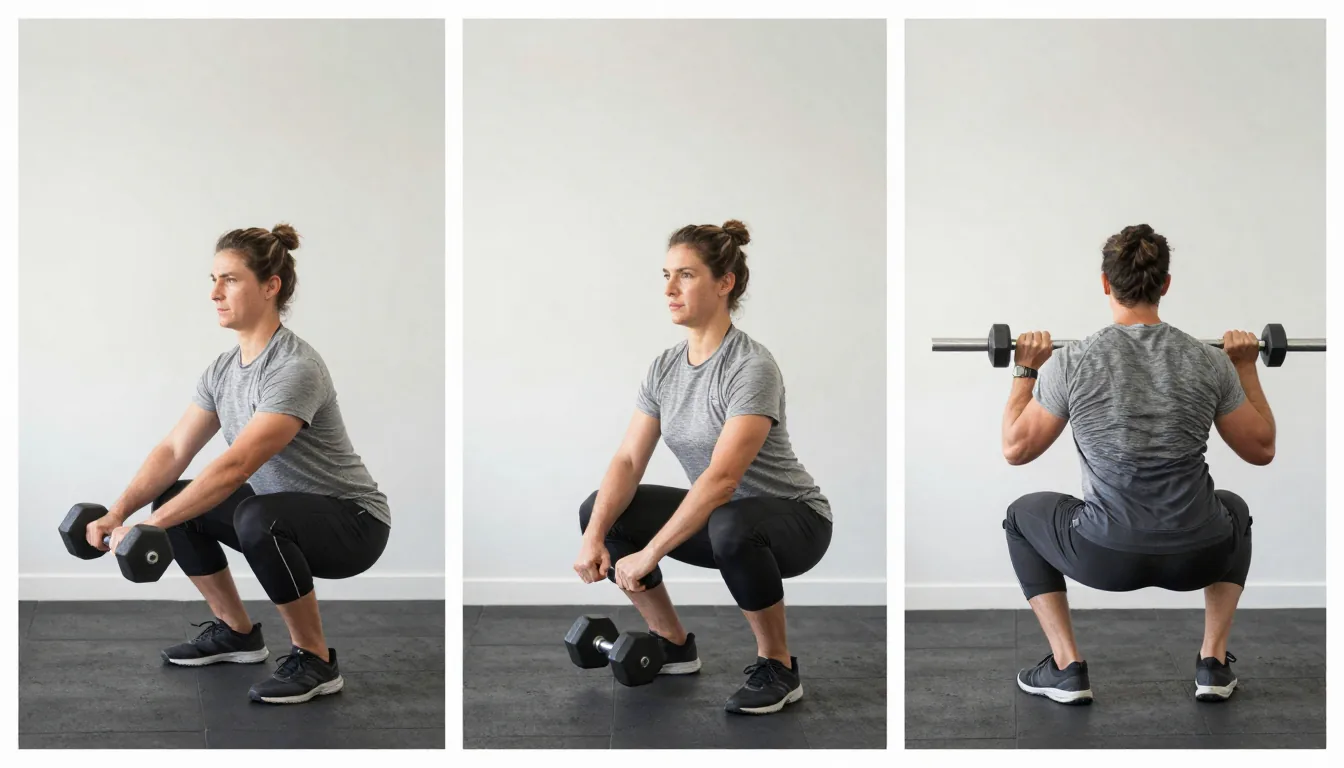
Build Your Dynamic Warm-Up: Step by Step
This dynamic warm-up routine takes 10–12 minutes and flows from general to specific. Follow this sequence before every squat, bench, or deadlift session.
Adjust based on your individual weak points.
Step 1: Blood Flow and Mobility
Start with 5 minutes of low-intensity cardio—jump rope, bike, or brisk walking. Increase heart rate gradually.
Then perform flowing mobility drills: leg swings (front-to-back and side-to-side), arm circles, torso twists, and hip circles. These loosen your joints without static holds.
Step 2: Activation and Core Bracing
Wake up the stabilizers. Glute bridges, banded walks, and bird-dogs switch on your posterior chain and core.
Hold each brace for 2–3 seconds, not 30.
For upper body sessions, add band pull-aparts and scapular push-ups. Your shoulders need these to handle heavy pressing safely.
Step 3: Movement-Specific Prep
Mimic your main lifts with light weight. For squats, perform goblet squats then empty bar squats with pauses in the hole.
For deadlifts, perform hip hinges with a PVC pipe then rack pulls at 50%.
For bench, do incline push-ups then wide-grip bar bench with only the bar. Each movement should include 2–3 sets of 5–8 reps with slow, controlled eccentrics.
Common Mistakes That Kill Your Warm-Up
Static stretching isn’t the only enemy. Rushing through warm-up sets with sloppy form implants bad motor patterns.
You’re training your brain to be unstable.
Even a well-designed dynamic warm-up routine can be ruined by rushing. Another error: skipping the specific prep and jumping into heavy work.
Your nervous system needs a progression—not a shock.
Also, don’t confuse fatigue with readiness. Your warm-up should leave you feeling primed, not exhausted.
Keep rest between movements short—30 to 60 seconds.
Sample 10-Minute Dynamic Warm-Up Routine
Here’s a concrete template you can use immediately. Run through this before your next lower body day:
- 3 minutes: jumping jacks, high knees, butt kicks
- 2 minutes: leg swings (10 each direction), torso rotations, cat-cow
- 2 minutes: bodyweight squats (10), walking lunges (10 each leg), glute bridges (15)
- 3 minutes: empty bar squats (2×8), light good mornings (2×8), banded pallof press (2×8 per side)
Upper body version: replace lower drills with arm circles, band pull-aparts, scapular push-ups, and empty bar bench press.
Track Your Performance Gains
Log your warm-up quality and compare your first working set’s speed and stability. A proper dynamic warm-up routine should make your top sets feel easier, not harder.
If you feel tight or sluggish, extend the movement-specific phase. If you feel amped, you nailed it.
Consistency beats intensity. Do this every session for two weeks, and you’ll notice less joint pain, better bar path, and more reps in the tank. For deeper guidance on mobility and programming, explore our Fitness & Sports resources.
For more on the pitfalls of static stretching, read this review by the National Strength and Conditioning Association. And to understand neural activation timing, check out Stronger by Science’s warm-up guide.