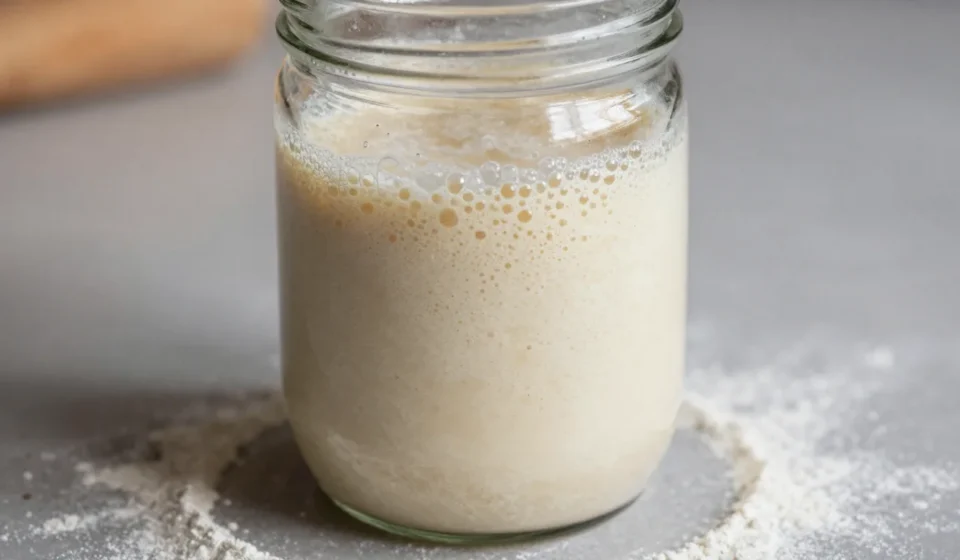

Welcome to this essential sourdough starter guide. Creating a living culture from just flour and water is a rewarding journey.
With daily feedings and patience, you'll have a bubbly starter in 7 to 10 days.
Your Essential Sourdough Starter Guide
This guide covers everything from creation to baking. Your starter is a living ecosystem of wild yeast and bacteria.
Nurture it with consistent care for the best results.
Building Your Starter from Scratch
Begin with 100 grams of whole wheat or rye flour and 100 grams of lukewarm water. Mix in a clean jar, cover loosely, and let it sit at room temperature (70–75°F).
After 24 hours, you may see small bubbles; discard half and feed with fresh flour and water. Repeat this daily for about a week.
By day 7, your starter should double in volume within 4–6 hours of feeding. It will smell pleasantly sour, like yogurt or overripe fruit.
This indicates a healthy colony of yeast and bacteria.
Feeding and Maintenance: The Daily Rhythm
Once mature, feed your starter every 12 to 24 hours. Use a 1:1:1 ratio of starter, flour, and water by weight.
To maintain a consistent schedule, keep your starter at room temperature. If you bake less frequently, refrigerate it and feed it once a week.
This sourdough starter guide suggests adjusting based on your baking routine.
The health of your starter depends on the flour you use. Rye and whole wheat are more nutritious for the microbes.
White flour works but may slow fermentation over time.
Troubleshooting Common Issues
No bubbles? Your starter might be too cold.
Move it to a warmer spot (around 75°F). Also ensure you're using unbleached flour, as chlorine can hinder growth.
A layer of liquid (hooch) means it's hungry. Feed it more often or keep a smaller amount of starter.
A healthy starter has a pleasant, yeasty aroma.
If you see mold or off smells (like acetone), discard the batch and start fresh. A good starter should never have orange or pink streaks.
Baking with Your Starter: Tips for Perfect Loaves
To bake a loaf, first build a levain by mixing a small amount of starter with flour and water. Let it ferment until bubbly, about 6–8 hours.
This sourdough starter guide recommends this method for optimal results.
Autolyse your flour and water before adding levain. This rest for 30–60 minutes improves gluten development.
Then add the levain and salt, mixing thoroughly.
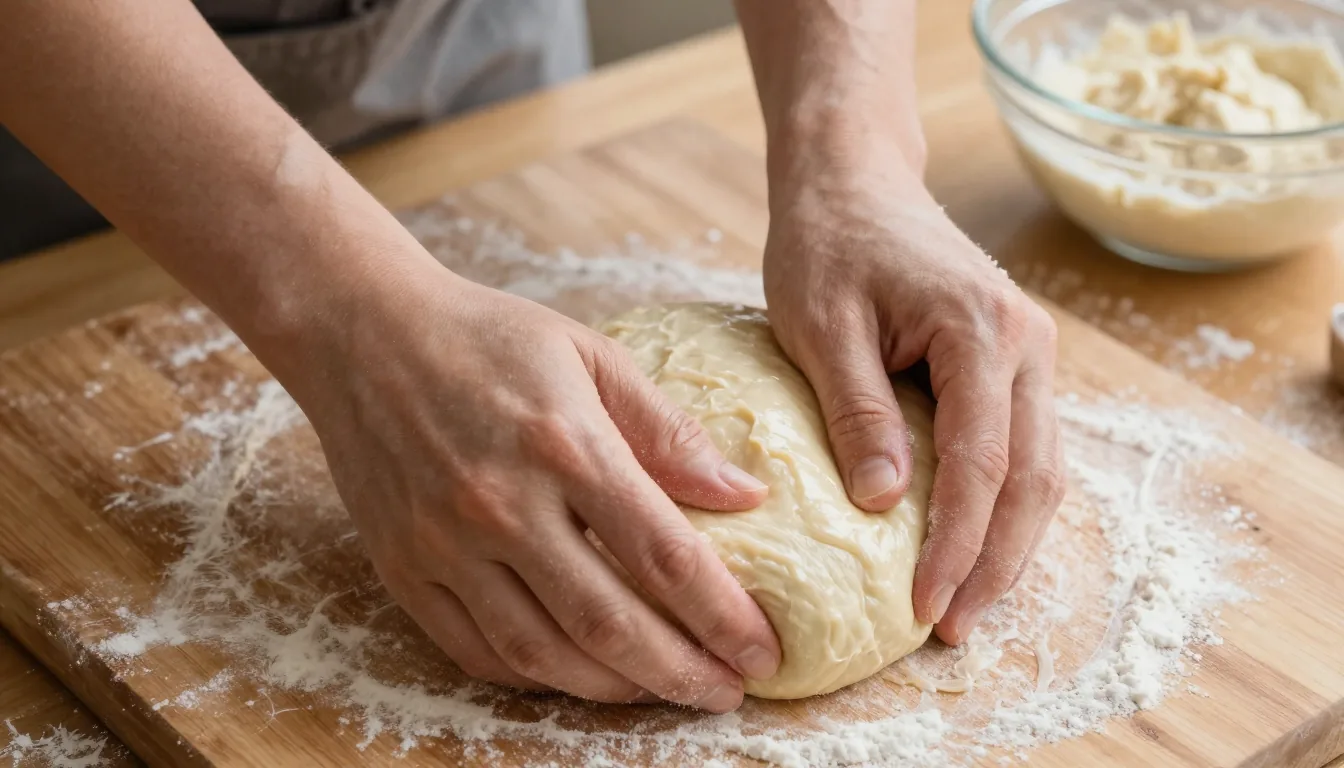
During bulk fermentation, perform a series of stretch and folds every 30 minutes. This strengthens the dough without deflating it.
The dough will become smooth and elastic.
Shape your dough gently to preserve gas bubbles. Let it proof in a banneton for 1–2 hours at room temperature or overnight in the fridge.
Score the top with a sharp blade.
Dough temperature is critical for consistent results. Use warm water if your kitchen is cool.
Aim for a final dough temperature around 78°F.
Bake at 450–500°F with steam for the first 20 minutes. Use a Dutch oven or a pan of water to create steam.
This yields a crusty loaf with an open crumb.
For more detailed recipes, check out King Arthur Baking’s guide or The Perfect Loaf. For more inspiration, explore our Gastronomy & Food section.
Using Discard in Delicious Ways
Your starter discard is far from waste. Use it in pancakes, waffles, or crackers.
This sourdough starter guide encourages creative use of discard.
Discard adds tangy flavor without extra leavening. Try our sourdough discard crackers for a crispy snack.
They're perfect with cheese or dips.
Sourdough baking is a rewarding journey. This sourdough starter guide has given you the foundation for a lifetime of baking.
Each loaf teaches you something new about your starter and environment.