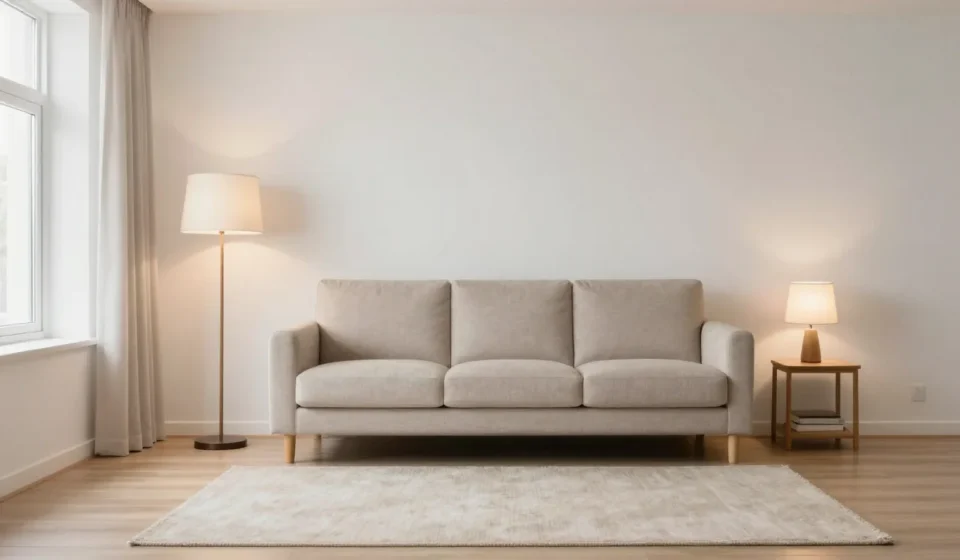

Does your room feel cramped? Many common decorating mistakes can make a room look smaller than it actually is.
Fortunately, simple fixes can open up your space.
1. How Oversized Furniture Makes a Room Look Smaller
One of the biggest culprits that causes a room to look smaller is furniture that’s too large for the scale of the room. A bulky sectional or a massive armoire can overwhelm a small living room, making it feel cramped.
Always consider scale when shopping for furniture. Avoid oversized coffee tables that block pathways.
The fix: Measure your room and choose pieces that allow at least 36 inches of walkway space. Opt for furniture with exposed legs to create an airy feel and make the floor visible.
Also consider multi-functional furniture like ottomans with storage. Learn more from Better Homes & Gardens.
2. Dark Wall Colors That Close In
Dark paint colors absorb light and make walls appear to advance, visually shrinking the room. A moody hue can be cozy, but it often backfires in compact spaces by creating a cave-like atmosphere.
Dark walls can make a room look smaller and oppressive. If you must use dark walls, balance with large mirrors and ample lighting.
Instead, try soft neutrals like warm white, pale gray, or light beige. If you love color, use it on an accent wall and keep the rest light.
This simple change can make your room look larger instantly. Mirrors can bounce light and visually expand the room.
3. Poor Lighting That Casts Shadows
Insufficient lighting creates dark corners that make a room feel cramped and uninviting. Relying on a single overhead light is a common mistake that leaves areas in shadow.
Insufficient lighting can make a room look smaller and uninviting. Also consider using dimmers to adjust brightness and task lighting for specific areas.
Layer your lighting: combine overhead fixtures with floor lamps, table lamps, and wall sconces. Use daylight bulbs (2700K–3000K) for a bright, inviting glow. For more lighting tips, check out The Spruce’s guide.
4. Clutter and Too Much Stuff
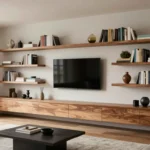
Excessive furniture, decor, and tchotchkes turn a room into a visual maze. Every surface covered with items makes the space feel chaotic and smaller than it really is.
Clutter definitely makes a room look smaller. Keep only essential furniture to avoid crowding.
Embrace the 80/20 rule: display only 20% of your belongings at a time. Use hidden storage like baskets and ottomans to keep surfaces clear.
Regularly declutter and donate items you no longer need.
A clutter-free room always appears more spacious. Use vertical storage to free up floor space.
5. Wrong Rug Size That Breaks the Room
A rug that’s too small makes the room look chopped up and disjointed. Floating small rugs under furniture can visually shrink the area, as they create separate zones.
Wrong rug size can make a room look smaller and create visual chaos. A rug that is too large can also overwhelm a small room.
Choose a rug that fits under all furniture legs in the seating area. For a standard living room, an 8×10 feet rug is often ideal.
This anchors the room and makes it feel larger.
6. Curtains Hung Too Low or Too Short
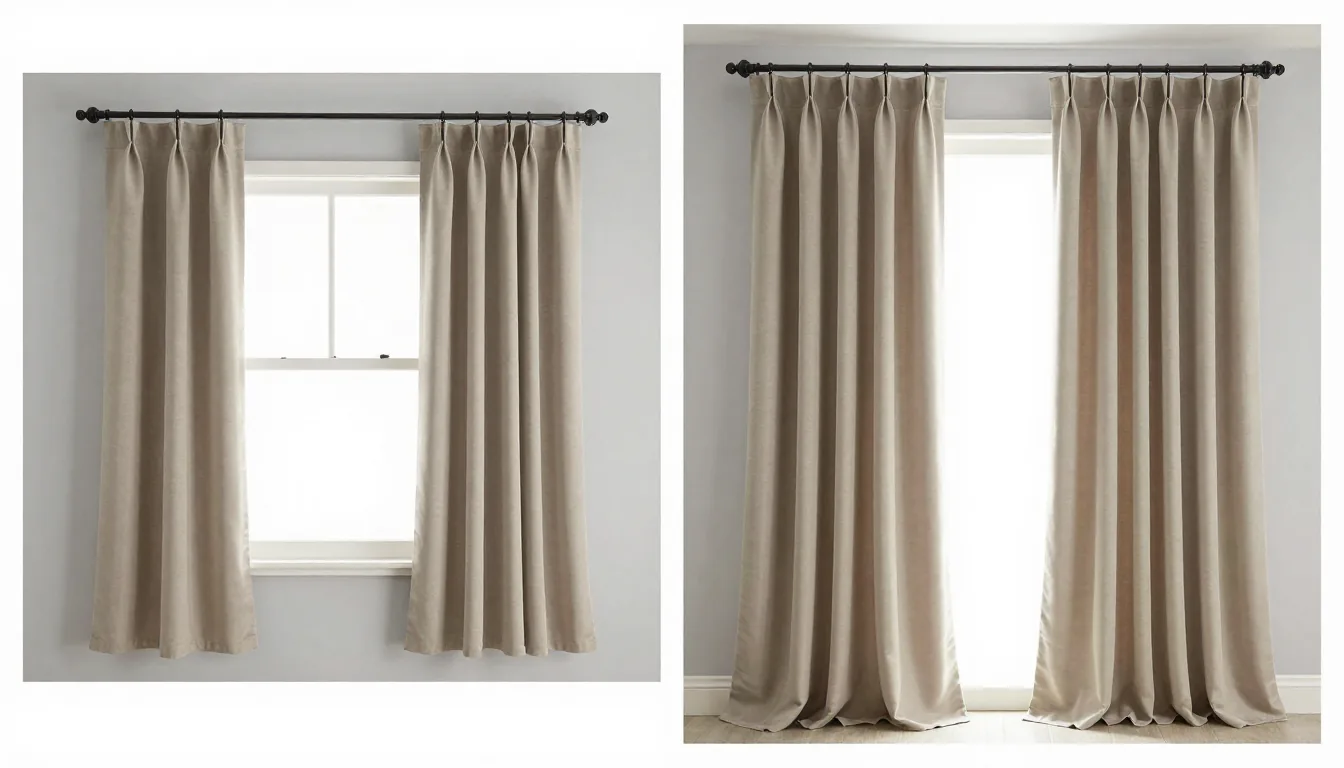
Placing curtain rods just above the window frame or using drapes that barely cover the window draws the eye down and shortens the room. Curtains hung too low can make a room look smaller and squat.
This mistake is surprisingly common. Short curtains make the ceiling look lower.
Hang rods close to the ceiling and extend them past the window width. Floor-length curtains create vertical lines that make the ceiling look higher, adding to the sense of space.
Extend the rod at least 6 inches beyond the window frame.
For more curtain ideas, see Apartment Therapy’s guide.
7. Ignoring Vertical Space
Leaving walls bare above furniture or not using tall shelving wastes valuable visual real estate. Empty upper walls can make a room feel squat and unbalanced.
Wall-mounted shelves are great for storage without taking floor space.
Install floor-to-ceiling bookshelves or tall mirrors. Use vertical stripes in wallpaper or artwork to draw the eye upward.
Even tall plants can draw the eye upward. Hang artwork at eye level to draw the gaze upward.
For more Home Decor & DIY tips, explore our full archive. By avoiding these common pitfalls, you can transform any room into a spacious, welcoming haven. Start with one fix today and watch your space open up.