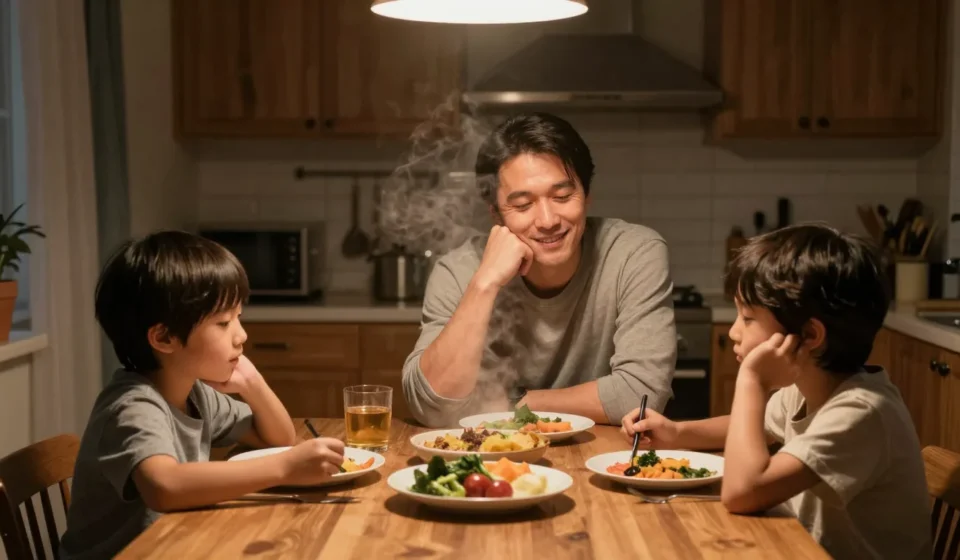

Why Bother with Family Dinner Benefits When You’re Exhausted?
You know the scene: you've worked all day, the kids are cranky, and the last thing you want to do is cook. But research shows that family dinner benefits kids in ways that make the effort worth it.
The family dinner benefits are backed by numerous studies, yet you don't need a scientist to feel the difference.
Regular shared meals are linked to better mental health, higher grades, and stronger family bonds. Even if you're running on fumes, sitting down together for 20 minutes can work wonders.
The key is consistency, not gourmet cooking. Let's dive into the science and some real-world tips.

The Science Behind Shared Meals
Multiple studies confirm that children who eat with their families at least three times a week have lower rates of depression, anxiety, and substance abuse. These family dinner benefits also include academic improvements, thanks to the conversation and vocabulary exposure.
One 2019 University of Oxford study found that kids who ate regular family meals had higher self-esteem and resilience. The simple act of sharing food creates a safe space for connection.
That's the core of family dinner benefits: presence over perfection.
Mental Health and Emotional Regulation
When families eat together, kids learn to regulate emotions by observing adults. The routine provides predictability, which reduces stress.
It's not about the food—it's about the presence.
Even if you're exhausted, showing up at the table sends a powerful message: you matter. Over time, this builds a buffer against peer pressure and anxiety.
Parents also benefit from the forced pause, lowering their own stress levels.
Academic Performance and Language Skills
Dinner conversation exposes kids to a richer vocabulary than books or screen time. A University of Michigan study found that family discussions at meals boost reading comprehension and critical thinking.
Plus, the structure of a shared meal teaches turn-taking and listening—skills that translate to the classroom. Consistent dinner talk even improves problem-solving abilities.
These are just some of the family dinner benefits that keep giving.
How to Still Enjoy Family Meals on Crazy Tired Days
You can enjoy the value of shared meals without elaborate preparation. Focus on simple strategies that fit your schedule.
Even a 15-minute meal counts if you're all together. To get family dinner benefits, consistency matters more than the menu.
Plan a few no-cook or quick options each week. Keep ingredients like pre-washed salad, rotisserie chicken, and canned beans on hand.
These make assembly easy. Remember, the meal doesn't have to be homemade to be meaningful.
Quick Meal Ideas for Exhausted Parents
You don’t need a three-course meal. Try these low-effort, high-impact options:
- Sheet pan dinner: Toss chicken and veggies on one pan, roast for 20 minutes.
- Pasta with jarred sauce: Add frozen spinach or a can of chickpeas for nutrition.
- Breakfast for dinner: Scrambled eggs, toast, and fruit in under 10 minutes.
- Deconstructed tacos: Set out beans, cheese, and tortillas—everyone builds their own.
- No-cook bowls: Mix canned tuna, prewashed greens, and cherry tomatoes for a fast meal.
These options take less than 20 minutes and minimize cleanup. The goal is to reduce friction so you can show up at the table without stress.
That's how you actually reap family dinner benefits even on tough days.
Make It Work on Hard Days
If cooking is impossible, order pizza and eat it together at the table. The ritual matters more than the meal.
Turn off phones and screens. Ask one open-ended question like, 'What was the best part of your day?'
For more sanity-saving parenting strategies, check out our Parenting & Family archive. And read this AAFP article on family meal benefits, or The Conversation’s take.
The Takeaway: It’s Worth the Grind
Family dinner benefits are real, and they don't require perfection. Even on nights when you're bone-tired, the act of gathering together is an investment in your child's future.
So set the table, grab some grub, and just show up. Consistency builds resilience, and those 20 minutes add up over time.
Start tonight with whatever you have. You'll likely find that the connection you build fuels you for the next day.
It's a small habit with huge returns. The family dinner benefits are cumulative—every meal counts.