
The Twinkle Test: Spotting the Difference Between Planets and Stars
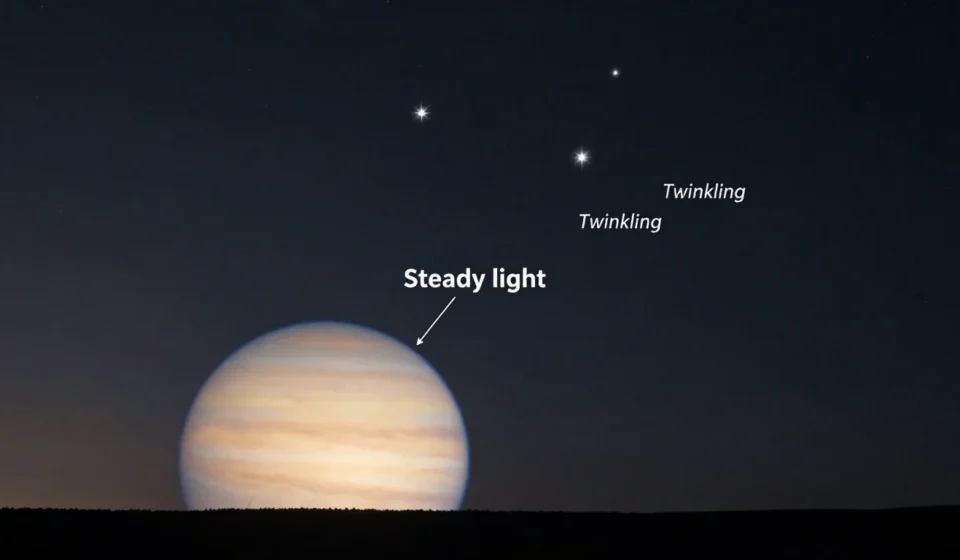
The most reliable way to spot the difference between planets and stars is the twinkle test. Stars appear to twinkle because their light travels through many turbulent layers of Earth’s atmosphere. Planets, being closer and appearing as tiny disks, average out that turbulence and shine with a steady glow.
This distinction is most noticeable on a clear night when the air is calm. Next time you look up, pick a bright point of light.
If it flickers like a distant candle, it's a star; if it remains stable, it's likely a planet.
Even from light-polluted cities, this simple trick works. Use binoculars to see a planet's small disk, confirming its planetary nature.
Remember, planets can twinkle slightly when low on the horizon, but the effect is much weaker than a star's twinkle.
Color Clues: How Planets and Stars Paint the Sky
Color is another powerful clue in telling planets from stars. Planets tend to show soft, pastel hues: Mars glows coppery orange, Jupiter creamy white, Saturn pale yellow, Venus brilliant white with hints of blue.
Stars can blaze in vivid blues, whites, yellows, and reds, but their color often shimmers due to twinkling.
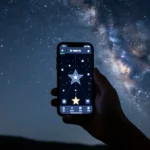
The difference between planets and stars is evident in their color stability. Use a star chart or app to confirm: a steady, pale orange dot low in the sky is almost certainly Mars. A blue-white twinkler high overhead is likely a star like Sirius or Vega.
In contrast, the star Betelgeuse often appears reddish-orange but its color fluctuates. Mars maintains a steady orange hue night after night.
If a colorful point stays the same shade night after night, it's probably a planet.
Movement Matters: Tracking the Wanderers
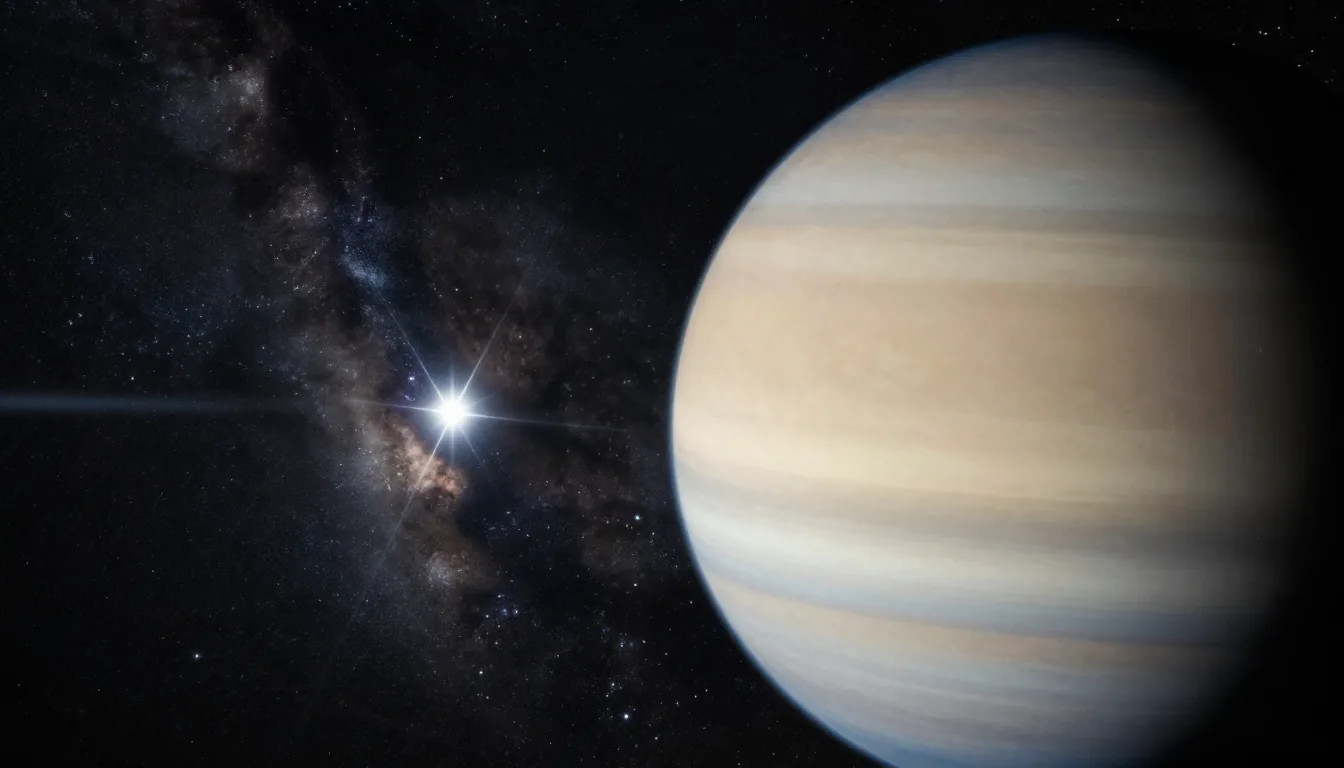
Planets earn their name from the Greek word for “wanderer.” Over days and weeks, they drift slowly against the fixed background of stars. You can observe this by noting a planet’s position relative to a nearby star pattern one evening, then checking again a few nights later.
This motion is a definitive test for the difference between planets and stars. Stars maintain their positions relative to each other over human lifetimes. To see planetary motion, visit NASA’s Planets Overview or use a sky simulation app.
Some planets even exhibit retrograde motion, temporarily moving backward against the stars. You can also use a simple smartphone app to track planetary positions over weeks.
Even the motion of Jupiter's moons is visible over hours with a small telescope.
Brightness and Location: Quick Identification Tips
Planets are usually the brightest objects in the sky after the Moon. Venus outshines everything, Jupiter is second, and Mars and Saturn can rival bright stars.
When you see an unusually bright "star" that doesn't twinkle, it's likely a planet.
Also, planets always appear near the ecliptic, the apparent path of the Sun across the sky. If you see a very bright, steady light along the zodiac, it’s probably a planet. This combination of brightness and location makes spotting the difference between planets and stars much easier.
Venus is so bright that it is often mistaken for a UFO. Jupiter is the next brightest, and both are unmistakable in the night sky. For weekly updates, check out Sky & Telescope’s observing guide.
Bonus: Other Telltale Signs
Uranus and Neptune require binoculars or a telescope, but the other five planets are visible to the naked eye. Saturn’s rings and Jupiter’s moons become apparent with small optics. You can also explore our Popular Science & Space category for more astronomy tips.
Remember, the best time to observe planets is during their opposition, when they are closest to Earth and appear brightest. Check online calendars for upcoming events.
With these methods—twinkle, color, movement, and brightness—you'll never confuse a planet with a star again. Go outside, look up, and let the universe amaze you!