
Permaculture vs Traditional: Core Philosophies
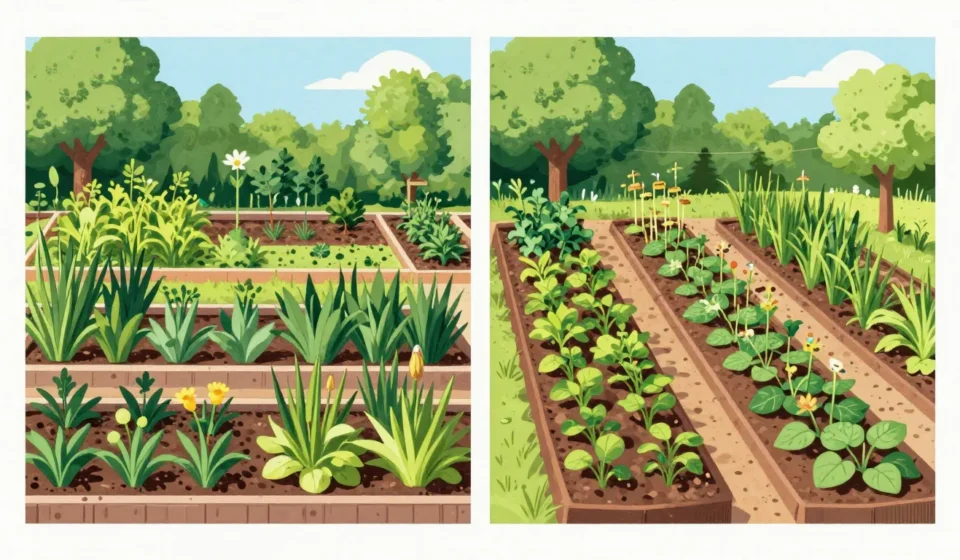
When deciding between permaculture vs traditional gardening, you're really choosing between two worldviews. Traditional gardening often focuses on annual crops, rows, and external inputs.
Permaculture, by contrast, mimics natural ecosystems to create a self-sustaining system.
Each philosophy guides how you interact with your land and its resources. Both methods can produce food, but their long-term impacts on soil health and biodiversity differ greatly.
Understanding these differences is key to making an informed decision that aligns with your values and goals.
1. Soil Management: Till vs. No-Till
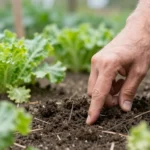
Traditional gardening typically relies on tilling to prepare beds, which disrupts soil structure and microbial life. Permaculture favors no-till methods, building soil with mulch, compost, and cover crops.
Over time, no-till soils develop better water retention and fertility. If you value long-term soil health, permaculture's approach is gentler on the earth.
It also requires less effort after establishment.
Mycorrhizal fungi thrive in undisturbed soil, forming symbiotic relationships with plant roots. This boosts nutrient uptake and disease resistance.
Over years, no-till gardens build a living soil ecosystem that requires less fertility input.
2. Water Use: Irrigation vs. Passive Harvesting
Conventional gardens often depend on sprinklers or drip lines, consuming significant water. Permaculture designs swales, rain gardens, and keyline systems to capture water naturally.
By contouring the land, you can reduce watering needs by up to 50%. This is especially valuable in dry climates where water conservation is critical.
Comparing permaculture vs traditional methods here shows a clear advantage for the former.
Swales are shallow trenches dug along contour to slow and infiltrate runoff. They recharge groundwater and reduce erosion.
In permaculture, water is seen as a resource to be cycled rather than wasted.
3. Plant Diversity: Monoculture vs. Polyculture
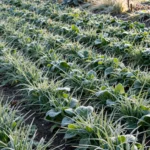
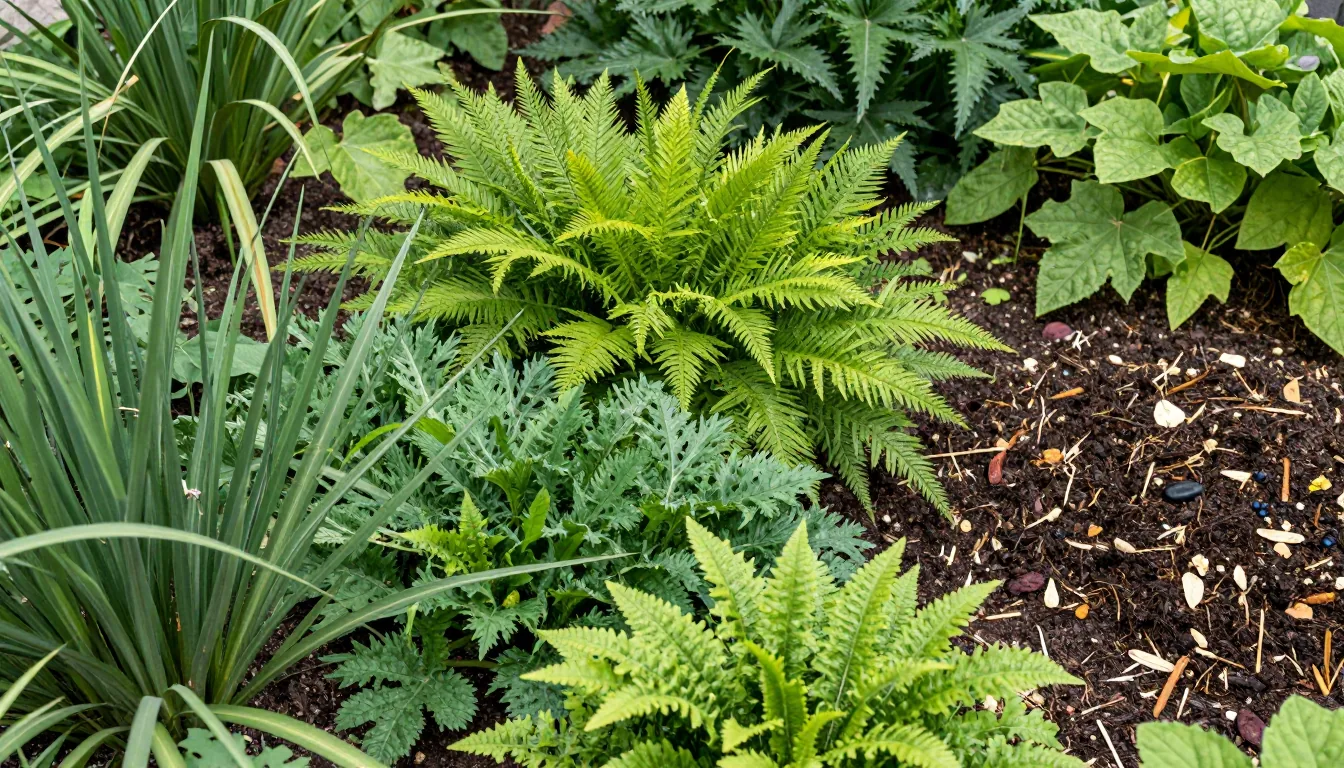
Traditional rows of single crops invite pests and disease, requiring chemical interventions. Permaculture stacks plants in guilds—fruit trees, shrubs, herbs, and groundcovers all in one area.
This diversity creates natural pest control and maximizes yield per square foot. You'll harvest more with less effort and enjoy a resilient ecosystem.
The permaculture vs traditional debate often hinges on such biodiversity benefits.
Classic permaculture guilds include the three sisters: corn, beans, and squash. Each plant supports the others—beans fix nitrogen, corn provides a trellis, and squash shades the soil.
This synergy exemplifies the permaculture vs traditional philosophy of cooperation over competition.
4. Inputs: Synthetic vs. Organic On-Site
Traditional gardening often relies on synthetic fertilizers and pesticides. Permaculture aims to close the loop by producing fertility on-site—compost, green manures, and animal manure.
This reduces costs and environmental harm. Over time, your garden becomes a self-feeding ecosystem that requires fewer external inputs.
The permaculture vs traditional contrast is stark in terms of sustainability.
Green manures like clover or vetch are grown and turned under to enrich the soil. They add nitrogen and organic matter without synthetic chemicals.
This closed-loop system reduces reliance on bagged fertilizers.
5. Energy: Annual Labor vs. Perennial Stability
Traditional gardens require yearly replanting, weeding, and heavy labor. Permaculture emphasizes perennials, self-seeding annuals, and low-maintenance systems.
Once established, a permaculture garden needs less intervention. You'll spend more time harvesting than working, which appeals to busy gardeners.
This energy comparison is a major factor in the permaculture vs traditional choice.
Perennial vegetables like asparagus and rhubarb return year after year with minimal care. Once established, they require only occasional harvesting and weeding.
This frees up time for other garden tasks or leisure.
6. Wildlife: Exclusion vs. Integration
Conventional methods often fence out wildlife or use barriers. Permaculture welcomes beneficial creatures—bees, birds, frogs—as part of the system.
Biodiversity strengthens resilience. A garden that works with nature is less prone to outbreaks and requires fewer pest control measures.
Embracing wildlife is a hallmark of permaculture vs traditional thinking.
Beneficial insects like ladybugs and lacewings are natural predators of aphids and mites. By planting flowers that provide nectar and pollen, you attract these allies.
This biological control is a key benefit of permaculture vs traditional pest management.
7. Longevity: Seasonal vs. Permanent
Traditional gardens are often replanted each season. Permaculture builds permanent landscapes—food forests, perennial beds, and living mulches.
This creates a legacy that improves year after year. If you plan to stay put, permaculture offers lasting rewards that compound over time.
The long-term perspective is crucial when weighing permaculture vs traditional approaches.
Carbon sequestration in soil is higher in perennial systems because roots remain intact. This helps mitigate climate change while improving soil structure.
A permaculture garden becomes a carbon sink over time.
For more insights, explore our Gardening & Nature archive. Learn about permaculture ethics and organic practices to deepen your understanding.
Remember, the best method is the one that fits your climate, time, and values. Start small and observe your land to see which approach resonates with you.