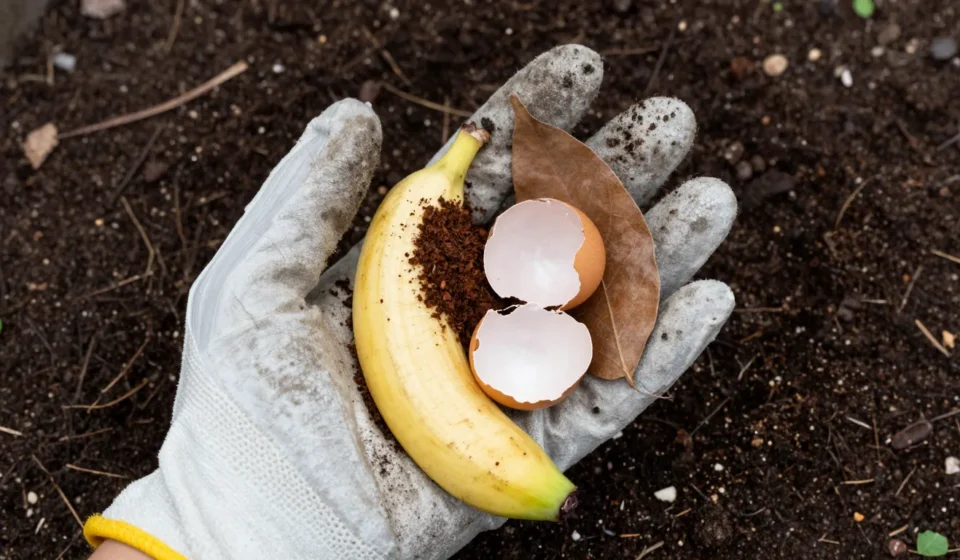

Why Composting Kitchen Scraps Matters
Kitchen waste makes up a significant portion of household trash, yet it holds immense potential. By composting kitchen scraps, you return valuable nutrients to the soil instead of sending them to a landfill.
This simple act reduces methane emissions and feeds your garden with rich humus.
Humus improves soil structure, retains moisture, and supports beneficial microbes. Starting a kitchen scrap compost system is easier than you think, even in small spaces.
The process is natural and requires minimal equipment.
With a little patience, anyone can master composting kitchen scraps. It’s a rewarding habit that benefits both your garden and the planet.
Choosing Your Composting Method
First, decide on a system that fits your space and lifestyle. A traditional bin works well for yards, while a worm bin (vermicompost) suits apartments.
For simplicity, a three-bin setup allows turning and curing.
If you have limited outdoor space, consider a sealed bokashi bucket or a countertop electric composter. Each method for composting kitchen scraps has unique benefits.
Your choice will influence how you manage moisture and aeration.
Consider your time commitment before choosing. All methods can effectively handle kitchen scraps, but some require more attention.
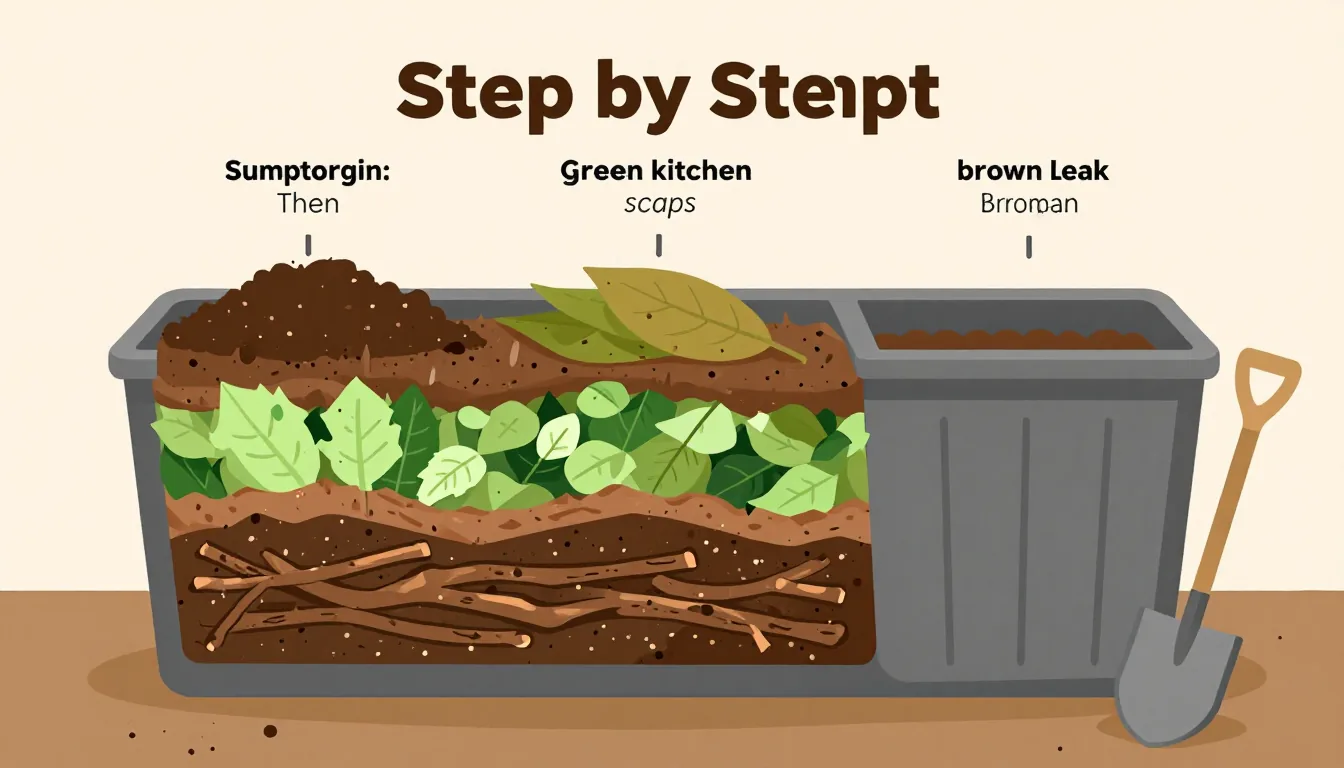
Essential Supplies for Kitchen Scrap Composting
To start composting kitchen scraps, you’ll need a container with a lid, brown materials (dried leaves, newspaper), green materials (fruit peels, coffee grounds), and a small shovel or trowel. A compost thermometer helps monitor temperature, but it’s optional.
Keep a countertop bin with a charcoal filter for collecting scraps day to day. Empty it every few days into your main compost pile.
Balance is key—aim for roughly 3 parts brown to 1 part green by volume.
Invest in a good bin and tools; your investment pays off quickly. Quality equipment makes the process smoother and more enjoyable.
What to Compost and What to Avoid
Compostable kitchen scraps include fruit and vegetable peels, eggshells, coffee grounds, tea bags, and crushed eggshells. Avoid meat, dairy, oily foods, and diseased plants—these attract pests and create odors.
Most composting kitchen scraps come from plant-based sources. Citrus peels in moderation are fine, but too much can slow decomposition.
Also skip large woody stems and seeds that may sprout.
Stick to soft, fresh scraps for best results. Your pile will thank you with faster breakdown and fewer problems.
Building Your Pile Layer by Layer
Start with a layer of coarse brown material like twigs for airflow. Add a layer of kitchen scraps, then cover with another brown layer.
Repeat until the pile is about 3 feet tall.
Moisten each layer as you go—the pile should feel like a wrung-out sponge. Too wet?
Add more browns. Too dry?
Sprinkle water.
Aeration is critical; turn the pile every week with a pitchfork.
A well-built pile heats up quickly. Turning every week ensures even decomposition and prevents odors.
Managing Moisture and Odors
Successful composting kitchen scraps requires proper moisture and aeration. If you notice a rotten egg smell, add browns and turn more often.
A healthy compost pile smells earthy, not sour.
Cover the pile with a tarp during heavy rain. In hot weather, water the pile to prevent drying.
In cold climates, insulate with straw or move bins to a sunny spot.
Your goal is a warm, active center—ideal between 130-150°F. Check the pile weekly to maintain conditions.
When Is Your Compost Ready?
Finished compost looks dark, crumbly, and smells like forest soil. It should no longer resemble original scraps.
This takes 3 to 6 months depending on effort and conditions.
Your composting kitchen scraps are ready when they resemble dark, crumbly soil. Sift out any large chunks to return to the pile.
Use the humus as a top dressing or mix into garden beds.
For more tips, check our Gardening & Nature section. Ready to dig deeper?
The EPA’s home composting guide offers excellent details, and Garden Organic provides UK-specific advice. Happy composting!