
Why Choose Native Species for Tiny City Plots
Small urban gardens face unique challenges: limited soil volume, reflected heat from buildings, and compacted earth. Native urban garden plants have evolved to handle these stressors while offering critical ecological benefits.
By selecting species adapted to your local climate, you reduce water use, eliminate chemical fertilizers, and create a haven for pollinators.
Many native plants are naturally compact, making them perfect for containers, raised beds, or narrow borders. Their deep root systems improve soil structure and absorb stormwater runoff.
Plus, they attract beneficial insects that keep pest populations balanced without intervention.
Shade-Loving Natives for Narrow Side Yards
Wild Ginger (Asarum canadense) spreads slowly as a ground cover, reaching only 6–10 inches tall. Its heart-shaped leaves create a lush carpet in deep shade. The hidden flowers are pollinated by ants, adding a fascinating natural history layer to your garden.
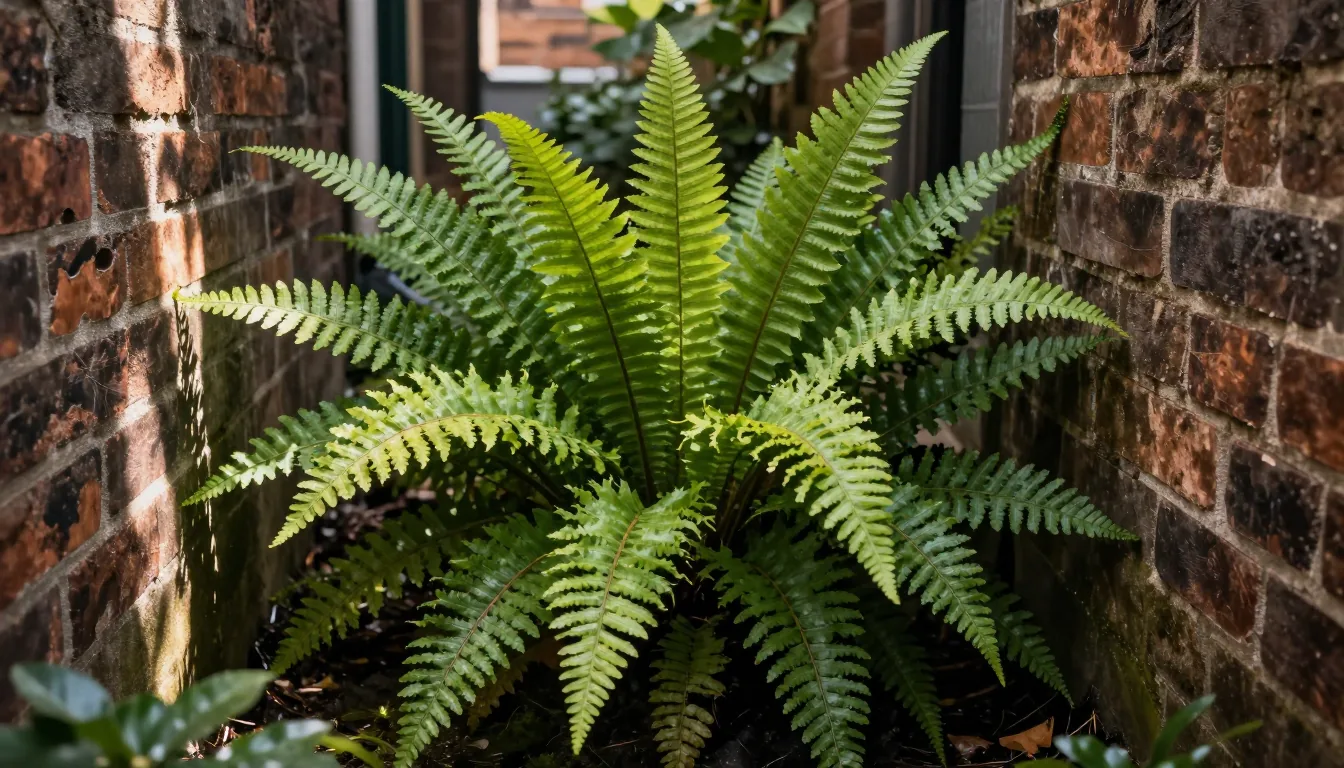
Christmas Fern (Polystichum acrostichoides) is an evergreen fern that stays under 2 feet. It tolerates dry shade and poor soil, making it ideal for the north side of a building. The fronds remain green through winter, providing year-round interest.
Top Picks for Sun-Drenched Balconies and Patios
Butterfly Weed (Asclepias tuberosa) reaches just 1–2 feet tall and thrives in full sun. Its bright orange flowers draw monarchs and other butterflies, while the plant stays tidy without staking. It prefers well-drained soil and tolerates drought once established.
Prairie Dropseed (Sporobolus heterolepis) is a clumping grass that forms a soft mound about 2 feet tall. Its fine texture adds movement and sound to small spaces. The seed heads attract birds, and the plant needs minimal water after the first year.
More Compact Native Species for Urban Gardens
Blue-eyed Grass (Sisyrinchium angustifolium) is a petite perennial that grows just 8–12 inches tall. Its star-shaped blue flowers appear in spring and attract bees. It thrives in full sun to part shade and tolerates moist soil, making it ideal for rain gardens in small yards.
Wild Columbine (Aquilegia canadensis) reaches 1–2 feet and produces red-and-yellow flowers that hummingbirds love. It self-seeds moderately but is easy to control in containers. This plant prefers well-drained soil and partial shade, adapting well to urban microclimates.
Edible Natives for Containers
Lowbush Blueberry (Vaccinium angustifolium) grows only 6–24 inches tall and produces delicious berries in full sun to part shade. It needs acidic soil, which is easy to maintain in a pot with peat moss. The fall foliage turns brilliant red, adding seasonal beauty.
Wild Strawberry (Fragaria virginiana) forms a low mat of leaves no more than 6 inches high. It produces small, intensely flavored fruits and spreads gently without becoming invasive. This plant works beautifully as a living mulch under taller natives.
Designing with Native Urban Garden Plants
Group native urban garden plants with similar light and water needs together. Use vertical space by adding a trellis for climbing species like Virginia Creeper (Parthenocissus quinquefolia), which can be pruned to stay compact.
Leave some bare soil for ground-nesting bees and incorporate a small water feature like a birdbath. Prepare your soil by mixing in compost to improve drainage and fertility.
Avoid using synthetic pesticides or herbicides; native plants are naturally resilient. Mulch with shredded leaves or bark to retain moisture and suppress weeds.
Over time, your mini ecosystem will become self-sustaining. Regularly remove spent flowers to encourage reblooming, and divide clumps as needed to keep plants vigorous.
By incorporating these resilient plants, you can transform even the smallest balcony or patio into a thriving habitat. Native urban garden plants not only conserve resources but also reconnect city dwellers with local ecosystems.
Start with a few species and watch your garden become a sanctuary for both you and wildlife.
For more ideas on sustainable gardening, browse our Gardening & Nature archive. Learn about building healthy soil from the USDA Soil Health page. Discover local plant lists at NWF Native Plant Finder and Xerces Society.