
The Soul of Italian Olive Oil Regions: Terroir and Tradition
Italian olive oil regions are never a monolith. Each bottle carries the memory of its landscape—the mineral-rich soils, the coastal breezes, the patient hands that harvest.
Understanding why Italian olive oil regions taste different begins with embracing the concept of terroir, a French term that Italians have made fiercely their own. From the rolling hills of Tuscany to the sun-baked plains of Puglia, olive varieties express themselves in dramatically different ways.
Tuscany: The Peppery Elegance of Frantoio and Leccino
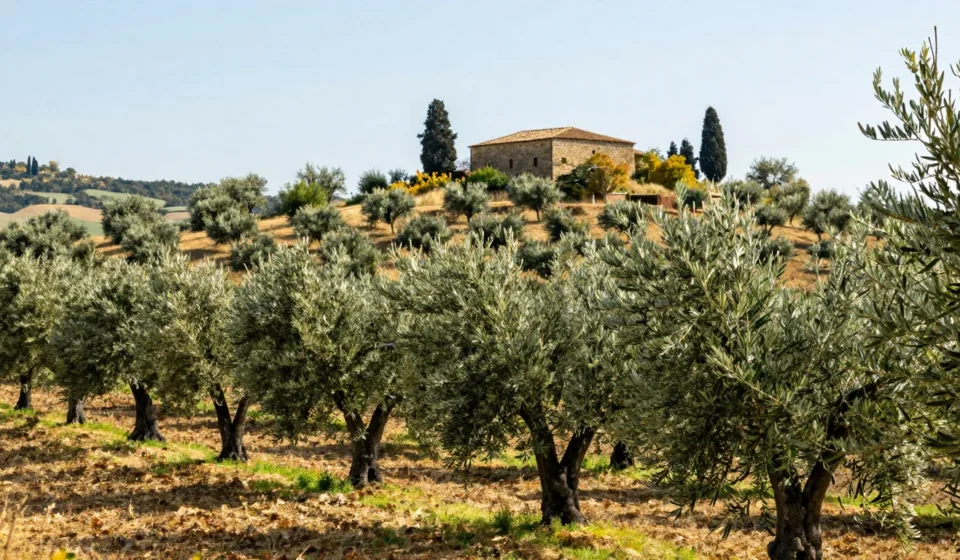
Tuscany’s olive oils are among the world’s most celebrated. They tend to be medium-bodied with a distinct herbaceous, grassy aroma and a peppery finish that lingers on the throat—a sign of high polyphenol content.
Frantoio olives provide a fruity, slightly nutty base, while Leccino adds a delicate floral note. The region’s cool winters and limestone-rich soils concentrate flavors, making Tuscan oils ideal for drizzling over bruschetta or grilled vegetables.
Why Tuscany’s Oils Are So Pungent
The key is early harvest. Tuscan producers typically pick olives in late October when they are still green, yielding oils with intense bitterness and spiciness.
This style has become a benchmark for premium extra virgin olive oil worldwide.
Puglia: Robust Sunlight in Every Drop
In another major Italian olive oil region, Puglia produces nearly 40% of the nation’s olive oil. Here, the dominant variety is Coratina, known for its powerful, almost aggressive character—grassy, artichoke-like, with a strong peppery kick.
Pugliese oils are full-bodied and golden. They pair beautifully with robust dishes: grilled meats, hearty soups, or a simple slice of focaccia.
The region’s hot, dry climate and ancient trees (some over a thousand years old) infuse the oil with deep, earthy complexity.
Liguria: Delicate and Buttery
Along the Italian Riviera, Liguria’s terraced hillsides produce a completely different style. The Taggiasca olive, small and tender, yields oil that is light, fruity, and almost buttery in texture, with hints of almond and pine.
Ligurian oil rarely stings the throat. It is delicate, making it the perfect companion for fresh seafood, pesto, or raw vegetables.
The region’s mild maritime climate and sandy soils contribute to this gentle profile.
Sicily: Bold, Fruity, and Sun-Soaked
Sicily’s volcanic soils and intense sun create oils with remarkable depth. The Biancolilla, Nocellara del Belice, and Cerasuola olives each bring unique traits: Biancolilla is fruity and mild; Nocellara is aromatic with notes of tomato and artichoke; Cerasuola is bitter and spicy.
Sicilian oils are often used in cooking, but the finest examples are stunning raw, drizzled over grilled fish or caponata. The island’s diverse microclimates—from Mount Etna’s slopes to coastal plains—produce a wide range of flavor expressions.
Other Notable Regions: Umbria, Lazio, and Abruzzo
Umbria, neighboring Tuscany, produces oil that is similarly herbaceous but often more rustic, thanks to the Dolce Agogia and Moraiolo olives. Lazio’s oils are medium-pungent with almond finish, while Abruzzo is known for its robust, peppery oils from the Gentile di Chieti variety.
Each Italian olive oil region reflects its environment: elevation, soil composition, rainfall, and harvesting traditions. Even within a single area, oils can vary dramatically from one valley to the next.
How to Taste and Choose Italian Olive Oil
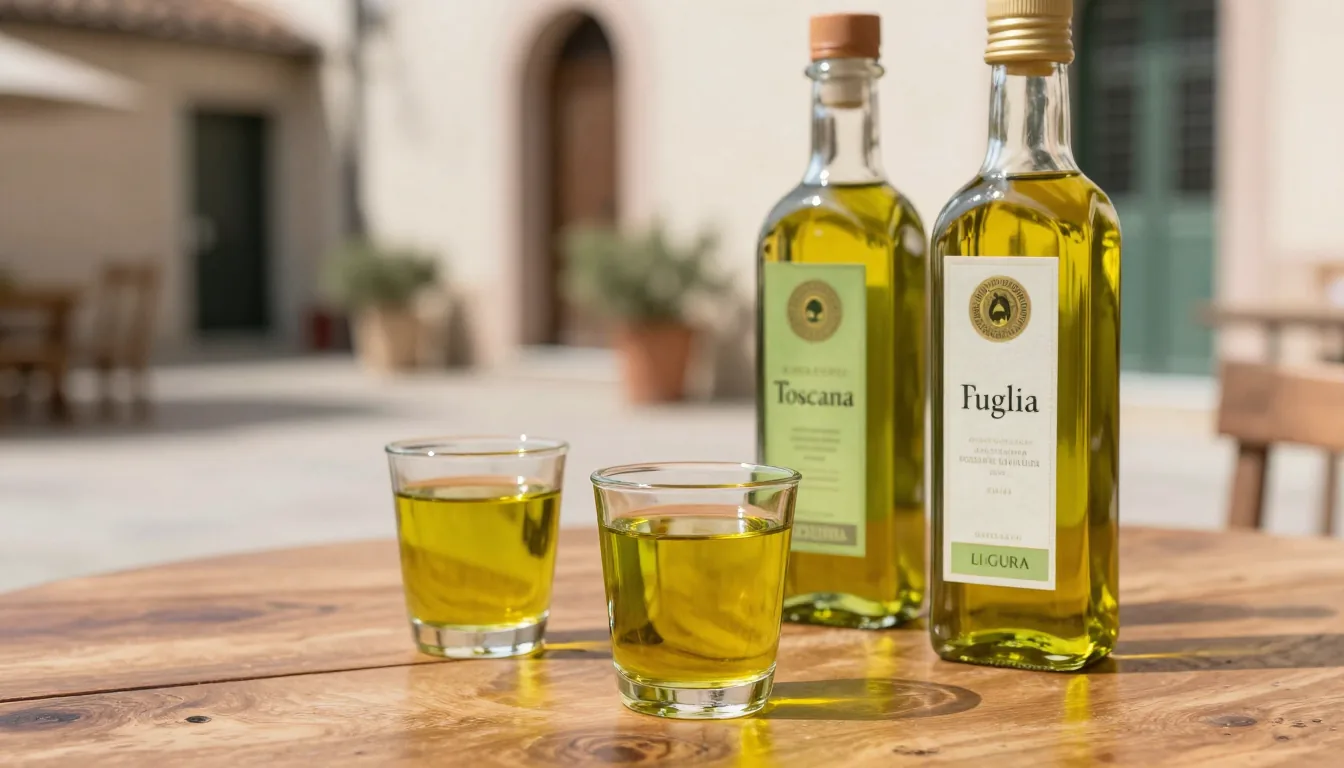
To truly appreciate Italian olive oil regions, taste with intention. Pour a small amount into a glass, cup it, warm it with your hand, then inhale.
You should smell fresh grass, tomato leaf, or almond—never cardboard or wine.
Then sip, and note the bitterness and the peppery finish that signals antioxidants. A quality extra virgin olive oil should be fruity, bitter, and pungent in balance.
When shopping, look for a harvest date (not just a “best by”), and seek DOP or IGP labels that guarantee origin. For a trusted selection, the Olive Oil Times offers regional reviews, and Italian Food Excellence provides producer stories. Read more in our Gastronomy & Food section.
Understanding why Italian olive oil regions taste different deepens every dish it touches. Let the land speak through the oil.