
Serum vs Essence: The Core Distinction
Navigating an Asian-inspired skincare routine often brings up the question of serum vs essence. Both deliver active ingredients, but their formulation, concentration, and role differ significantly. Understanding these differences helps you layer them correctly for maximum efficacy.
Essences are typically water-based, with a liquidy consistency similar to a toner. They focus on hydration and prepping the skin for subsequent products.
Serums, on the other hand, are more concentrated with specific active ingredients like vitamin C or retinol, targeting particular concerns like hyperpigmentation or fine lines.
The major distinctions between serum vs essence can be grouped into five key areas: viscosity, absorption, concentration, function, and application order. Each plays a critical role in how you should layer them.
In this guide, we break down these differences so you can make an informed choice.
Originating from Korean beauty regimens, essences are designed to boost hydration and improve skin texture. Serums have a longer history in Western skincare as targeted treatments.
Both are essential in a comprehensive routine, and the serum vs essence comparison highlights their complementary roles.
Viscosity and Absorption: Why Texture Matters
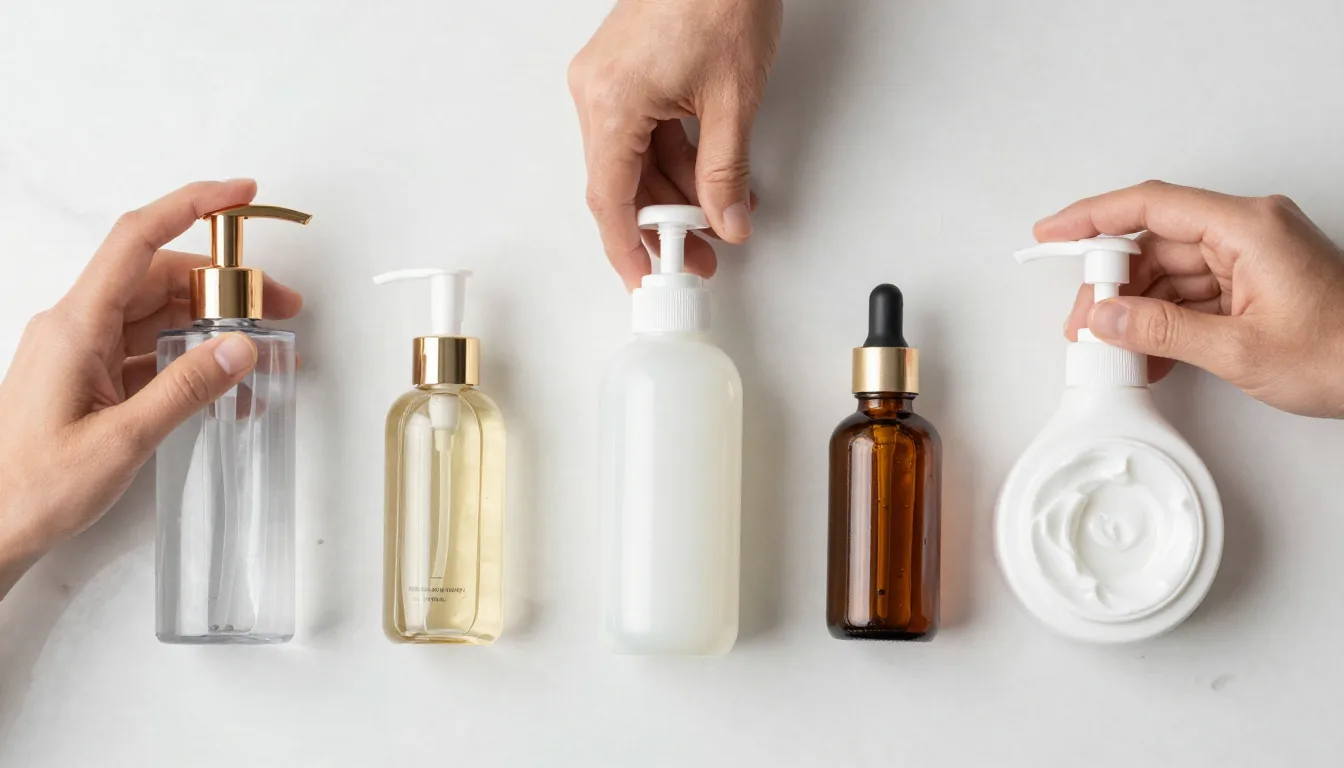
Layering skincare is all about texture hierarchy. Rule of thumb: apply products from thinnest to thickest.
Essences are lighter and absorb quickly, making them ideal for the first active step after cleansing. Serums are slightly thicker but still lighter than moisturizers.
The serum vs essence texture difference directly affects how they interact with your skin.
Because essences have a lower viscosity, they penetrate deeper and hydrate the skin cells. This primes the skin for serums, which then deliver potent ingredients without being hindered by a thick barrier.
Skipping essence can reduce serum absorption by up to 20%.
Think of the essence as the preparatory step that softens the skin, allowing serum actives to sink in more efficiently. This synergy enhances the overall effectiveness of your skincare regimen.
Concentration and Function
Essence formulations often include fermented ingredients, humectants like glycerin, and low concentrations of actives to support overall skin health. They act as a hydration booster and pH balancer.
In contrast, serums pack higher percentages of targeted compounds — for example, a 10% niacinamide serum for sebum control or a 0.3% retinoid serum for anti-aging. This functional difference means essences are part of the maintenance phase, while serums are the heavy lifters for specific goals.
When deciding between serum vs essence, consider your primary concern.
If your concern is dehydration, an essence might suffice; for wrinkles, a serum is essential. Always check the ingredient list to understand the potency of each product.
Additionally, some essences contain antioxidant-rich botanicals for added protection.
For instance, many hyaluronic acid serums come in low molecular weight formulas for deeper penetration, while essences use larger molecule sizes to plump the skin’s surface. Understanding these nuances prevents ingredient waste.
Why the Correct Order Matters
Applying products in the right sequence ensures that each layer can perform its intended function. When you apply a serum before an essence, the serum's larger molecules may block the essence from penetrating.
The serum vs essence order is crucial for efficacy.
Proper layering also maximizes the benefits of your most expensive products. Since serums often cost more per ounce, you want them to absorb completely.
The essence provides a hydrated canvas for optimal serum uptake.
Even dermatologists recommend starting with the thinnest product. Following this order maximizes the bioavailability of active ingredients and prevents pilling.
For example, applying a vitamin C serum after an essence can significantly improve its antioxidant activity. The hydration from the essence helps vitamin C penetrate more effectively without causing irritation.
When to Use Each: Timing and Order
The optimal layering sequence is: cleanser → (exfoliant if needed) → essence → serum → moisturizer → sunscreen (AM). Essence goes first because its watery texture allows rapid penetration.
Wait 30–60 seconds between essence and serum to let the skin absorb.
If you use both, do not skip the essence thinking it’s redundant. Using essence before serum can increase serum efficacy by hydrating the stratum corneum.
However, if you have extremely oily skin, you might choose a serum alone and skip essence to avoid over-layering. Every routine should weigh the benefits of serum vs essence based on skin needs.
If you use multiple serums, apply them in order of their consistency. Water-based serums go first, then oil-based ones.
Skin Type Considerations
For dry or dehydrated skin, an essence is almost mandatory to restore moisture levels before applying active serums. Oily or acne-prone skin may benefit from a lightweight, oil-control serum without an essence, though a hydrating essence can still help balance sebum.
Common Mistakes to Avoid
One frequent error is applying serum before essence — this blocks essence absorption due to the serum’s larger molecule size. Another is using two essences or two serums without adjusting texture.
Stick to one essence and one active serum per routine to prevent ingredient overload. Mastering serum vs essence usage avoids these pitfalls.
Also, avoid applying essence on dry skin. Mist your face lightly with water or a hydrating toner first, as damp skin absorbs essences better.
For serums, avoid excessive layering; two serums maximum is the general rule to prevent irritation.
Incorporating both products thoughtfully can elevate your skincare results. Understanding the serum vs essence differences empowers you to customize your routine for maximum benefit.
Whether you have dry, oily, or combination skin, tailoring your serum vs essence routine can transform your complexion. For further reading on building a routine, explore our Beauty & Skincare guide.
Additionally, studies from PubMed confirm that proper hydration pre-serum boosts ingredient penetration by up to 30%. Another reliable source is Healthline for skincare sequencing tips.